Skip to content

Black Friday +8 free tablets with every order Nov 19 – Dec 2

Antabuse (disulfiram)

Antabuse (disulfiram)

Active ingredient: Disulfiram

3.5 3 reviews In stock Overview
Dosage
Package
Package

$42.64

$75.81 $85.28 Save 11%

$101.87 $127.92 Save 20%

$125.56 $170.56 Save 26%

$175.31 $255.84 Save 31%

$52.12

$86.47 $104.24 Save 17%

$113.71 $156.36 Save 27%

$142.14 $208.48 Save 32%

$196.63 $312.72 Save 37%

Black Friday +8 free tablets with every order until Dec 2

Delivery: 4-7 business days

Antabuse (disulfiram) blocks the enzyme that clears acetaldehyde after alcohol is broken down. It is prescribed for adults with alcohol use disorder who are working toward abstinence. The resulting disulfiram-alcohol reaction creates a powerful physical deterrent to drinking.

Overview

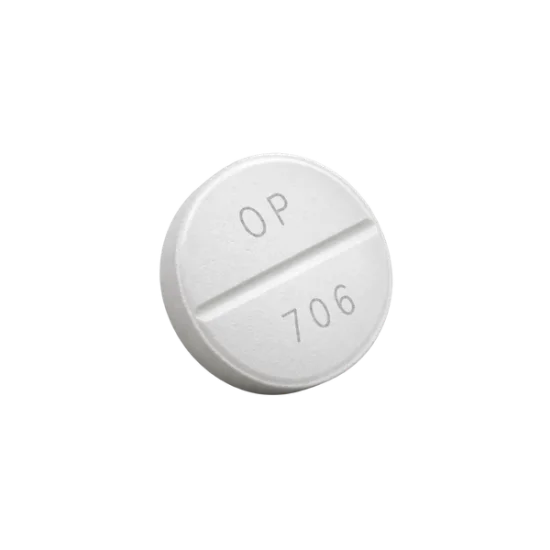
Antabuse contains disulfiram, an aldehyde dehydrogenase inhibitor used in the treatment of alcohol dependence. It is prescribed for adults with alcohol use disorder who are working toward abstinence.

Dosage and administration

The amount and frequency of Antabuse use depend on the purpose of treatment and are agreed with a doctor or pharmacist. Disulfiram is taken by mouth, and the prescribed schedule should be followed consistently rather than adjusted after a difficult day or an alcohol craving.

Key administration principles include:

  • Take the prescribed dose at the scheduled time.
  • Avoid all alcoholic drinks and alcohol-containing products.
  • Do not double the next dose after a missed dose.
  • If a dose is missed, use the plan provided by the prescriber rather than taking extra tablets.
  • Never give disulfiram to another person.
  • Continue alcohol avoidance after stopping because sensitivity can persist.

The medicine should be part of an abstinence plan, not a way to make drinking safer. A person who has recently consumed a large amount of alcohol may need withdrawal assessment before starting treatment.

Tell every clinician and dentist that you use disulfiram before receiving liquid medicines, procedures, or new prescriptions. Alcohol can appear as an inactive ingredient even when the medicine is unrelated to alcohol use disorder.

Formulation

Antabuse contains disulfiram, an aldehyde dehydrogenase inhibitor used in the treatment of alcohol dependence. It is taken by mouth.

How it affects the body

Alcohol is first converted into acetaldehyde and then into acetic acid. Disulfiram interrupts the second step, so acetaldehyde accumulates in the bloodstream when alcohol is consumed. This produces flushing, nausea, vomiting, headache, rapid heartbeat, and blood-pressure changes. [1] The enzyme inhibition explains the delayed risk after the final dose.

Disulfiram does not reduce alcohol cravings through the same pathway as naltrexone, and it does not restore brain signaling in the same way as acamprosate. Its clinical role is behavioral deterrence: drinking becomes physically unpleasant and may become medically dangerous.

Inhibition of Aldehyde Dehydrogenase

The enzyme block can persist after the last dose because the body needs time to produce new aldehyde dehydrogenase. Residual sensitivity to alcohol may continue for up to two weeks after disulfiram is stopped. Alcohol exposure during this period can still trigger a reaction.

The reaction is not limited to beverages. Alcohol may also occur in some sauces, desserts, liquid medicines, mouthwashes, tonics, aftershaves, and topical products. The amount absorbed through skin or food varies, so patients using disulfiram need a careful alcohol-avoidance routine.

Keep a written list of alcohol-containing products that affect your routine, including liquid medicines, cooking extracts, mouthwash, and personal-care products. This prevents accidental exposure that patients often overlook.

Therapeutic indications

It is prescribed for adults with alcohol use disorder who are working toward abstinence.

Common mistakes

Several preventable errors can reduce the benefit of Antabuse or increase the risk of a disulfiram-alcohol reaction:

  • Assuming small amounts of alcohol are harmless
  • Using alcohol-containing mouthwash or liquid medicine
  • Eating desserts, sauces, or marinades prepared with alcohol
  • Stopping the medicine and drinking without following the prescriber's plan
  • Doubling a dose after forgetting one
  • Changing the prescribed schedule after a difficult day or an alcohol craving
  • Taking another person's tablets

Avoid alcoholic drinks and alcohol-containing products consistently. If a dose is missed, follow the plan provided by the prescriber rather than taking extra tablets.

Reasons not to use it

Specific situations requiring avoidance or specialist assessment include:

  • Severe liver disease or active hepatitis
  • Significant coronary artery disease or severe heart failure
  • A history of psychosis that could worsen with treatment
  • Current use of alcohol or alcohol-containing preparations
  • Pregnancy, unless a specialist determines that treatment is appropriate
  • Breastfeeding, because disulfiram can pass into breast milk
  • Current opioid use or opioid dependence, when another alcohol-use-disorder medicine may be more suitable

Disulfiram can interact with warfarin and may increase anticoagulant effects, requiring closer monitoring. It can raise phenytoin concentrations and increase the risk of toxicity. Interactions with isoniazid may worsen neurological or psychiatric effects, while metronidazole has been associated with confusion or psychotic reactions when combined with disulfiram.

Patients should also report use of sedatives, anticonvulsants, antidepressants, diabetes medicines, and medicines that affect liver function. The interaction concern is not limited to prescription drugs; alcohol-containing supplements and liquid preparations can also trigger problems.

When this is not for you

Antabuse is prescribed for adults with alcohol use disorder who are working toward abstinence. It is not suitable for someone who plans to continue drinking or who has alcohol in the body when starting treatment. Pregnancy, breastfeeding, and other health conditions require advice from a doctor or pharmacist. Tell the healthcare professional about all medicines and products you use before starting disulfiram.

Possible side effects

Antabuse can cause adverse effects without any alcohol exposure. Common or clinically recognized effects include tiredness, drowsiness, headache, metallic or garlic-like taste, stomach upset, skin rash, and reduced sexual function. Some people also report irritability or difficulty concentrating during the early treatment period.

Disulfiram-related liver injury is the most important safety concern. Warning signs include unusual fatigue, loss of appetite, persistent nausea, abdominal pain, dark urine, pale stools, itching, or jaundice. Jaundice means yellowing of the skin or whites of the eyes and may indicate impaired liver function.

Other reported complications include:

  • Peripheral neuropathy, with tingling, burning, or weakness in the hands or feet
  • Optic neuritis or visual changes
  • Mood changes, confusion, or psychotic symptoms
  • Severe skin reactions
  • Allergic swelling or breathing difficulty
  • Sexual dysfunction or reduced libido

The FDA labeling recommends liver assessment before treatment and clinical monitoring when symptoms suggest hepatic injury. A history of heavy alcohol use can already place stress on the liver, so unexplained jaundice or dark urine should never be ignored. [2]

The first weeks can be uncomfortable for some patients. Drowsiness may affect driving, work at height, or machinery operation. Taste changes can make food and drinks seem unpleasant, while nausea may improve when the medicine is taken with food if the prescribed instructions permit it.

Record the date of any new symptom and whether it is worsening. A short timeline helps distinguish a transient taste change from a progressive liver or nerve problem.

Comparison

Disulfiram, naltrexone, and acamprosate have different clinical goals. Choosing among them depends on the treatment target, liver and kidney function, opioid exposure, adherence pattern, and the person’s plan for abstinence.

Medicine or approach Main pharmacological strategy Practical clinical focus
Disulfiram Blocks aldehyde dehydrogenase Deterrence from drinking through an unpleasant reaction
Naltrexone, including Vivitrol Blocks opioid receptors Reduces alcohol reward and may reduce heavy-drinking days
Acamprosate Modulates glutamate and GABA balance Helps maintain abstinence after alcohol cessation

Disulfiram fits a patient who understands the reaction, accepts complete alcohol avoidance, and can take doses consistently. Supervised dosing may improve adherence because the medicine works only when it is taken. It does not remove the desire to drink, and it offers no protection against withdrawal.

Naltrexone may be preferable when reducing alcohol reward is the main goal, but it cannot be used with current opioid treatment and requires liver-related assessment. Acamprosate is aimed at maintaining abstinence and is cleared through the kidneys, so kidney impairment affects its suitability. Vivitrol is an extended-release naltrexone formulation rather than a form of disulfiram.

The American Psychiatric Association and the National Institute on Alcohol Abuse and Alcoholism describe medication as one part of alcohol use disorder care, alongside counseling, recovery planning, and support for relapse prevention. [3]

What doctors say

In clinical practice, doctors often describe disulfiram as a commitment-based treatment. It works best when the person understands the alcohol reaction, has a clear abstinence goal, and has a reliable system for taking each dose.

A physician will usually assess liver history, cardiovascular status, psychiatric symptoms, opioid exposure, and recent alcohol intake before treatment. Follow-up may include symptom review and liver testing when clinically indicated. The medication should not be presented as a cure for alcoholism; it is one tool within treatment for alcohol use disorder.

The main advantage is its direct deterrent effect. The main limitation is that it depends heavily on adherence and complete alcohol avoidance. A person who frequently misses doses may receive little protection from the intended strategy, while someone who drinks despite taking it can face a severe reaction.

The World Health Organization supports integrated care for alcohol use disorder, combining psychosocial interventions with suitable pharmacological treatment rather than relying on a tablet alone. [4]

Common questions

Can people under 18 use Antabuse?

Use in people under 18 requires specialist assessment because evidence and prescribing considerations differ from adult treatment. A clinician must consider physical development, alcohol exposure, mental health, family support, and the risk of accidental alcohol ingestion. The FDA labeling reviewed in 2009 does not establish routine pediatric use as it does for adult treatment.

Is Antabuse suitable during pregnancy or breastfeeding?

Disulfiram is not automatically suitable during pregnancy or breastfeeding. Treatment requires an individualized assessment of alcohol-related risk, liver health, and safer alternatives, with attention to the potential for exposure through breast milk. FDA labeling reviewed in 2009 advises caution because adequate pregnancy and lactation safety information is limited.

Which symptoms mean that Antabuse should be stopped and assessed urgently?

Urgent assessment is needed for yellow skin or eyes, dark urine, severe abdominal pain, persistent vomiting, confusion, fainting, breathing difficulty, chest pain, or a severe rash. These symptoms can indicate liver injury, a serious allergic reaction, or a severe disulfiram-alcohol reaction. The FDA labeling reviewed in 2009 identifies hepatic and cardiovascular complications as significant safety concerns.

What happens after stopping Antabuse, and does it need to be tapered?

Disulfiram does not usually require a gradual taper because it is not an opioid, benzodiazepine, or corticosteroid. The key issue after stopping is continued alcohol sensitivity, which may last up to two weeks. The FDA labeling reviewed in 2009 warns that alcohol reactions can occur after treatment ends because aldehyde dehydrogenase activity does not return immediately.

How long does a course last, and is long-term use acceptable?

Treatment length is individualized and may extend for months when the medicine is tolerated, alcohol is avoided, and the treatment plan includes monitoring. Long-term use requires continued review of liver symptoms, adherence, alcohol exposure, and the person’s recovery goals. The World Health Organization guidance published in 2019 supports ongoing, individualized management of alcohol use disorder rather than one fixed course for every patient.

How soon does the effect of Antabuse become noticeable?

The deterrent effect begins when disulfiram has inhibited aldehyde dehydrogenase, but the medicine does not instantly remove cravings or treat withdrawal. The noticeable effect is the physical reaction after alcohol exposure, not a mood change or immediate reduction in desire to drink. The FDA labeling reviewed in 2009 describes the pharmacological basis of this reaction and its persistence after treatment.

Do you offer anonymous delivery?

Your order will be securely packed and shipped within 24 hours. This is exactly what your package will look like (images of an actual item sent). It has the size and look of a regular private letter (9.4x4.3x0.3 in.) and its contents cannot be seen.

Customer Feedback on Antabuse (disulfiram)

3.5 Based on 3 reviews
Daniel, 36 Houston Several weeks
Nov 8, 2026
Rating: 2 out of 5
I used Antabuse as part of my attempt to stop drinking. It did not help me stay consistent, and I eventually stopped because the drowsiness made workdays difficult. The experience showed me that the medicine alone was not enough for my situation.
Robert S., 59 Orlando Several months
Oct 12, 2026
Rating: 4.5 out of 5
I took Antabuse and found the deterrent effect useful. Knowing that one drink could make me very ill helped me stay away from alcohol during family events and weekends. The routine became easier after the first few weeks.
Neil A., 33 Las Vegas Several weeks
Oct 25, 2026
Rating: 4 out of 5
Antabuse gave me a clear boundary when I was trying to remain abstinent. I felt more confident attending social occasions because drinking was no longer an option I could treat casually. Keeping track of mouthwash and liquid medicines became part of my daily routine.

Sources

  1. U.S. Food and Drug Administration (2009). Disulfiram tablets prescribing information.
  2. U.S. Food and Drug Administration (2009). Antabuse (disulfiram) label.
  3. American Psychiatric Association (2018). The American Psychiatric Association Practice Guideline for the Pharmacological Treatment of Patients With Alcohol Use Disorder.
  4. World Health Organization (2019). International Standards for the Treatment of Drug Use Disorders.
Get our free app Shop faster and track your orders 4.0 · 378 reviews Install
