- Worldwide Delivery
- Quality Guaranteed
- Bonus pills
- 24/7 Support
Armodafinil 150 is taken by mouth, usually in the morning or before a scheduled night shift. It is prescribed for adults with excessive daytime sleepiness linked to narcolepsy, obstructive sleep apnea, or shift work disorder. Its active ingredient promotes wakefulness by influencing central nervous system pathways involved in alertness.
Overview
Armodafinil 150 contains armodafinil, the purified R-enantiomer of modafinil. Armodafinil is classified as a wakefulness-promoting agent, also called a eugeroic. It is used in sleep medicine rather than as a general-purpose stimulant. The FDA labeling describes its role in improving wakefulness in adults with excessive sleepiness associated with specific sleep disorders [1].
Molecular Structure and Enantiomer Characteristics
Molecules with the same chemical formula can exist as mirror-image forms called enantiomers. The body may absorb, distribute, and eliminate each enantiomer differently. Armodafinil represents the R-enantiomer of modafinil, whereas modafinil contains both R- and S-enantiomers.
Armodafinil and modafinil are related but should not be treated as automatically interchangeable on a milligram-for-milligram basis. Their clinical effects overlap, yet their concentration profiles and duration may differ between individuals.
Dosage and administration
The amount used and the frequency of administration depend on the purpose of treatment and are agreed with a doctor or pharmacist. For the conditions listed in the FDA prescribing information, administration is generally scheduled in the morning for narcolepsy or obstructive sleep apnea and before the work shift for shift work disorder, according to the patient’s sleep schedule and prescribing instructions.
Administration principles include:
- Take Armodafinil 150 by mouth at the prescribed time.
- Use morning dosing for daytime sleepiness related to narcolepsy or obstructive sleep apnea.
- Use pre-shift dosing for shift work disorder when directed.
- Swallow the oral dose with water.
- Avoid taking it close to the intended sleep period.
- Do not take an extra dose to compensate for a missed dose.
- If a dose is forgotten, take it only when sufficient waking time remains; otherwise, skip it and resume the next planned dose.
Food may delay the time at which armodafinil reaches peak concentration, although it does not substantially reduce total exposure. A heavy breakfast can make the onset feel less predictable, which matters when the timing of alertness is important.
The prescribed amount should not be increased without medical direction. Increasing the amount can increase headache, nausea, anxiety, palpitations, and sleep disruption without producing a proportional improvement in alertness.
Formulation
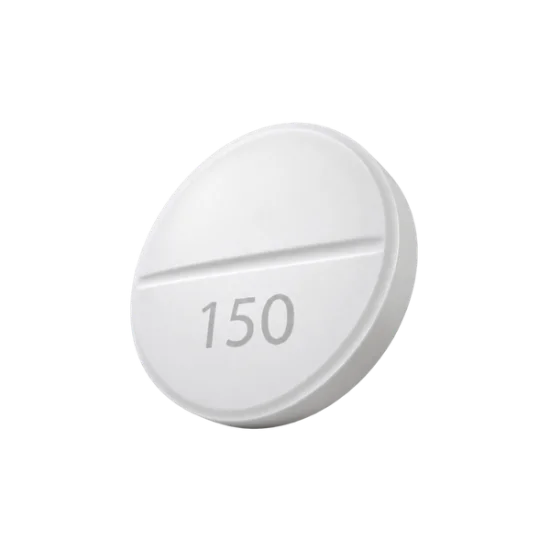
Armodafinil 150 refers to an oral armodafinil product. The pharmacological effect comes from armodafinil itself.
Related presentations may differ in tablet appearance, inactive ingredients, manufacturing specifications, and release characteristics. Those differences can matter to people with allergies, intolerances, or a history of sensitivity to excipients.
Active Ingredient and Drug Class
- Active ingredient: armodafinil
- Drug class: wakefulness-promoting agent
- Route: oral
- Primary clinical role: treatment of excessive daytime sleepiness linked to narcolepsy, obstructive sleep apnea, or shift work disorder
The amount used and the frequency of administration depend on the purpose of treatment and are agreed with a doctor or pharmacist. Armodafinil 150 is not a conventional caffeine product. It acts through prescription pharmacology and can interact with other medicines, hormonal contraception, and substances that affect the central nervous system.
How it affects the body
Armodafinil increases wakefulness through several central nervous system pathways. Its best-established pharmacological action involves inhibition of the dopamine transporter, which reduces dopamine reuptake and raises dopamine signaling in selected brain regions. It also affects brain systems involving orexin, histamine, norepinephrine, glutamate, and gamma-aminobutyric acid.
The result is greater alertness without the same broad sympathomimetic profile associated with classic amphetamine stimulants. Armodafinil can still cause nervousness, faster heartbeat, anxiety, or insomnia, so its wake-promoting action should not be mistaken for unlimited mental energy. Responses vary between patients. Sleep quality remains relevant. Monitoring helps guide treatment.
Therapeutic indications
Armodafinil 150 is prescribed for excessive daytime sleepiness associated with three established conditions:
- Obstructive sleep apnea, when daytime sleepiness continues despite appropriate treatment of the airway obstruction.
- Narcolepsy, a neurological sleep disorder involving excessive sleepiness and abnormal sleep-wake regulation.
- Shift work disorder, when overnight or rotating work schedules cause clinically significant sleepiness or difficulty sleeping at the desired time.
The drug improves wakefulness. It does not correct airway obstruction, replace continuous positive airway pressure, eliminate narcolepsy, or permanently reset a disrupted sleep schedule.
For obstructive sleep apnea, airway treatment remains central. A person using continuous positive airway pressure may still require treatment for residual daytime sleepiness, but armodafinil does not substitute for addressing repeated nighttime breathing interruptions. The American Academy of Sleep Medicine supports medication-based management within an appropriate sleep-disorder treatment plan [2]. The European Medicines Agency (EMA), the National Institute for Health and Care Excellence (NICE), and the Medicines and Healthcare products Regulatory Agency (MHRA) provide additional regulatory and clinical reference points.
Armodafinil may also be used outside these approved indications in some clinical settings. Such use requires an individual assessment because evidence, dosing, and monitoring requirements differ by condition.
Common mistakes
Several habits reduce the benefit or increase the risk of Armodafinil 150:
- Taking it late because the morning dose was forgotten.
- Repeating a dose after deciding that the first dose was not working quickly enough.
- Using it to extend work or study despite severe sleep deprivation.
- Stopping airway therapy after daytime alertness improves.
- Combining it with high amounts of caffeine or another stimulant.
- Ignoring a new rash, chest pain, severe anxiety, or unusual behavior.
- Forgetting to mention hormonal contraception.
- Assuming that feeling awake means reaction time and judgment are fully restored.
- Taking it irregularly while expecting a predictable sleep schedule.
- Sharing the medicine with another person who reports similar sleepiness.
A common misunderstanding is that a stronger stimulant effect means better treatment. Excess stimulation can impair sleep, and poor sleep can worsen daytime symptoms the following day.
Another practical error is changing the administration time on weekends. A large shift in timing can make Monday morning sleepiness and Sunday night insomnia more likely.
Reasons not to use it
Armodafinil 150 is not suitable for everyone. The prescribing decision requires attention to psychiatric history, cardiovascular health, liver function, pregnancy, contraception, and other medicines.
Armodafinil induces CYP3A4 and can lower exposure to medicines metabolized through that pathway. It also inhibits CYP2C19, which may increase exposure to some medicines. The FDA label warns that hormonal contraceptives may become less reliable during armodafinil treatment and for a period after stopping it .
Potential interaction groups include:
- Hormonal contraceptives.
- Certain benzodiazepines and other CYP2C19 substrates.
- Some antiseizure medicines.
- Warfarin and other medicines requiring laboratory monitoring.
- Certain antidepressants and antipsychotics.
- Cyclosporine and other CYP3A4-sensitive medicines.
- Central nervous system stimulants.
- Alcohol and substances that increase anxiety, insomnia, or impaired judgment.
Modafinil has related enzyme effects, but the interaction profile is not identical. Do not combine armodafinil with modafinil, stimulant medicines, or wakefulness products without a specific prescribing plan.
When this is not for you
- You previously developed a serious hypersensitivity reaction to armodafinil or modafinil.
- You have had a severe rash or allergic reaction linked to either medicine.
- You have uncontrolled hypertension or a significant untreated heart rhythm problem.
- You have active mania, psychosis, or severe psychiatric instability without appropriate management.
- You are taking medicines that create a clinically significant interaction.
- You are pregnant or planning pregnancy without a specific risk-benefit assessment.
Hormonal contraceptive users should discuss a non-hormonal or additional contraceptive method. This applies to oral contraceptive pills, implants, patches, rings, and some injectable methods.
Possible side effects
The most frequently reported adverse reactions include headache, nausea, dizziness, insomnia, dry mouth, reduced appetite, and anxiety. These effects may appear after starting treatment or after a dose is taken too late in the day.
Common reactions can be managed by taking the dose at the prescribed time, maintaining regular sleep hours, drinking enough water, and avoiding additional stimulants. Persistent symptoms may require a change in timing or treatment.
A patient may feel awake while still being cognitively impaired from sleep deprivation. Armodafinil can promote wakefulness, but it cannot fully replace restorative sleep.
Common Practical Concerns
- Headache: often appears early and may improve with continued treatment.
- Nausea: may be reduced by taking the dose with a light meal if permitted by the prescribing instructions.
- Insomnia: usually relates to late dosing, excessive stimulation, or an untreated sleep problem.
- Anxiety or irritability: may indicate that the dose or treatment strategy needs review.
- Dry mouth: regular water intake and oral hygiene may help.
- Dizziness: avoid driving or hazardous work until the effect is understood.
Rare but serious reactions include severe skin rash, blistering, peeling skin, mouth sores, facial swelling, breathing difficulty, chest pain, hallucinations, mania, suicidal thoughts, or signs of a serious allergic reaction. Stop further doses and obtain urgent medical care if a widespread rash occurs with fever, facial swelling, mucosal sores, or skin peeling.
Armodafinil may also raise blood pressure or heart rate. People with cardiovascular disease, uncontrolled hypertension, arrhythmia, or a history of chest pain need targeted medical assessment before treatment.

Comparison
| Treatment approach | Main role | Key limitation |
|---|---|---|
| Armodafinil | Promotes wakefulness in selected sleep disorders | Does not treat airway obstruction or replace adequate sleep |
| Modafinil | Promotes wakefulness through a related mechanism | May have a different duration and interaction profile |
| Traditional stimulants | Increase central nervous system stimulation | Can produce more pronounced cardiovascular or psychiatric effects |
Modafinil and armodafinil are the closest pharmacological comparators. Armodafinil contains the R-enantiomer, while modafinil contains both R- and S-enantiomers. The choice depends on clinical response, duration, adverse effects, interaction risks, and the patient’s sleep schedule.
Traditional stimulants may be considered in selected situations, but their adverse-effect profiles differ. A person with anxiety, hypertension, arrhythmia, substance-use risk, or a history of stimulant-related insomnia may require a different approach.
What doctors say
In sleep-medicine practice, doctors usually set a practical target: reliable wakefulness during the patient’s required waking period, without sacrificing the next sleep episode. Alertness alone is not enough if the person develops insomnia, anxiety, or unsafe risk-taking.
A physician will also look for the cause of persistent sleepiness. Poor adherence to airway therapy, insufficient sleep, alcohol, sedating medicines, depression, thyroid disease, and untreated restless legs syndrome can all contribute.
Armodafinil should not be used as permission to drive while severely sleep-deprived. The FDA and sleep specialists describe it as a treatment for excessive sleepiness, not a substitute for adequate sleep or a guarantee of safe performance.
One useful clinical distinction is between sleepiness and fatigue. Sleepiness is a tendency to fall asleep. Fatigue is low energy or reduced motivation without necessarily falling asleep. Armodafinil is intended primarily for excessive sleepiness caused by qualifying sleep disorders.
Common questions
Is Armodafinil 150 suitable for older adults?
Older adults may be more sensitive to blood pressure changes, dizziness, insomnia, and medicine interactions. FDA prescribing information from 2007 advises attention to reduced clearance and medical comorbidities when treating older patients with armodafinil. A clinician should review kidney and liver function, cardiovascular history, sleep pattern, and all concurrent medicines before choosing the regimen.
What should be discussed with a doctor before starting Armodafinil 150?
Discuss heart disease, high blood pressure, psychiatric illness, previous drug rashes, liver problems, pregnancy, and contraceptive use. The FDA label from 2007 also supports reviewing all prescription medicines, over-the-counter products, and supplements because armodafinil affects hepatic drug-metabolizing enzymes. Include caffeine, energy products, antidepressants, antiseizure medicines, and sleep aids in that discussion.
How long can one dose keep working?
A single dose can support wakefulness across much of the intended waking period, although the duration varies with metabolism, sleep debt, medical conditions, and other medicines. FDA information from 2007 describes armodafinil as a long-acting wakefulness-promoting treatment rather than a short burst stimulant. Residual insomnia later in the day usually signals that timing, sleep opportunity, or the treatment plan needs review.
Can Armodafinil 150 be combined with other medicines or supplements?
Combination treatment requires review because armodafinil changes CYP3A4 and CYP2C19 activity. FDA labeling from 2007 identifies clinically meaningful interaction potential with hormonal contraceptives, some sedatives, antiseizure medicines, and other centrally acting treatments. Avoid adding stimulant supplements, high-caffeine products, or another wakefulness medicine without a specific plan.
How soon can the effect become noticeable?
Some people notice greater alertness within a few hours, while others need several treatment days to judge daytime functioning. The American Academy of Sleep Medicine guideline published in 2021 emphasizes assessing treatment in the context of the underlying sleep disorder and adequate sleep opportunity. A quick stimulant sensation is not the same as sustained improvement in clinically significant sleepiness.
Can a person drive, concentrate, or operate machinery while taking it?
Armodafinil may improve wakefulness, but it does not guarantee unimpaired driving or machinery operation. FDA safety information from 2007 advises caution until the individual response is known, especially during the first doses or after a timing change. Do not drive if sleepiness, dizziness, blurred vision, anxiety, or poor judgment remains present.
What should happen if the expected result does not occur?
Persistent sleepiness requires reassessment rather than automatic dose escalation. The FDA modafinil prescribing information from 2015 describes the need to evaluate the underlying sleep disorder, adherence to treatment, sleep duration, and interacting medicines. A doctor may investigate untreated apnea, insufficient sleep, medication-related sedation, depression, circadian problems, or another medical cause.
Do you offer anonymous delivery?
Your order will be securely packed and shipped within 24 hours. This is exactly what your package will look like (images of an actual item sent). It has the size and look of a regular private letter (9.4x4.3x0.3 in.) and its contents cannot be seen.
Customer Feedback on Armodafinil 150
Sources
- U.S. Food and Drug Administration (2007). NUVIGIL (armodafinil) tablets, prescribing information.
- American Academy of Sleep Medicine (2021). Clinical Practice Guideline for the Treatment of Central Disorders of Hypersomnolence.