Skip to content

Black Friday +8 free tablets with every order Nov 19 – Dec 2

Asthalin Inhaler

Asthalin Inhaler

Active ingredient: Albuterol

3.8 5 reviews In stock Overview
Package

$33.17

$91.21 $99.51 Save 8%

$169.38 $199.02 Save 15%

Black Friday +8 free tablets with every order until Dec 2

Delivery: 4-7 business days

By relaxing tightened airway muscles, Asthalin Inhaler helps air move more freely during sudden asthma symptoms. Breathing may feel easier. It contains salbutamol, also called albuterol, for people who need rapid relief from wheezing, chest tightness, or shortness of breath.

Overview

It contains salbutamol, also called albuterol, for people who need rapid relief from wheezing, chest tightness, or shortness of breath.

Salbutamol is a short-acting beta-2 agonist bronchodilator, meaning it widens narrowed airways by relaxing bronchial smooth muscle.

Dosage and administration

Good inhaler technique determines how much salbutamol reaches the lungs. Even an appropriate prescribed amount may work poorly when the canister is not coordinated with the breath.

Use Asthalin Inhaler with this sequence:

  1. Remove the mouthpiece cap and inspect the mouthpiece for visible debris.
  2. Shake the inhaler well before each actuation.
  3. Breathe out fully, away from the mouthpiece.
  4. Seal your lips around the mouthpiece and begin breathing in slowly.
  5. Press the canister once as the slow breath begins.
  6. Continue inhaling deeply, then hold the breath for up to about ten seconds if comfortable.
  7. Breathe out gently. If another actuation is prescribed, wait briefly and repeat the sequence.

A spacer can make coordination easier, especially for children, older adults, and anyone who struggles to press and inhale at the same time. It slows the aerosol cloud and reduces medicine deposition in the mouth.

The commonest technique error is pressing first and inhaling afterward. Start the slow breath first, then press the canister once; that timing changes where the medicine lands.

The plastic mouthpiece should remain clean and dry. Moisture or residue around the spray opening can interfere with aerosol flow. Do not pierce the canister or expose it to high heat because pressurized inhalers can be damaged by heat.

The amount per use is set individually according to age, diagnosis, symptom pattern, and the prescriber’s asthma plan. Asthalin Inhaler is inhaled into the lungs for rapid symptom relief or prevention of predictable exercise-induced bronchospasm.

For acute symptoms, use the prescribed amount at the first signs of wheeze, chest tightness, or breathlessness. For exercise-related symptoms, the prescribed amount is used shortly before activity when prevention is part of the treatment plan. A second use may be advised in an individualized action plan when symptoms persist.

Repeated rescue use should not become routine. If Asthalin Inhaler is needed on more than two days a week for symptoms unrelated to exercise, or if relief is becoming shorter, asthma control may be deteriorating. The World Health Organization describes asthma as a chronic inflammatory airway disease that can be controlled with appropriate treatment and regular reassessment. [3]

Keep a simple note of rescue-inhaler days rather than trying to remember at the end of the month. A rising pattern is more useful to a clinician than a vague impression that breathing has been worse.

Formulation

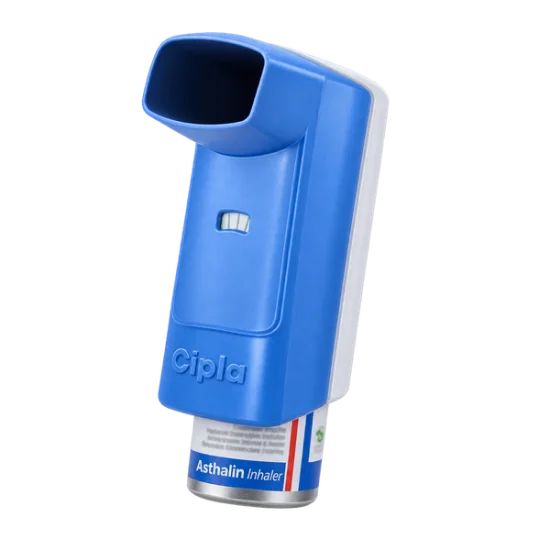
Asthalin Inhaler contains salbutamol, the international name for albuterol. Salbutamol is a short-acting beta-2 agonist bronchodilator, meaning it widens narrowed airways by relaxing bronchial smooth muscle. It is a rescue inhaler for sudden symptoms, not a daily anti-inflammatory controller.

A metered-dose inhaler releases a measured aerosol dose when the canister is pressed. The medicine travels directly into the lungs, which explains its rapid effect compared with oral bronchodilators. The FDA identifies albuterol inhalation aerosol as a treatment for reversible bronchospasm and prevention of exercise-induced bronchospasm. [1]

A rescue inhaler should be easy to reach during exercise, commuting, or nighttime symptoms. Keeping it at the bottom of a crowded bag can delay relief when every minute feels longer.

Asthalin Inhaler does not remove the airway inflammation that drives persistent asthma. People with frequent symptoms may also need a controller treatment, such as an inhaled corticosteroid, to reduce flare-ups and protect lung function over time. The National Institute for Health and Care Excellence (NICE) also supports reviewing controller treatment when symptoms remain frequent.

How it affects the body

At the cellular level, beta-2 receptor stimulation activates adenyl cyclase and increases cyclic AMP inside smooth-muscle cells. Cyclic AMP reduces the muscle contraction responsible for bronchospasm. This is why salbutamol is called a bronchodilator rather than an anti-inflammatory medicine.

If a puff seems to stay in the mouth or hits the back of the throat, the inhalation was probably too fast. A slow, deep breath gives the aerosol more time to reach the lungs.

Fine hand tremor and a brief faster heartbeat can occur because beta-2 stimulation also affects skeletal muscle and the cardiovascular system. These effects are pharmacological and do not automatically mean an allergy.

Therapeutic indications

Asthalin Inhaler is used for bronchospasm linked with asthma and may be used before exertion when exercise predictably triggers airway narrowing. Bronchospasm is the squeezing of muscles around the bronchial tubes, leaving less room for air to pass.

Symptoms that often respond to salbutamol include:

  • Wheezing or whistling while breathing
  • Chest tightness
  • Sudden breathlessness
  • Coughing caused by airway narrowing
  • Breathing difficulty during or soon after exercise

The relief can be rapid, but a rescue inhaler is not a measure of full asthma control. Needing it often outside planned exercise can signal ongoing airway inflammation or an asthma plan that needs review. The Global Initiative for Asthma advises against relying on short-acting bronchodilators alone for ongoing asthma management because anti-inflammatory treatment reduces exacerbation risk. [2]

Treatment role Main purpose Expected effect
Rescue bronchodilator Sudden wheeze, tight chest, breathlessness Opens airways quickly
Controller treatment Frequent symptoms and flare-up prevention Reduces airway inflammation
Exercise prevention Predictable exercise-related bronchospasm Helps prevent airway narrowing

A rescue inhaler can ease symptoms, yet it does not treat every cause of shortness of breath. Sudden severe breathing difficulty, blue lips, fainting, confusion, or poor response to the usual rescue plan needs urgent medical assessment.

Common mistakes

Several practical errors can make Asthalin Inhaler appear less helpful than it should be.

  • Using it as the only asthma treatment despite frequent symptoms
  • Skipping the shake before use
  • Inhaling quickly instead of slowly and deeply
  • Pressing the canister before breathing in
  • Forgetting to breathe out before placing the mouthpiece in the mouth
  • Using repeated actuations without allowing time to assess response
  • Leaving the mouthpiece dirty or damp
  • Ignoring a rising need for symptom relief

A rescue inhaler that seems to stop working may be signaling worsening asthma rather than medication tolerance. Do not keep escalating use during a severe attack without following an urgent-care plan.

Reasons not to use it

Asthalin Inhaler is not for you if you have had a serious hypersensitivity reaction to salbutamol or a component of the inhaler.

Asthalin Inhaler is not for you if you have a known severe allergy to salbutamol or if previous use caused paradoxical bronchospasm. Extra caution is needed with coronary artery disease, heart rhythm disorders, uncontrolled high blood pressure, hyperthyroidism, diabetes, seizure disorders, or low potassium levels.

Non-selective beta-blockers, including propranolol, can block the bronchodilating effect of salbutamol and may provoke bronchospasm. Medicines that stimulate the heart, certain diuretics, systemic corticosteroids, and digoxin may also require closer clinical review because salbutamol can affect heart rate and potassium balance. The FDA prescribing information describes cardiovascular effects, hypokalemia, and paradoxical bronchospasm as clinically relevant precautions. [4]

When this is not for you

Asthalin Inhaler is not for you if you have had a serious hypersensitivity reaction to salbutamol or a component of the inhaler. Do not increase the frequency on your own to compensate for worsening asthma symptoms.

People with heart disease, heart rhythm disorders, uncontrolled high blood pressure, hyperthyroidism, diabetes, seizure disorders, or low potassium levels should seek medical advice before use. Tell a clinician if you take propranolol or another non-selective beta-blocker, medicines that stimulate the heart, certain diuretics, systemic corticosteroids, or digoxin.

Possible side effects

Most people tolerate inhaled salbutamol well when using the prescribed amount. The most common reactions are usually short-lived and reflect beta-adrenergic stimulation rather than lung injury.

Common effects can include:

  • Fine shaking of the hands
  • Feeling jittery or restless
  • Headache
  • Faster heartbeat
  • Awareness of heartbeat or palpitations
  • Throat irritation
  • Muscle cramps

Hand tremor often settles within an hour. A mild increase in pulse can also settle as the dose wears off. Persistent, severe, or distressing palpitations need medical assessment, especially in people with heart disease.

Serious reactions are uncommon but require prompt attention. These include chest pain, a marked irregular heartbeat, severe dizziness, allergic swelling, or breathing that worsens immediately after using the inhaler. Worsening wheeze directly after inhalation may indicate paradoxical bronchospasm.

Comparison

Asthalin Inhaler and other salbutamol inhalers work through the same beta-2 receptor pathway when they contain the same active substance. Differences between inhalers may involve the device, aerosol plume, mouthfeel, or whether a spacer is used, rather than a different therapeutic mechanism.

Option Active substance and action Practical distinction
Asthalin Inhaler Salbutamol; short-acting beta-2 bronchodilation Metered-dose rescue inhaler
Other salbutamol inhalers Salbutamol; same bronchodilator mechanism Device feel and spray characteristics may differ
Inhaled corticosteroid controller Reduces airway inflammation over time Not for immediate relief of sudden bronchospasm

A controller inhaler and a rescue inhaler have different jobs. Salbutamol relieves the muscular tightening of the airways quickly. Inhaled corticosteroids work more gradually to lower airway inflammation and reduce future attacks.

Some people notice a different taste or spray force when changing inhaler devices. That does not necessarily mean the medicine is weaker. Technique should be reviewed after any device change, since a different actuator shape or spray pattern can affect coordination.

What doctors say

In clinical practice, doctors treat a rescue inhaler as both a symptom-relief tool and a marker of asthma control. A person who needs occasional salbutamol before a known trigger may have a different treatment need from someone waking with wheeze or reaching for the inhaler repeatedly through the day.

The key expectation is rapid relief, not permanent control of asthma. Frequent symptoms, nighttime awakening, activity limitation, or declining response to Asthalin Inhaler can point to untreated inflammation, incorrect inhaler technique, an infection, allergen exposure, or another respiratory problem.

Clinicians often ask patients to demonstrate their technique. This simple step can reveal breath timing errors that no dose adjustment will fix.

Common questions

Can alcohol be used during treatment?

Alcohol does not directly block salbutamol’s airway-opening action. Still, alcohol can worsen sleep, dehydration, reflux, and awareness of palpitations, all of which can complicate asthma symptoms for some people. The FDA's 2023 labeling has not identified a routine direct alcohol restriction for inhaled albuterol, though people who experience tremor or a fast heartbeat may find alcohol makes those sensations less comfortable. Keep alcohol away from any situation where breathing is already unstable.

How long does the effect last?

A salbutamol dose commonly begins helping within minutes and often provides bronchodilation for several hours. The exact duration differs between people and can be shorter during a significant asthma flare-up. The FDA’s 2023 albuterol prescribing information describes it as a short-acting bronchodilator for rapid relief rather than day-long symptom prevention. If the benefit repeatedly fades quickly, the underlying asthma plan needs review.

How is Asthalin Inhaler used in older adults?

Older adults can use Asthalin Inhaler when salbutamol is clinically appropriate. Heart rhythm problems, coronary disease, high blood pressure, diabetes, tremor, and concurrent medicines deserve closer attention because these factors can shape tolerability. WHO asthma guidance published in 2024 recognizes that chronic respiratory symptoms require individualized assessment, especially when other health conditions are present. A spacer may also make use easier for people with arthritis or reduced hand coordination.

What should be done after missed use or delayed symptoms?

Asthalin Inhaler is often used when symptoms occur or before a known trigger, so there is usually no fixed daily dose to make up later. Do not take extra inhalations solely because a planned preventive use was missed. Use the prescribed rescue plan if symptoms develop, and seek urgent help if breathlessness becomes severe or does not respond as expected. The Global Initiative for Asthma's 2025 strategy emphasizes written action plans for recognizing and responding to worsening asthma.

Can Asthalin Inhaler be used under age 18?

Salbutamol inhalers are commonly used in children and adolescents when prescribed for asthma or exercise-induced bronchoconstriction. A spacer and supervised technique are often more important than trying to make a child coordinate a fast breath with canister pressure. FDA pediatric labeling from 2023 for albuterol products sets age- and formulation-specific use parameters, so the treatment plan should match the child’s age and respiratory diagnosis. Recurrent coughing, nighttime symptoms, or frequent rescue use should be assessed rather than managed only with repeated relief doses.

What should be discussed before treatment?

Before starting Asthalin Inhaler, discuss prior reactions to bronchodilators, heart disease, rhythm disturbances, high blood pressure, thyroid disease, diabetes, seizures, and low potassium. Mention all medicines, including beta-blockers, stimulants, diuretics, digoxin, and treatments for mood disorders. Pregnancy, breastfeeding, repeated nighttime symptoms, and recent urgent asthma care also matter when setting a treatment plan. EMA pharmacovigilance materials published in 2024 on beta-agonists support individualized review when cardiovascular risks or interacting medicines are present.

Do you offer anonymous delivery?

Your order will be securely packed and shipped within 24 hours. This is exactly what your package will look like (images of an actual item sent). It has the size and look of a regular private letter (9.4x4.3x0.3 in.) and its contents cannot be seen.

Customer Feedback on Asthalin Inhaler

3.8 Based on 5 reviews
Steven, 28 Philadelphia Several months
Nov 3, 2026
Rating: 4 out of 5
I used Asthalin Inhaler before weekend basketball for several months. The chest tightness that used to start after the first hard run settled quickly, and I finished games without sitting out.
Jack R., 39 St. Louis During spring
Nov 1, 2026
Rating: 5 out of 5
I kept it with my work bag during spring when pollen made my asthma unpredictable. It helped when wheezing started during the walk from the parking lot, and the relief was fast enough that I could get through meetings comfortably.
Harry, 46 Memphis
Oct 12, 2026
Rating: 2.5 out of 5
I tried it during a period when I was short of breath most days, but the effect did not last for me. I also felt a racing heartbeat after using it, so I stopped and discussed the symptoms with my doctor.
Alan, 51 Phoenix
Nov 10, 2026
Rating: 3 out of 5
It relieved the wheeze within a few minutes, but I noticed shaky hands for about half an hour after some uses. The breathing relief was useful, though I had to pay attention to how often I needed it.
Adam, 56 Los Angeles A few weeks
Oct 24, 2026
Rating: 4.5 out of 5
I used it before early morning walks when cool air usually made my chest feel tight. After a few weeks, I could keep a steady pace without the usual coughing at the start.

Sources

  1. FDA (2023). Albuterol Sulfate HFA Inhalation Aerosol: Prescribing Information
  2. Global Initiative for Asthma (2025). Global Strategy for Asthma Management and Prevention
  3. WHO (2024). Asthma
  4. FDA (2023). Albuterol Sulfate HFA Inhalation Aerosol: Warnings and Precautions
Get our free app Shop faster and track your orders 4.0 · 378 reviews Install
