
Lisa, 28
Nov 9, 2026
Estrace gave me noticeable relief from dryness and irritation. After a few weeks, sitting, exercising, and intimacy felt more comfortable. I was pleased with the steady improvement.
Black Friday +8 free tablets with every order Nov 19 – Dec 2
It can relieve symptoms by acting on estrogen-responsive tissues throughout the body or locally in vaginal tissue. Estrace is used in post-menopausal women when estrogen deficiency causes troublesome symptoms.
Menopausal estrogen loss can cause hot flashes, night sweats, vaginal dryness, and discomfort during sex. Estrace contains estradiol, a bioidentical estrogen used in menopausal hormone therapy to replenish estrogen levels.
Estrace contains estradiol, a bioidentical estrogen used in menopausal hormone therapy. It acts on estrogen-responsive tissues, either throughout the body with systemic treatment or locally in vaginal tissue with vaginal estradiol.
Estrace contains estradiol, the principal estrogen produced by the ovaries before menopause. Estradiol binds to estrogen receptors in tissues such as the vaginal lining, uterus, bones, brain, and blood vessels. This signaling helps restore hormonal activity after estrogen levels decline during menopause.
Estradiol is described as bioidentical because its molecular structure matches human estradiol. The term does not mean that treatment is risk-free; it describes biochemical compatibility with the body’s estrogen receptors.
After menopause, reduced estrogen stimulation can thin vaginal tissue, reduce natural lubrication, increase urinary discomfort, and contribute to hot flashes. Estradiol helps improve tissue blood flow and epithelial thickness, which can reduce dryness and irritation. Systemic estrogen also influences thermoregulation in the hypothalamus, the brain region involved in controlling body temperature.
The FDA labeling for estradiol products describes approved uses, warnings, and administration requirements for menopausal symptoms [1].
Estrace is used in post-menopausal women when estrogen deficiency causes troublesome symptoms. Treatment may address vasomotor symptoms, such as hot flashes and night sweats, or genitourinary symptoms, including vaginal dryness, burning, irritation, and painful intercourse.
The route of administration changes the treatment’s main target:
| Estradiol approach | Main clinical target | Systemic exposure |
|---|---|---|
| Systemic estrogen | Hot flashes, night sweats, and broader menopausal symptoms | Greater than local vaginal therapy |
| Vaginal estradiol | Vaginal dryness, irritation, painful intercourse, and some urinary symptoms | Usually lower, though absorption still matters |
| Non-hormonal treatment | Hot flashes when estrogen is unsuitable | No estrogen exposure |
Estrace cream is a vaginal formulation used for local symptoms. Oral or other systemic estradiol formulations distribute estrogen through the circulation and may be selected when hot flashes are the main concern. Local treatment is not automatically appropriate for every person, especially when unexplained vaginal bleeding or a hormone-sensitive cancer is present.
Clinical practice usually focuses on the symptom pattern rather than the product name alone. A person with severe night sweats and minimal vaginal symptoms may need a different approach from someone whose main problem is painful intercourse. Vaginal symptoms can begin to ease within several weeks, while the full benefit may take longer. Persistent bleeding requires medical assessment rather than an automatic increase in estrogen.
Estradiol can improve quality of life, sleep disrupted by night sweats, and sexual comfort when estrogen deficiency is the cause. It does not treat every cause of fatigue, low mood, or reduced libido. Those symptoms may also involve depression, sleep apnea, relationship factors, pain, or other medical conditions.
Several mistakes can reduce benefit or create avoidable risk:
Estradiol should generally be avoided or carefully assessed in people with:
Estradiol can interact with medicines that affect liver enzymes, including some antiseizure medicines, rifampin, and certain herbal products such as St. John’s wort. Thyroid replacement may require monitoring because estrogen can alter thyroid-binding proteins. People taking anticoagulants, corticosteroids, diabetes medicines, or medicines for epilepsy may also need a medication review.
Breastfeeding requires individualized assessment because estrogen can reduce milk production and may expose the infant to hormone through breast milk. Vaginal estradiol still warrants discussion when breastfeeding, even when systemic exposure is expected to be lower.
Estrace is not appropriate for everyone. This medication is not for you if a clinician has identified a specific contraindication to estrogen therapy.
Estrace side effects depend on the route, dose, duration, and individual risk factors. Possible effects include breast tenderness, bloating, nausea, headache, fluid retention, and changes in bleeding patterns. Local vaginal treatment can cause irritation, discharge, or temporary burning.
Systemic estrogen may increase the risk of venous thromboembolism, stroke, gallbladder disease, and endometrial problems in specific clinical settings. Combined estrogen–progestogen therapy has a different risk profile from estrogen alone. The uterus, age at initiation, treatment duration, cardiovascular history, and cancer history all matter.
Seek prompt medical evaluation for:
The FDA and EMA classify estrogen-related clotting, bleeding, and endometrial warnings as clinically significant considerations for appropriate prescribing [3].
Menopausal hormone therapy includes several estradiol delivery methods. The choice depends on the dominant symptoms, personal risk factors, preference, and whether the uterus is present. People with an intact uterus generally require endometrial protection when using systemic estrogen; the specific regimen is determined clinically.
| Delivery method | Typical role | Practical distinction |
|---|---|---|
| Oral estradiol | Systemic treatment for vasomotor symptoms | Passes through the digestive system and liver |
| Vaginal cream or vaginal tablet | Local genitourinary symptoms | Targets vaginal tissue with less systemic exposure than many systemic regimens |
Transdermal estradiol may be considered when avoiding first-pass liver exposure is clinically useful. Vaginal tablets and creams can be more suitable when symptoms are concentrated in the vagina or urinary tract. These options are not interchangeable by dose, absorption, or indication.
The North American Menopause Society describes hormone therapy as a symptom-directed treatment requiring an individualized benefit–risk assessment rather than a universal long-term prescription [2].
Estrace can be a good fit when estrogen-responsive symptoms are prominent, but it may be unsuitable for someone with a history of estrogen-dependent cancer, unexplained bleeding, or a prior estrogen-related clot. A lower systemic exposure does not mean zero systemic exposure.
Clinicians usually set expectations around symptom response rather than promising complete relief. Hot flashes may improve before vaginal tissue symptoms, while vaginal dryness often requires regular local treatment over time. A partial response may indicate that the route, regimen, diagnosis, or contributing condition needs review.
Doctors also assess the uterus, bleeding history, breast history, clotting history, migraine pattern, blood pressure, liver disease, and current medicines before systemic estrogen is selected. Follow-up focuses on symptom control and the lowest regimen that remains appropriate for the treatment goal.
A clinician would also investigate new bleeding rather than treating it as a routine adjustment effect. That approach protects against overlooking endometrial disease.
Estrace is not used routinely during pregnancy because therapeutic estrogen exposure is unnecessary for normal pregnancy and requires specialist justification. Estradiol can also reduce milk production and may pass into breast milk, so breastfeeding use requires an individualized decision. Specialist input may be needed. The FDA prescribing information (2023) identifies pregnancy-related restrictions and clinical precautions for estrogen products . Breastfeeding status should be included in the treatment review before starting or continuing therapy.
There is no single course length for Estrace. Treatment duration depends on symptom severity, route, age, medical history, and whether benefits continue to outweigh risks. The North American Menopause Society (2022) supports individualized duration decisions, with periodic reassessment rather than an automatic stop date . Long-term use may be appropriate for selected patients, but the regimen should be reviewed when symptoms, health status, or risk factors change.
Older age does not automatically rule out Estrace, but it increases the importance of reviewing clotting, cardiovascular, breast, liver, cognitive, and bleeding risks. Starting systemic hormone therapy many years after menopause may have a different risk profile from starting near the menopausal transition. The American College of Obstetricians and Gynecologists (2023) describes hormone therapy as an individualized decision based on symptoms and medical history . Local vaginal treatment may be considered for persistent genitourinary symptoms when systemic treatment is not needed.
A lack of improvement should prompt a review of the diagnosis, route, regimen, adherence, irritant exposure, and other causes of the symptoms. Vaginal burning may reflect infection, dermatitis, or urinary disease, while hot flashes may be worsened by thyroid disease, alcohol, or another medicine. The FDA labeling (2023) requires attention to unexplained bleeding and other warning symptoms rather than automatic dose escalation . Persistent symptoms should be assessed before changing treatment.
Breast tenderness is a recognized estrogen-related adverse effect and may occur after treatment begins or after a regimen changes. Mild tenderness can settle, but severe, persistent, or one-sided breast symptoms require clinical assessment. The FDA prescribing information (2023) lists breast-related adverse effects and breast evaluation considerations for estrogen therapy . A new breast lump or persistent change should be evaluated promptly.
Estrace can be affected by medicines that induce or inhibit liver enzymes, including some antiseizure medicines and rifampin. St. John’s wort may also alter hormone metabolism and reduce treatment reliability. The EMA product information (2023) for estradiol-containing therapies describes clinically relevant interaction pathways . Include prescription medicines, over-the-counter products, and concentrated botanical supplements in every medication review.
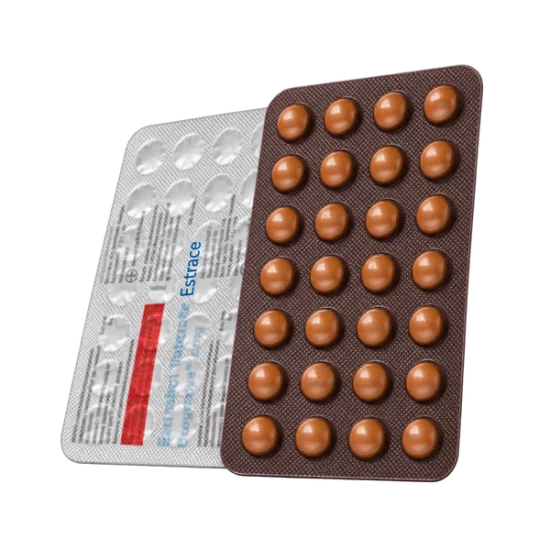
Your order will be securely packed and shipped within 24 hours. This is exactly what your package will look like (images of an actual item sent). It has the size and look of a regular private letter (9.4x4.3x0.3 in.) and its contents cannot be seen.
A balanced diet, resistance exercise, weight-bearing activity, cooler sleep conditions, and limiting personal hot-flash triggers can complement treatment. Alcohol, spicy foods, heated rooms, and sleep deprivation trigger symptoms in some people, but not everyone.
