Skip to content

Black Friday +8 free tablets with every order Nov 19 – Dec 2

Cabergoline

Cabergoline

Active ingredient: Cabergoline

4.5 3 reviews In stock Overview
Dosage
Package
Package

$91.21

$122.00 $136.82 Save 11%

$152.80 $182.42 Save 16%

$187.15 $228.03 Save 18%

$135.03

$210.84 $270.06 Save 22%

$402.73 $540.12 Save 25%

Black Friday +8 free tablets with every order until Dec 2

Delivery: 4-7 business days

Patients with elevated prolactin caused by hyperprolactinemia or a prolactin-secreting pituitary tumor may be prescribed Cabergoline. It is an oral dopamine receptor agonist that activates D2 receptors in the pituitary gland, reducing prolactin release and related endocrine symptoms.

Overview

Cabergoline is the active ingredient in Cabergoline tablets, USP, and belongs to the ergot-derived dopamine agonist class. Its main clinical role is the treatment of hyperprolactinemic disorders, in which the pituitary gland produces too much prolactin.

High prolactin can interfere with menstrual cycles, ovulation, fertility, testosterone production, sexual function, and bone health. Cabergoline lowers prolactin by acting directly on dopamine-sensitive cells in the pituitary gland. The FDA prescribing information identifies hyperprolactinemic disorders as the primary indication for cabergoline treatment [1].

Indications for pituitary disorders

Cabergoline may be used when high prolactin is linked to:

  • A prolactin-secreting pituitary adenoma
  • A microprolactinoma
  • A macroprolactinoma
  • Medication-related or unexplained hyperprolactinemia
  • Reduced fertility associated with abnormal prolactin levels
  • Milk production outside pregnancy or breastfeeding
  • Menstrual irregularity caused by elevated prolactin
  • Low testosterone associated with prolactin excess

A macroprolactinoma is a larger pituitary adenoma that can affect nearby structures, including the optic pathways. Lowering prolactin may reduce tumor activity and, in some patients, shrink the prolactinoma. Vision changes, persistent headaches, or symptoms caused by pressure from a pituitary tumor require prompt medical assessment.

A prolactin result should be interpreted with the timing of the blood test, pregnancy status, thyroid function, symptoms, and other medicines in mind. A single abnormal result does not always explain the whole clinical picture.

Dosage and administration

Dosage and administration

How much Cabergoline to use and how often depends on the purpose of treatment and is agreed with a doctor or pharmacist. The regimen may be adjusted according to prolactin results, symptom response, tolerability, pregnancy plans, and the presence of a pituitary tumor.

Common administration principles include:

  • Take Cabergoline by mouth at the prescribed interval.
  • Take it with food if nausea occurs.
  • Use the same planned days each week when the regimen involves intermittent dosing.
  • Do not take extra tablets to compensate for a missed dose unless a clinician gives that instruction.
  • If a dose is forgotten, use the next scheduled dose according to the treatment plan rather than doubling automatically.
  • Do not stop long-term treatment abruptly without a clinical plan, especially when it is controlling a prolactinoma.

Cabergoline may lower blood pressure when treatment begins or when the dose increases. Rising slowly from a chair or bed can reduce light-headedness. A practical issue patients often miss is that dizziness can be mistaken for a new neurological problem when it is actually postural hypotension.

Taking Cabergoline with an evening meal can make early nausea easier to tolerate, but the chosen timing should remain consistent with the prescribed schedule.

Formulation

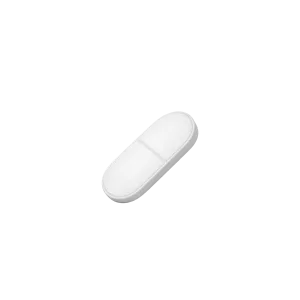
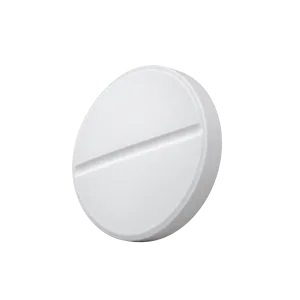
Cabergoline tablets, USP contain cabergoline as the active ingredient. Cabergoline belongs to the ergot-derived dopamine agonist class and activates dopamine-sensitive D2 receptors in the pituitary gland, helping reduce excessive prolactin release in hyperprolactinemic disorders.

How it affects the body

Cabergoline acts as a dopamine receptor agonist. In plain language, it imitates the action of dopamine at selected receptors. Its strongest relevant activity involves D2 receptors on pituitary lactotroph cells, the cells responsible for producing prolactin.

Dopamine normally travels from the hypothalamus to the pituitary gland and suppresses prolactin secretion. Cabergoline strengthens this inhibitory signal. Prolactin production falls, and blood prolactin levels may return toward the target range.

Cabergoline has a long duration of action compared with some older dopamine agonists. The FDA prescribing information describes cabergoline’s pharmacological activity as dopaminergic suppression of prolactin secretion [1].

A useful distinction is that cabergoline does not replace prolactin or directly supply a reproductive hormone. It changes the pituitary signal that controls prolactin release. Symptoms such as irregular periods, breast discharge, reduced libido, or low testosterone may improve gradually as hormone levels change.

Therapeutic indications

Cabergoline may be used when high prolactin is linked to:

  • A prolactin-secreting pituitary adenoma
  • A microprolactinoma
  • A macroprolactinoma
  • Medication-related or unexplained hyperprolactinemia
  • Reduced fertility associated with abnormal prolactin levels
  • Milk production outside pregnancy or breastfeeding
  • Menstrual irregularity caused by elevated prolactin
  • Low testosterone associated with prolactin excess

Common mistakes

Several practical mistakes can make Cabergoline seem less helpful or increase avoidable side effects:

  • Taking doses on random days instead of following the planned schedule
  • Doubling the next dose after forgetting one
  • Taking the medicine on an empty stomach despite repeated nausea
  • Standing quickly after a dose and then assuming dizziness is unrelated
  • Stopping treatment when prolactin improves without a follow-up plan
  • Ignoring new gambling, spending, eating, or sexual compulsions
  • Failing to mention ergot migraine medicines or dopamine-blocking medicines
  • Assuming restored fertility is impossible while prolactin is falling
  • Treating persistent headaches or visual changes as ordinary side effects
  • Continuing to drive after experiencing sudden sleepiness
Improved fertility can occur before a person expects it. Anyone who could become pregnant should discuss contraception or pregnancy planning as soon as prolactin begins to normalize.

Reasons not to use it

Cabergoline may be unsuitable or contraindicated in people with:

  • Uncontrolled hypertension
  • A history of serious cardiac valvulopathy linked to ergot-derived treatment
  • Known hypersensitivity to cabergoline or ergot medications
  • Severe fibrotic disease involving the lungs, heart lining, or retroperitoneum
  • Certain serious heart or circulation conditions requiring specialist assessment

Long-term or higher-dose exposure has been associated with fibrotic complications. These may include pulmonary fibrosis, pericardial fibrosis, retroperitoneal fibrosis, and cardiac valvulopathy. Symptoms such as progressive breathlessness, persistent cough, chest discomfort, leg swelling, abdominal or flank pain, and reduced exercise tolerance require medical review.

For longer treatment courses, clinicians may use cardiac assessment such as echocardiography before treatment and at intervals during therapy. The timing depends on the patient’s risk profile, treatment duration, dose, and local clinical guidance. The FDA label includes warnings about valvular disease and fibrotic reactions associated with dopamine agonist exposure [2].

When this is not for you

Cabergoline is not suitable for everyone. A clinician needs to consider blood pressure, heart-valve history, pregnancy status, liver function, pituitary imaging, and the medicines already being used.

Cabergoline can also cause orthostatic hypotension. Monitor blood pressure. People taking blood-pressure medicines, nitrates, or other drugs that lower blood pressure may need closer monitoring. Pregnancy planning requires a separate discussion because prolactin treatment, fertility restoration, and continued cabergoline use may need different decisions at different stages.

Possible side effects

Cabergoline is often tolerated well in endocrine treatment, though adverse effects can occur. The most common problems relate to dopamine stimulation, stomach upset, and changes in blood pressure.

More common reactions Less common or serious concerns
Nausea, headache, dizziness, constipation, fatigue, and somnolence Fainting, persistent low blood pressure, severe shortness of breath, chest pain, or swelling
Stomach discomfort or vomiting Cardiac valvulopathy or fibrotic disease
Light-headedness after standing Impulse-control symptoms, including pathological gambling or hypersexuality

Nausea may be strongest during the first part of treatment or after a dose increase. Eating with the dose can help, provided the schedule remains consistent. Headache and dizziness may improve as the body adapts, yet severe or persistent symptoms need assessment.

Somnolence can affect driving, operating machinery, and work requiring sustained attention. A sudden sleep episode is a reason to stop those activities and contact the prescribing clinician.

Dopamine stimulation may rarely contribute to impulse-control disorders. New pathological gambling, compulsive shopping, binge eating, increased sexual behavior, or hypersexuality should be reported promptly. The person experiencing the change may not recognize it immediately, so a partner or family member’s observation can be clinically useful.

Keep a simple record of new sleepiness, faintness, gambling urges, sexual behavior changes, or compulsive spending during dose adjustments. These details can be more useful than trying to recall symptoms weeks later.

Comparison

Cabergoline, bromocriptine, and pergolide are ergot-derived dopamine receptor agonists with activity at dopamine receptors. Their clinical use differs according to indication, regulatory status, tolerability, dosing schedule, and individual response.

Treatment approach Main pharmacological distinction Practical clinical difference
Cabergoline Strong D2-receptor activity with prolonged action Often allows less frequent dosing; nausea, dizziness, and valvular monitoring remain relevant
Bromocriptine Dopamine agonist with shorter action May require more frequent administration and can cause nausea or postural symptoms
Pergolide Older ergot-derived dopamine agonist Limited use in many settings because of concerns about cardiac-valve toxicity

Cabergoline is frequently selected when a longer dosing interval may improve adherence or when prolactin suppression is the central goal. Bromocriptine may be preferred in some pregnancy-related or specialist situations because clinicians have extensive experience with its use in those settings.

The choice is not based on receptor activity alone. A prescriber also considers pregnancy plans, tumor size, vision symptoms, heart-valve risk, prior nausea, blood-pressure control, and how reliably a patient can follow the schedule.

What doctors say

In clinical practice, doctors usually judge Cabergoline by more than symptom relief. Prolactin measurements, menstrual or reproductive function, testosterone-related symptoms, visual symptoms, pituitary imaging, blood pressure, and adverse effects may all contribute to treatment decisions.

A typical endocrine approach is to begin with a tolerable regimen and adjust it according to laboratory results. Prolactin may fall before a patient notices changes in fertility, libido, menstrual regularity, or breast discharge. A normal result does not always mean that every symptom has another cause, and persistent symptoms may require a broader endocrine review.

Doctors also distinguish between biochemical control and tumor control. A falling prolactin level is encouraging, while a macroprolactinoma may require imaging and visual-field follow-up. Long-term treatment decisions depend on the original tumor findings, duration of normal prolactin, imaging results, pregnancy plans, and recurrence risk.

The Endocrine Society guideline emphasizes individualized evaluation of hyperprolactinemia, pituitary tumors, pregnancy, and treatment response [3]. Patients should report fainting, shortness of breath, chest discomfort, new behavioral compulsions, or sudden sleep episodes rather than waiting for a routine appointment.


Comparison

Cabergoline Current

Active ingredient: Cabergoline
0.25mg 0.5mg
From $91.21
pills
4.5 (3)

Caberlin

Active ingredient: Cabergoline
0.25mg 0.5mg
From $91.21
pills
3.9 (4)

Comparison table: Hyperprolactinemia

Common questions

Can Cabergoline be combined with blood-pressure medicines or migraine treatments?

Cabergoline may intensify the blood-pressure-lowering effect of antihypertensive medicines, leading to dizziness or fainting, as described in FDA labeling from 2005 . Ergot-containing migraine treatments require special caution because combining ergot medicines can increase vascular adverse effects. Dopamine-blocking anti-nausea or antipsychotic medicines may also oppose cabergoline’s action. A medication review should cover occasional treatments, not only daily medicines. Monitoring can guide adjustments.

Does Cabergoline cause nausea?

Nausea is a recognized adverse effect of Cabergoline and is described in the FDA label from 2005 . It may be more noticeable when treatment begins or after a dose increase. Taking the prescribed dose with food can reduce stomach discomfort for some people. Repeated vomiting, severe abdominal pain, fainting, or inability to keep fluids down requires prompt medical attention.

Can alcohol be used during Cabergoline treatment?

Alcohol may worsen dizziness, sleepiness, impaired coordination, and low blood pressure while taking Cabergoline. The FDA prescribing information from 2005 advises attention to hypotension and central nervous system effects. Avoid driving or hazardous activity if alcohol and the medicine make you drowsy or unsteady. People who experience faintness should avoid alcohol until the reaction has been assessed.

Which symptoms require stopping Cabergoline and seeking urgent medical care?

Urgent symptoms include chest pain, severe shortness of breath, fainting, sudden vision changes, severe headache with neurological symptoms, or signs of a serious allergic reaction. The FDA safety information from 2005 links cabergoline with rare cardiac and fibrotic complications that require clinical evaluation . New compulsive gambling, hypersexuality, or other major behavioral changes should be reported quickly, even when there is no physical emergency. Do not take another dose until urgent advice has been obtained if a severe reaction occurs.

What should happen if the expected result does not appear?

Prolactin may improve before fertility, sexual function, menstrual regularity, or breast symptoms change. The Endocrine Society guideline published in 2011 recommends evaluating the diagnosis, adherence, hormone results, tumor status, pregnancy status, and other causes when response is incomplete . A persistently high prolactin level may reflect an inadequate regimen, an interacting medicine, thyroid disease, macroprolactin, or a pituitary condition requiring reassessment. Increasing the dose without clinical direction can expose a patient to avoidable adverse effects.

How does Cabergoline differ from bromocriptine?

Cabergoline and bromocriptine are dopamine receptor agonists, but cabergoline has prolonged D2 activity and is often given less frequently. Bromocriptine has a shorter duration and may cause more frequent dosing demands or gastrointestinal symptoms for some patients. The FDA prescribing information from 2005 describes cabergoline’s sustained prolactin-suppressing action. Bromocriptine may still be selected in specific reproductive or pregnancy-related circumstances because clinical experience and treatment priorities differ.

How long does a course of Cabergoline last, and is long-term use acceptable?

Treatment duration depends on the cause of hyperprolactinemia, the presence and size of a pituitary adenoma, prolactin results, imaging, symptoms, pregnancy plans, and recurrence risk. Long-term treatment can be appropriate when ongoing prolactin suppression is needed, with monitoring for blood pressure, cardiac valvulopathy, and fibrotic complications. The Endocrine Society guidance from 2011 supports individualized follow-up rather than a fixed course for every patient . Some people may later be assessed for dose reduction or withdrawal after sustained control, while others need continued therapy.

Do you offer anonymous delivery?

Your order will be securely packed and shipped within 24 hours. This is exactly what your package will look like (images of an actual item sent). It has the size and look of a regular private letter (9.4x4.3x0.3 in.) and its contents cannot be seen.

Customer Feedback on Cabergoline

4.5 Based on 3 reviews
Gareth, 36 Memphis Several weeks
Nov 3, 2026
Rating: 5 out of 5
I used my prescribed Cabergoline dose twice weekly for several weeks and noticed that the breast discharge stopped after several weeks. My energy and interest in sex also improved gradually. The twice-weekly schedule fitted easily into my routine, and I was pleased with the change.
Martin, 31 Baltimore Several weeks
Nov 10, 2026
Rating: 3.5 out of 5
After several weeks on my prescribed Cabergoline dose, my prolactin fell, but the first few doses caused nausea and light-headedness. Taking it with dinner helped, although the improvement in symptoms took longer than I expected. I had to be more careful standing up quickly.
Peter, 59 Boston Several months
Oct 12, 2026
Rating: 5 out of 5
I used my prescribed Cabergoline dose for several months as part of treatment for a prolactin-secreting pituitary problem. The headaches became less frequent over time, and follow-up testing showed better hormone control. The treatment required patience, but the gradual improvement was clear to me.

Sources

  1. U.S. Food and Drug Administration (2005). Cabergoline Tablets, USP: Prescribing Information.
  2. U.S. Food and Drug Administration (2005). Cabergoline Tablets, USP: Warnings and Precautions.
  3. Endocrine Society (2011). Diagnosis and Treatment of Hyperprolactinemia: Clinical Practice Guideline.
Get our free app Shop faster and track your orders 4.0 · 378 reviews Install