Skip to content

Black Friday +8 free tablets with every order Nov 19 – Dec 2

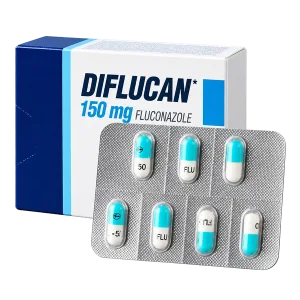
Diflucan

Diflucan

Active ingredient: Fluconazole

4.3 4 reviews In stock Overview
Dosage
Package
Package

$64.88

$103.81 $129.76 Save 20%

$141.31 $194.64 Save 27%

$168.70 $259.52 Save 35%

$227.83 $389.28 Save 41%

$90.84

$162.94 $181.68 Save 10%

$219.17 $272.52 Save 20%

$263.88 $363.36 Save 27%

$356.16 $545.04 Save 35%

Black Friday +8 free tablets with every order until Dec 2

Delivery: 4-7 business days

Diflucan is used in adults and selected children for susceptible fungal infections. Its active ingredient, fluconazole, blocks the fungal enzymes Candida needs to build its protective cell membrane.

Overview

Diflucan contains fluconazole, which blocks the fungal enzymes Candida needs to build its protective cell membrane. It is used in adults and selected children for vaginal yeast infections, oral thrush, esophageal candidiasis, and other susceptible fungal infections.

Dosage and administration

The regimen for the chosen strength must be confirmed with a healthcare professional before starting. Diflucan pills are taken by mouth, with water, and may be taken with or without food. A single oral dose may be used for uncomplicated vaginal candidiasis when a clinician confirms that this treatment is appropriate.

Treatment for oral candidiasis, esophageal candidiasis, recurrent infection, or systemic disease uses a different schedule. The duration depends on the infection and clinical response. Kidney impairment can require dose adjustment because fluconazole leaves the body mainly through the kidneys.

  • Swallow the pill whole with water.
  • Take it at the prescribed time.
  • Do not repeat a single-dose regimen because symptoms remain without medical advice.
  • If a scheduled dose is missed during a longer course, take it when remembered unless the next dose is near.
  • Do not double the next dose.
  • Complete the prescribed course for infections requiring multiple doses.

The exact regimen for children, older adults, people with kidney disease, and patients receiving dialysis requires individual selection. The IDSA candidiasis guideline describes different fluconazole schedules according to infection site and severity [2].

Formulation

Diflucan contains fluconazole, an oral triazole antifungal that blocks fungal enzymes Candida needs to build its protective cell membrane.

How it affects the body

Fluconazole belongs to the triazole class of azole antifungals. It inhibits fungal lanosterol 14-alpha-demethylase, an enzyme needed to produce ergosterol. Ergosterol helps maintain the fungal cell membrane; reducing it weakens membrane structure and interferes with fungal growth.

Diflucan and a fluconazole generic contain the same active pharmaceutical ingredient when they have the same approved strength and dosage form. Bioequivalent products are expected to provide comparable exposure to fluconazole. Inactive ingredients can differ between manufacturers, which may matter to people with a known excipient allergy or intolerance.

Fluconazole reaches many body tissues and remains in the body longer than some topical treatments. Its systemic exposure can be useful when infection affects the esophagus or multiple mucosal sites. The same systemic exposure also explains why interactions, liver effects, heart-rhythm effects, and pregnancy considerations require attention.

Therapeutic indications

Diflucan is an oral antifungal containing fluconazole, a triazole medicine that acts against susceptible Candida species. The treatment selected depends on the infection site, its severity, the person’s immune status, kidney function, pregnancy status, and the organism’s susceptibility.

A single oral dose is commonly used for uncomplicated vulvovaginal candidiasis when the diagnosis is appropriate. Longer or repeated regimens may be used for oral candidiasis, esophageal candidiasis, recurrent vaginal infections, or invasive candidiasis under medical supervision. The FDA prescribing information describes fluconazole use across several mucosal and systemic fungal infections [1], and the World Health Organization (WHO) lists fluconazole among medicines used for susceptible fungal infections.

Infection Main site and presentation Typical treatment approach
Vulvovaginal candidiasis Vaginal itching, soreness, redness, and thick discharge Often an oral single-dose regimen when clinically appropriate
Oral or esophageal candidiasis White mouth plaques, painful swallowing, or swallowing difficulty A longer course selected according to severity and response
Invasive candidiasis Candida infection affecting blood or internal organs Specialist-directed systemic therapy and close monitoring

Mucosal and systemic Candida infections

Vaginal yeast infections affect the vulva and vagina. Oral candidiasis, also called thrush, affects the mouth and throat. Esophageal candidiasis can cause painful swallowing or difficulty swallowing and occurs more often in people with impaired immunity.

Systemic candidiasis is more serious.

It can involve the bloodstream or internal organs and usually occurs in hospitalized or immunocompromised patients. Diflucan may be used for susceptible infections, but invasive disease requires urgent medical assessment rather than self-treatment.

A first episode of vaginal symptoms deserves diagnostic confirmation when possible. Bacterial vaginosis, trichomoniasis, dermatitis, and sexually transmitted infections can produce similar discomfort but require different treatment.

Common mistakes

Several practical errors reduce the chance of a good result:

  • Taking fluconazole for every episode of genital itching without confirming the cause.
  • Repeating the 150 mg dose too soon because symptoms have not disappeared immediately.
  • Stopping a longer course early when the symptoms start to improve.
  • Forgetting to mention warfarin, statins, seizure medicines, or heart-rhythm drugs.
  • Taking fluconazole during pregnancy without discussing the indication and regimen.
  • Assuming oral fluconazole treats bacterial vaginosis or a sexually transmitted infection.
  • Ignoring a spreading rash, jaundice, fainting, or severe palpitations.
  • Using leftover pills for a new episode months later.
Keep the date of the last fluconazole dose in your medication record. This helps a clinician interpret a persistent rash, liver-test change, or interaction during the following days.

Reasons not to use it

This treatment is not for you if you have had a serious allergic reaction to fluconazole or another azole, unless a specialist has identified a safe alternative strategy.

Extra caution or a modified regimen may be required with:

  • Liver disease or a history of drug-related liver injury.
  • Kidney impairment or dialysis.
  • A known prolonged QT interval, significant arrhythmia, or low potassium or magnesium.
  • Pregnancy, especially when considering high-dose or prolonged therapy.
  • Breastfeeding, when the dose and infant exposure need assessment.
  • A history of severe skin reactions to medicines.

Fluconazole inhibits several cytochrome P450 enzymes, especially CYP2C9, CYP2C19, and CYP3A4. This can raise concentrations of medicines metabolized through those pathways.

Warfarin is a key interaction.

Fluconazole can increase anticoagulant exposure and raise the INR, increasing bleeding risk. People taking warfarin may need closer INR monitoring after starting or stopping fluconazole.

Other important interaction groups include certain statins, sulfonylureas, phenytoin, carbamazepine, rifabutin, tacrolimus, ciclosporin, some antidepressants, selected antiarrhythmics, and medicines that already prolong the QT interval. Combining fluconazole with the sedative triazolam or with ergot alkaloids can also create clinically significant risks.

Do not combine Diflucan with a medicine that is specifically contraindicated in its prescribing information. A complete medication list should include prescriptions, over-the-counter products, vitamins, and herbal supplements.

When this is not for you

Diflucan is not suitable for everyone.

Possible side effects

Common reactions to oral fluconazole include headache, nausea, abdominal discomfort, diarrhea, and indigestion. Mild skin rash can occur. Many reactions are temporary, but worsening symptoms deserve attention.

Liver injury is uncommon but clinically important. Warning signs include yellowing of the skin or eyes, dark urine, unusually pale stools, severe tiredness, persistent vomiting, or pain under the right ribs. Fluconazole can also prolong the QT interval, an electrical measurement on an electrocardiogram, and may rarely contribute to dangerous heart rhythms in susceptible patients.

Urgent assessment is needed for facial swelling, breathing difficulty, widespread blistering rash, peeling skin, fainting, or a fast or irregular heartbeat. The FDA label describes rare serious hepatic, dermatological, and cardiac reactions associated with fluconazole [3].

One detail patients often miss: a mild stomach upset can be managed by taking the pill with food, but a rash is not something to ignore if it spreads, blisters, or affects the mouth or eyes.

Tell the prescriber about previous reactions to azole antifungals. A mild nausea episode and a blistering rash represent very different levels of risk and should not be treated as equivalent.

Comparison

Fluconazole is an oral systemic azole. Topical azoles and nystatin act mainly at the application site, while other oral azoles may have different interaction profiles and dosing schedules.

Treatment category Route and class Common clinical role
Fluconazole Oral triazole azole Vaginal, oral, esophageal, and selected systemic Candida infections
Clotrimazole or miconazole Topical azole Local vulvovaginal or oral treatment depending on formulation
Nystatin Topical polyene Oral candidiasis and selected localized infections

For an uncomplicated vaginal yeast infection, an oral regimen may be convenient, while a topical azole avoids most systemic exposure. Topical treatment can still cause local burning or irritation. Fluconazole may be unsuitable when a patient is pregnant, has important interacting medicines, or has a history of fluconazole-resistant infection.

Terconazole is another topical azole used for vulvovaginal candidiasis. Itraconazole and ketoconazole have broader interaction concerns and are not interchangeable with fluconazole. Monistat is a brand associated with miconazole products, so its route and active substance differ from Diflucan.

Clinical guidelines also distinguish Candida species. Candida glabrata and other non-albicans species may respond less reliably to standard fluconazole treatment, making laboratory evaluation useful in recurrent or persistent cases.

What doctors say

In clinical practice, doctors first confirm that the symptoms fit candidiasis and then choose the shortest suitable regimen. Fluconazole can be convenient, but convenience does not replace diagnosis. Recurrent episodes may require culture or other testing because the Candida species can change and some species respond poorly to fluconazole.

Physicians also look beyond the infection itself. Diabetes, recent antibiotics, immune suppression, corticosteroid use, pregnancy, and repeated exposure to azole medicines can affect recurrence and treatment response.

A useful expectation is that symptoms should begin improving after treatment, but itching or soreness may take longer to settle than the fungal burden. Persistent symptoms, worsening pain, fever, pelvic pain, or repeated episodes require reassessment rather than automatic repeat dosing.

Comparison

Diflucan Current

Active ingredient: Fluconazole
50mg 150mg
From $64.88
pills
4.3 (4)

Fluconazole

Active ingredient: Fluconazole
150mg
From $62.82
pills
3.7 (5)

Comparison table: Antifungals

Common questions

What should I do if the expected result does not come?

Persistent symptoms after Diflucan can reflect resistant Candida, an incorrect diagnosis, reinfection, or inflammation unrelated to fungus. The CDC 2021 treatment guidance recommends reassessment for recurrent or persistent vulvovaginal symptoms rather than repeated self-treatment [4]. A clinician may need an examination, microscopy, culture, or susceptibility testing. Seek prompt care for fever, pelvic pain, severe swelling, ulcers, or worsening illness. Clinical testing can help identify the cause.

Can Diflucan be used by anyone under 18?

Fluconazole is used in children for selected fungal infections, but the dose is calculated from body weight, age, kidney function, and infection type. The FDA 2022 prescribing information includes pediatric use for specific indications, while a routine adult single-dose regimen should not be copied for a child . Infants and children with serious infection require individual medical management. A child should not receive an adult pill unless the regimen has been specifically prescribed.

What should be discussed with a doctor before starting Diflucan?

Discuss pregnancy or breastfeeding, liver disease, kidney disease, heart-rhythm problems, previous azole reactions, and every medicine or supplement being taken. Warfarin, certain seizure medicines, statins, immunosuppressants, and QT-prolonging medicines are clinically relevant examples. The EMA 2023 product information for fluconazole also addresses hepatic, cardiac, pregnancy, and interaction warnings [5]. Mention whether the infection is recurrent or whether previous antifungal treatment failed.

How does Diflucan differ from topical azole treatments?

Diflucan contains oral fluconazole, while clotrimazole, miconazole, and terconazole products used for vaginal infections are usually applied locally. The CDC 2021 guidance discusses oral fluconazole and topical options; oral treatment creates systemic exposure, while topical treatment concentrates medicine at the application site. Topical products may cause local irritation; fluconazole carries more potential for systemic interactions. The best option depends on diagnosis, pregnancy status, recurrence, drug interactions, and patient preference.

What happens after stopping Diflucan, and is tapering needed?

Fluconazole does not usually require tapering because it is an antifungal rather than a medicine that produces physiological dependence. After a single dose, the medicine is gradually eliminated from the body. Stopping a multi-dose course early can leave infection incompletely treated and may allow symptoms to return. The IDSA 2016 guidance links treatment duration to the infection site, severity, and clinical response .

Can Diflucan be combined with warfarin or other medicines?

Fluconazole can interact with warfarin by increasing anticoagulant effect and may raise the INR. It also affects several liver enzymes, creating interaction risks with some statins, anticonvulsants, immunosuppressants, diabetes medicines, sedatives, and rhythm-affecting drugs. The FDA 2022 label recommends attention to clinically significant interactions and monitoring when appropriate . Do not add an herbal supplement during treatment without checking its interaction potential.

Is Diflucan suitable during pregnancy or breastfeeding?

Pregnancy changes the treatment choice. For vaginal candidiasis during pregnancy, CDC 2021 guidance recommends topical azole therapy for seven days and advises against routine oral fluconazole use . High-dose or prolonged fluconazole exposure has been associated with fetal concerns, while breastfeeding decisions depend on the dose, treatment duration, and infant’s health. The prescriber should select the treatment after confirming the infection and pregnancy or breastfeeding status.

Do you offer anonymous delivery?

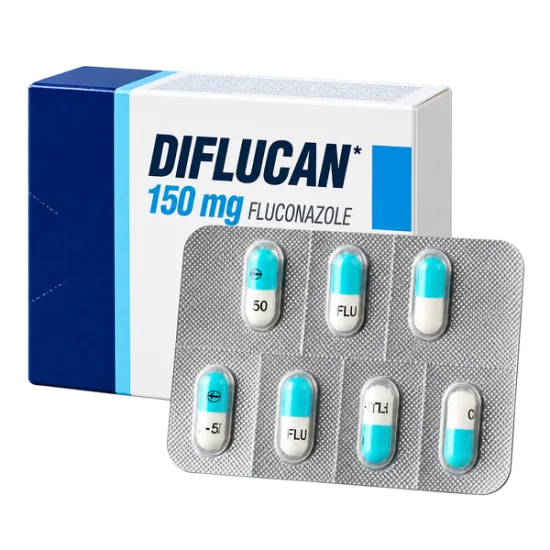
Your order will be securely packed and shipped within 24 hours. This is exactly what your package will look like (images of an actual item sent). It has the size and look of a regular private letter (9.4x4.3x0.3 in.) and its contents cannot be seen.

Customer Feedback on Diflucan

4.3 Based on 4 reviews
Adam, 61 Denver
Nov 2, 2026
Rating: 3.5 out of 5
I had a mixed experience with Diflucan. The single pill helped the itching and discomfort within a few days, but the relief was slower than I expected and I had mild stomach upset that evening.
Robert, 52 Charlotte
Nov 8, 2026
Rating: 4.5 out of 5
Diflucan cleared the mouth soreness and white patches I had noticed while eating. I took the pill with breakfast, and the improvement was clear over the next several days.
Craig, 64 Philadelphia
Oct 13, 2026
Rating: 4.5 out of 5
The treatment worked well for the fungal infection affecting my mouth. Swallowing became easier during the following week, and I appreciated that the regimen did not require applying a cream.
Daniel, 63 Nashville
Oct 25, 2026
Rating: 4.5 out of 5
Diflucan gave me noticeable relief from the symptoms of my yeast infection. The discomfort eased steadily, and I was satisfied with the result after completing the prescribed treatment.

Sources

  1. U.S. Food and Drug Administration (2022). Diflucan (fluconazole) Prescribing Information.
  2. Infectious Diseases Society of America (2016). Clinical Practice Guideline for the Management of Candidiasis: 2016 Update.
  3. U.S. Food and Drug Administration (2022). Diflucan (fluconazole) Prescribing Information: Warnings, Precautions, and Drug Interactions.
  4. Centers for Disease Control and Prevention (2021). Sexually Transmitted Infections Treatment Guidelines: Vulvovaginal Candidiasis.
  5. European Medicines Agency (2023). Fluconazole Product Information.
Get our free app Shop faster and track your orders 4.0 · 396 reviews Install