Skip to content

Black Friday +8 free tablets with every order Nov 19 – Dec 2

Pain O Soma

Pain O Soma

Active ingredient: Carisoprodol

4.1 5 reviews In stock Overview
Package

$145.69

$152.80 $291.38 Save 48%

$165.83 $437.07 Save 62%

$180.04 $582.76 Save 69%

$196.63 $874.14 Save 78%

Black Friday +8 free tablets with every order until Dec 2

Delivery: 4-7 business days

Adults with acute painful muscle strains, sprains, or other musculoskeletal injuries may be prescribed Pain O Soma for short-term relief. Rest and physical therapy remain part of recovery.

Overview

It contains carisoprodol, a centrally acting skeletal muscle relaxant that reduces abnormal muscle spasm and pain signaling. The medicine does not repair the injured tissue itself.

Dosage and administration

The amount per intake is individualized rather than being one fixed number for every person. The prescribed dose, dosing interval, and treatment duration should be followed exactly. Pain O Soma is taken by mouth in the form supplied for the prescription.

Typical administration principles include:

  • Take each dose at the prescribed interval.
  • Use it for the shortest period that provides the intended clinical benefit.
  • Do not take extra doses because pain returns before the next scheduled dose.
  • Do not combine it with alcohol, opioids, benzodiazepines, or other sedating substances.
  • If a dose is missed, take it when remembered unless the next dose is near; do not double the amount.
  • Do not extend treatment beyond the prescribed course.

Carisoprodol is metabolized partly into meprobamate, a substance associated with sedative and dependence effects. For that reason, stopping after prolonged or frequent use may require a clinician-directed reduction rather than an abrupt change. A short prescribed course usually does not require a taper, while extended use raises a different withdrawal concern.

Keep the dosing time consistent and avoid taking a missed dose close to the next one. Two doses taken too close together can intensify dizziness and sedation.

Formulation

Active Ingredient Profile

Carisoprodol acts within the central nervous system. The FDA classifies it as a Schedule IV controlled substance in the United States because prolonged use can lead to misuse, dependence, and withdrawal symptoms [1].

The medicine is intended for adults with acute muscle injuries, sprains, strains, and painful musculoskeletal conditions. It is generally prescribed alongside rest and physical therapy, not as the only treatment for the underlying injury.

Pain O Soma can make a person feel sleepy even when the muscle pain has improved. Treat alertness as a safety issue, not as a measure of whether the dose is working.

How it affects the body

Carisoprodol changes neuronal activity in the spinal cord and descending reticular formation of the brain. These areas help process signals related to muscle tone, reflex activity, and pain perception. By reducing interneuronal signaling, the drug can lessen painful muscle spasm and reduce the intensity of pain sensations reaching conscious awareness.

The medicine does not repair a torn ligament, heal a fracture, or remove inflammation at the site of injury. Its contribution is functional: it reduces excessive muscle activity and may make movement, rest, and rehabilitation more tolerable.

A useful way to understand the pathway is:

  • Muscle strain or injury activates pain receptors.
  • Signals travel through peripheral nerves toward the spinal cord.
  • Spinal reflex activity can increase protective muscle spasm.
  • Carisoprodol modifies central signaling involved in that reflex.
  • Reduced spasm may ease movement and secondary pain.

Clinical information from the FDA describes carisoprodol’s muscle-relaxant activity as occurring through central nervous system effects rather than direct relaxation of skeletal muscle fibers. This explains why drowsiness, slowed reactions, and impaired concentration can occur at the same time as symptom relief.

Therapeutic indications

Pain O Soma is used for short-term management of acute painful musculoskeletal conditions. Typical clinical situations include:

  • Acute lower-back muscle spasm
  • Sprains and strains
  • Painful muscle injuries after physical activity
  • Short-lived neck or shoulder spasm
  • Muscle discomfort associated with restricted movement

The medicine is usually combined with physical rest and a rehabilitation plan. Physical therapy can address mobility, strength, and the source of recurrent spasm while carisoprodol provides temporary symptom control.

Common mistakes

Several avoidable mistakes reduce benefit or increase harm:

  • Taking an extra dose when pain returns early
  • Combining the medicine with beer, wine, cannabis, or recreational sedatives
  • Using leftover tablets for a new injury without assessment
  • Driving because the person feels less pain while ignoring sleepiness
  • Stopping after prolonged frequent use without discussing withdrawal risk
  • Assuming caffeine cancels sedation
  • Sharing tablets with a family member or training partner
  • Continuing treatment after the short-term injury has resolved
  • Using the medicine to treat chronic pain without reassessing the diagnosis

One mistake deserves special attention: taking carisoprodol with an opioid and assuming that a familiar opioid dose remains familiar. The combination can produce much stronger sedation than either medicine alone.

Another is confusing reduced pain with complete recovery. A muscle may feel looser while the injured tissue still needs gradual loading and physical therapy.

Reasons not to use it

Pain O Soma is not suitable for everyone. Specific conditions and combinations can make treatment unsafe.

  • You have a previous serious allergic reaction to carisoprodol or meprobamate.
  • You are already experiencing unexplained loss of consciousness or severe respiratory depression.
  • You are taking alcohol, opioids, benzodiazepines, or several sedating medicines without a coordinated treatment plan.
  • You have a history of carisoprodol or sedative misuse that is not being actively managed.
  • You are pregnant or breastfeeding without a clinician’s specific assessment.
  • You have severe liver or kidney impairment requiring medication adjustment.
  • You have a seizure disorder or a prior withdrawal-related seizure.

When this is not for you

Older adults can be more sensitive to dizziness, confusion, and falls. People with a history of substance-use disorder also need a carefully controlled treatment plan. The FDA label identifies hypersensitivity, sedation, psychomotor impairment, misuse, and withdrawal as central safety concerns .

  • You need to drive, operate machinery, climb, or perform safety-critical work while sedated.

Possible side effects

The most commonly reported reactions involve the central nervous system. Drowsiness, dizziness, headache, and nausea can occur during treatment. These effects may be more noticeable after the first doses, after a dose increase, or when another sedating substance is present.

Common tolerability problems include:

  • Drowsiness or unusual sleepiness
  • Dizziness or unsteadiness
  • Headache
  • Nausea or stomach upset
  • Reduced concentration
  • Blurred vision
  • Poor coordination

Because sedation can develop quickly, avoid driving or operating machinery after a dose.

A person who feels dizzy should sit or lie down before standing again. Sudden position changes can increase the chance of falling, especially in older adults. Headache or mild nausea may improve as the body adjusts, but persistent symptoms that interfere with eating, walking, or daily activities need clinical review.

One practical issue is timing. A dose taken shortly before a work shift, ladder use, swimming, or operating machinery can create a safety problem even when the person feels physically stronger because the muscle spasm is easing.

Serious reactions are uncommon but require rapid attention. Excessive central nervous system depression can cause profound sleepiness, confusion, slowed breathing, loss of consciousness, or coma. Risk increases when carisoprodol is combined with opioids, alcohol, benzodiazepines, sleep medicines, or other central nervous system depressants.

Urgent warning signs include:

  • Difficulty breathing or unusually slow breathing
  • Inability to stay awake or respond normally
  • Fainting or severe confusion
  • Seizures
  • Rapid heartbeat with weakness, chest discomfort, or collapse
  • Severe abdominal pain with vomiting or marked weakness
  • Loss of coordination that is sudden or extreme
  • New paralysis or inability to move a limb

Call emergency services for suspected overdose, seizure, coma, or breathing difficulty. Do not try to make an unconscious person vomit, and do not give additional medicines to counteract sleepiness.

A person who cannot be woken normally after taking carisoprodol needs emergency help, especially if an opioid, alcohol, or sedative was also used.

Carisoprodol has additive central nervous system effects with alcohol, opioids, benzodiazepines, sleep medicines, and sedating antihistamines. Combining it with codeine or hydrocodone-containing products such as Vicodin can increase respiratory depression, confusion, and loss of consciousness. Xanax, which contains alprazolam, adds benzodiazepine sedation and can intensify impaired coordination.

Aspirin and caffeine do not produce the same degree of central nervous system depression, but any combination should reflect the person’s full medication plan. Aspirin may increase gastrointestinal bleeding risk in susceptible people, while caffeine may mask tiredness without reversing impaired coordination.

Combination Main additive risk Clinical concern
Carisoprodol plus opioids such as codeine or Vicodin Sedation and respiratory depression Overdose, coma, or death
Carisoprodol plus benzodiazepines such as Xanax Severe drowsiness and impaired coordination Falls, confusion, loss of consciousness
Carisoprodol plus alcohol or sedating medicines Broad central nervous system depression Slow breathing and inability to awaken

Terms such as “Soma Coma” and “Houston Cocktail” are informal descriptions of dangerous multi-substance sedation, not medical treatment names. Mixing carisoprodol with codeine or other opioids can produce profound central nervous system depression. The FDA warns that combining opioids with other central nervous system depressants can cause extreme sleepiness, breathing suppression, coma, and death [2].

Comparison

Pain O Soma belongs to a different pharmacological group from anti-inflammatory pain relievers and opioid analgesics. The choice depends on whether muscle spasm, inflammation, or severe pain is the dominant problem.

Treatment category Main clinical role Key limitation
Carisoprodol-based muscle relaxant Reduces central muscle-spasm signaling Sedation, dependence, and impaired driving
Nonsteroidal anti-inflammatory drug Reduces inflammatory pain and swelling Gastrointestinal, kidney, and cardiovascular risks
Opioid analgesic Reduces severe pain perception Respiratory depression, tolerance, and dependence

A muscle relaxant may be considered when painful spasm limits movement. An anti-inflammatory approach may be more suitable when swelling and tissue inflammation dominate. Opioids carry a separate respiratory-depression risk and can become considerably more dangerous when combined with carisoprodol.

What doctors say

In clinical practice, prescribers usually treat carisoprodol as a short bridge through an acute injury, not as a maintenance treatment for recurring pain. The expected benefit is improved comfort and movement while the underlying strain recovers through rest and rehabilitation.

A physician will usually review other medicines before prescribing it. Opioids, benzodiazepines, sleep aids, alcohol use, and previous sedative dependence can change the risk assessment substantially. A person who works at heights, drives commercially, or operates machinery may need a different treatment approach because even moderate drowsiness can create a serious occupational hazard.

The World Health Organization emphasizes careful assessment of analgesic risk, patient factors, and medicine combinations when drugs with central nervous system effects are used [3]. The FDA, NICE, the European Medicines Agency, and PubMed are also useful sources for checking medicine safety and clinical evidence. A practical prescribing question is not only whether the muscle is painful, but also whether the person can safely remain alert during the treatment period.

Comparison

Baclofen

Active ingredient: Baclofen
10mg 25mg
From $28.01
pills
4.3 (3)

Baclosign

Active ingredient: Baclofen
10mg 25mg
From $37.90
pills
4.2 (5)

Pain O Soma Current

Active ingredient: Carisoprodol
350mg
From $145.69
pills
4.1 (5)

Comparison table: Muscle Relaxants

Common questions

How long does a Pain O Soma course last, and is long-term use acceptable?

The FDA label describes carisoprodol as a short-term treatment, generally limited to two or three weeks for acute musculoskeletal conditions . Long-term use is not the standard approach because tolerance, dependence, withdrawal, and sedation risks increase with continued exposure. A clinician may reassess the diagnosis if pain persists beyond the expected recovery period. Current prescribing practice in 2026 favors the shortest clinically appropriate course.

What should be discussed with a doctor before starting Pain O Soma?

The prescriber should know about opioid use, benzodiazepines such as Xanax, alcohol intake, sleep medicines, liver or kidney disease, pregnancy, breastfeeding, seizures, allergies, and prior substance-use problems. These factors can increase sedation, respiratory depression, or withdrawal risk. The FDA’s carisoprodol prescribing information identifies medication interactions and abuse potential as key assessment points . In 2026, a complete medication review remains essential before starting a centrally acting muscle relaxant.

Can Pain O Soma affect driving, concentration, or machinery work?

Yes. Drowsiness, dizziness, blurred vision, slowed reactions, and poor coordination can impair driving and machinery operation. The FDA identifies psychomotor impairment as a clinically relevant risk with carisoprodol. Avoid safety-critical activities until the individual response is clear and the prescribed treatment has ended. Caffeine may make a person feel more alert but does not reliably restore coordination. The FDA guidance remains relevant in 2026.

Which symptoms mean that Pain O Soma should be stopped and urgent help sought?

Difficulty breathing, inability to wake, fainting, seizures, severe confusion, collapse, or suspected overdose require emergency assistance. Rapid heartbeat with chest discomfort, severe abdominal pain with marked weakness, and sudden paralysis also need urgent assessment. The FDA’s 2016 safety communication on opioids and central nervous system depressants describes profound sedation, respiratory depression, coma, and death as emergency risks when sedating combinations are used . Do not take another sedating substance while waiting for medical help.

How soon can the effect of Pain O Soma become noticeable?

Carisoprodol is absorbed after oral administration, and drowsiness or muscle-relaxant effects may appear during the first dosing period. Pain relief can vary because the cause and severity of the spasm differ between patients. The FDA prescribing information describes carisoprodol as an adjunct to rest and physical therapy rather than a treatment that resolves the injury itself . The FDA's 2010 prescribing information supports using carisoprodol as an adjunct for selected acute conditions with attention to sedation and treatment duration.

Do you offer anonymous delivery?

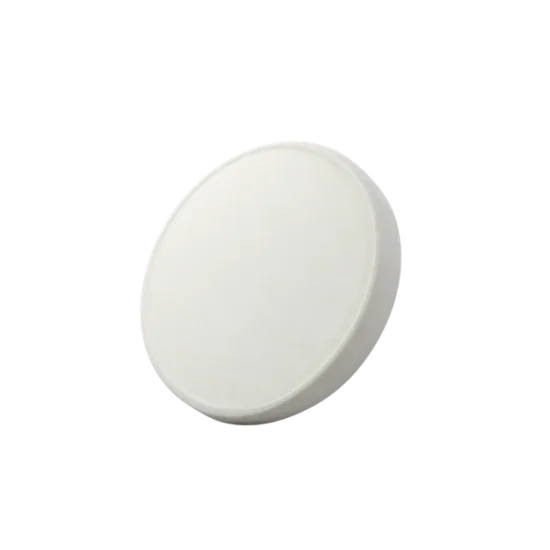
Your order will be securely packed and shipped within 24 hours. This is exactly what your package will look like (images of an actual item sent). It has the size and look of a regular private letter (9.4x4.3x0.3 in.) and its contents cannot be seen.

Customer Feedback on Pain O Soma

4.1 Based on 5 reviews
Lee, 38 Portland A short course
Oct 26, 2026
Rating: 4 out of 5
I used Pain O Soma for an acute back strain. I took it at the prescribed dose for a short course. Within the first few days, the spasm eased enough for me to sleep and move around the house more normally. I was satisfied with the relief during that short period.
Jessica, 38 San Diego A short course
Nov 4, 2026
Rating: 3.5 out of 5
I took Pain O Soma at the prescribed dose for a short course. It reduced the tightness in my lower back, but it made me sleepy after each dose. The relief was useful, although I had to arrange my day around not driving afterward.
Neil, 28 Detroit A short course
Nov 10, 2026
Rating: 5 out of 5
I took Pain O Soma at the prescribed dose for a short course for a painful shoulder strain. Movement became easier during the first week, and it helped me take part in stretching without the constant muscle tightening.
Natalie, 64 Los Angeles A short course
Nov 12, 2026
Rating: 3.5 out of 5
I took Pain O Soma at the prescribed dose for a short course. The muscle spasm improved, but dizziness was a problem when I stood up quickly. I stopped using it after discussing the reaction with my doctor because the fall risk mattered more than the partial relief.
Thomas T., 35 Memphis A brief course
Nov 22, 2026
Rating: 4.5 out of 5
I took Pain O Soma at the prescribed dose for a brief course for a short episode of neck spasm after physical work. The improvement was clear enough for me to rest and continue gentle exercises, and I was pleased that the course stayed brief.

Sources

  1. U.S. Food and Drug Administration (2010). SOMA (carisoprodol) tablets, Prescribing Information.
  2. U.S. Food and Drug Administration (2016). FDA Drug Safety Communication: FDA warns about serious risks and death when combining opioid pain or cough medicines with benzodiazepines.
  3. World Health Organization (2023). WHO guideline for the pharmacological and radiotherapeutic management of cancer pain in adults and adolescents.
Get our free app Shop faster and track your orders 4.0 · 378 reviews Install