Skip to content

Black Friday +8 free tablets with every order Nov 19 – Dec 2

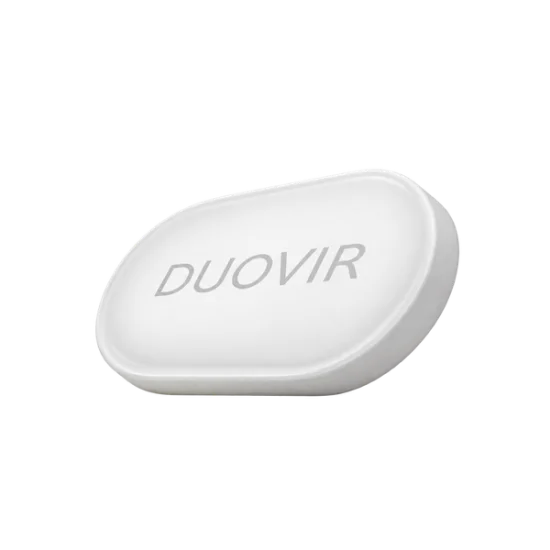
Duovir

Duovir

Active ingredient: Lamivudine, Zidovudine

3.9 5 reviews In stock Overview
Package

$296.13

$579.22 $592.26 Save 2%

$804.28 $1,184.52 Save 32%

Black Friday +8 free tablets with every order until Dec 2

Delivery: 4-7 business days

The two nucleoside reverse transcriptase inhibitors suppress HIV replication and help preserve immune function when used as part of a complete antiretroviral regimen. Consistent dosing is essential because missed doses can allow viral replication and resistance to develop. [1]

Overview

Duovir is taken orally as a fixed-dose tablet containing lamivudine and zidovudine for adults living with HIV infection.

Dosage and administration

Duovir is taken by mouth according to the individual regimen prescribed for HIV treatment. The amount and schedule differ between strengths and between users, so there is no single dose that suits everyone.

  • Take each scheduled tablet at the same times each day.
  • Swallow it with water. It may be taken with or without food unless the prescribing regimen states otherwise.
  • Do not split, crush, or chew the tablet unless a prescriber has specifically confirmed that this is suitable.
  • Continue the complete antiretroviral regimen, even when viral load becomes undetectable.
  • If a dose is missed, take it when remembered unless the next scheduled dose is near. Do not take two doses together.
  • Do not stop treatment without a specific medical plan, especially when hepatitis B is also present.

A missed dose is not corrected by taking extra tablets. Repeated missed doses are more serious because inconsistent drug exposure can permit HIV replication and promote resistance.

The FDA prescribing information for lamivudine and zidovudine describes administration as part of combination therapy and emphasizes adjustment or separate use of the components when kidney function makes the fixed combination unsuitable. [2]

A phone alarm linked to the same daily routine, such as brushing teeth, can reduce missed doses. Keep the timing consistent even on weekends and travel days.

One practical detail is easy to overlook: nausea can make a person skip later doses. Taking Duovir with a light meal may improve stomach comfort when food is permitted within the regimen.

Formulation

Duovir combines lamivudine and zidovudine, two nucleoside reverse transcriptase inhibitors, commonly abbreviated as NRTIs. It is prescribed for HIV infection as part of combination antiretroviral therapy.

Pharmacological role of Lamivudine

Lamivudine is a cytidine analogue.

Pharmacological role of Zidovudine

Zidovudine, also called azidothymidine or AZT, is a thymidine analogue.

How it affects the body

The active ingredients enter cells, undergo intracellular activation, and interfere with reverse transcriptase, an HIV enzyme required to convert viral RNA into DNA.

After entering cells, lamivudine is phosphorylated into its active triphosphate form. This active metabolite competes with natural nucleosides during viral DNA synthesis. Once incorporated into the growing viral DNA chain, it prevents further extension.

Lamivudine is also active against hepatitis B virus.

Cellular enzymes convert zidovudine into zidovudine triphosphate, which inhibits HIV reverse transcriptase and causes premature termination of viral DNA.

Therapeutic indications

It is prescribed for HIV infection as part of combination antiretroviral therapy.

Common mistakes

Several avoidable habits reduce the benefit of antiretroviral treatment:

  • Taking Duovir only on days when symptoms appear.
  • Stopping after a viral-load result becomes undetectable.
  • Doubling the next dose after a missed tablet.
  • Adding another lamivudine- or zidovudine-containing medicine without review.
  • Assuming fatigue is harmless without checking a blood count.
  • Forgetting to mention hepatitis B infection.
  • Using over-the-counter medicines or supplements without checking for interactions.
  • Sharing tablets with a partner or using another person’s treatment.
  • Continuing treatment despite severe pallor, breathlessness, fever, or unusual bruising.
  • Crushing or altering the tablet when swallowing is difficult without asking about an alternative formulation.

A common misconception is that two active ingredients in one tablet can replace the rest of an HIV regimen. Duovir supplies an NRTI backbone; it is not a complete treatment plan by itself.

Another mistake involves medication timing after vomiting. If vomiting occurs soon after a dose, the correct response depends on the timing, whether the tablet was visible, and the complete regimen. Repeating the dose automatically can lead to excess exposure.

Reasons not to use it

  • Severe anaemia or severe neutropenia.
  • Significant kidney impairment that prevents safe use of the fixed combination.
  • Advanced liver disease or active liver inflammation.
  • Previous severe reaction to lamivudine or zidovudine.
  • Concurrent treatment that duplicates lamivudine or zidovudine.
  • Concomitant zidovudine-related medicines that create excessive toxicity.
  • Medicines with strong bone-marrow-suppressing effects, including some cytotoxic treatments.
  • Active treatment with stavudine, which can antagonise zidovudine’s antiviral activity.
  • Ribavirin use, which may require specialist review because of potential interaction concerns.

[4] The National Institutes of Health (NIH) and the Centers for Disease Control and Prevention (CDC) also publish HIV treatment guidance.

When this is not for you

Duovir is not suitable for everyone. It may not be for you if you have severe anaemia or neutropenia, significant kidney or liver disease, a serious allergy to either ingredient, or a treatment plan that already contains lamivudine or zidovudine. The combination should not be used in a person with a known serious allergy to lamivudine, zidovudine, or an excipient in the formulation.

People living with HIV and hepatitis B need a planned transition if Duovir is stopped. Sudden withdrawal of lamivudine can cause a hepatitis B flare, sometimes with serious liver consequences.

Pregnancy does not automatically exclude lamivudine or zidovudine. Treatment decisions are made using current HIV and obstetric guidance, viral-load goals, resistance information, and the complete regimen. Breastfeeding advice also depends on local HIV guidance and individual clinical circumstances.

Possible side effects

Lamivudine and zidovudine can cause nausea, headache, tiredness, malaise, and diarrhoea. These effects may be mild, but persistent symptoms deserve review because they can also reflect anaemia, infection, liver disease, or another medicine.

Pattern Possible effects Clinical response
Common tolerability problems Nausea, headache, fatigue, diarrhoea, abdominal discomfort Maintain fluids, record timing, and report persistent or worsening symptoms
Blood-related toxicity Anaemia, neutropenia, reduced blood-cell production Blood-count monitoring and treatment review
Metabolic or hepatic concerns Muscle weakness, raised lactate, liver enlargement, fatty liver, worsening liver symptoms Prompt clinical assessment and laboratory testing
Hypersensitivity or severe illness Rash with fever, facial swelling, breathing difficulty, severe weakness Urgent medical assessment

Zidovudine is the component most associated with anaemia and neutropenia. The risk becomes more concerning in people with existing blood disorders, advanced HIV-related illness, kidney impairment, or other medicines that suppress bone marrow.

Rare mitochondrial effects can include lactic acidosis and hepatic steatosis. Warning symptoms include unexplained severe weakness, rapid breathing, persistent vomiting, abdominal pain, or marked muscle pain. These symptoms require prompt assessment rather than self-treatment.

The FDA label identifies haematological toxicity, lactic acidosis, hepatic steatosis, and immune-related complications among the clinically significant risks associated with lamivudine and zidovudine therapy. [3]

A simple symptom diary can show whether nausea or fatigue appears soon after each dose, remains constant, or follows another medicine. That pattern helps a clinician separate tolerability problems from unrelated illness.

A mild headache does not automatically require stopping treatment. New bruising, unusual paleness, shortness of breath on ordinary activity, fever, or repeated infections are more concerning because they can indicate reduced blood-cell production.

Comparison

Duovir provides a lamivudine–zidovudine NRTI backbone. Other backbones use different active ingredients and may be preferred when kidney disease, bone-health concerns, anaemia, resistance mutations, pregnancy considerations, or treatment history affect the choice.

Regimen category Main pharmacological distinction Selection considerations
Duovir: lamivudine plus zidovudine Two NRTIs, with zidovudine-related marrow and mitochondrial considerations May be considered when the clinical history and resistance profile support these ingredients
Tenofovir disoproxil fumarate plus emtricitabine Two different NRTIs with activity against HIV and hepatitis B Kidney function, bone health, hepatitis B status, and other medicines influence selection
Abacavir plus lamivudine Two NRTIs with an abacavir-specific hypersensitivity concern Requires attention to genetic risk testing, cardiovascular history, and hepatitis B status

Newer treatment strategies often use an integrase inhibitor with an NRTI backbone. Such regimens may offer a different resistance profile or tolerability pattern, yet they are not automatically appropriate for every patient.

Tenofovir disoproxil fumarate can require caution in renal or bone disease. Zidovudine can be less attractive when anaemia or neutropenia is already present. Abacavir requires assessment for hypersensitivity risk and cardiovascular factors. The decision belongs to the complete treatment history, not to the NRTI pair alone.

What doctors say

An HIV specialist usually evaluates three practical questions before continuing Duovir: Is viral suppression being maintained? Is the patient taking every scheduled dose? Are blood counts and organ-function results remaining acceptable?

Doctors often see adherence problems develop after a patient feels well. An undetectable viral load reflects treatment success, not permanent elimination of HIV. The medication continues to suppress viral replication only while the regimen is taken consistently.

Clinicians also pay attention to fatigue. It may come from zidovudine-related anaemia, HIV-related illness, sleep problems, depression, or another medicine. A blood count is more useful than guessing from symptoms alone. The timing of fatigue can help guide the review. Clinicians may also assess sleep, mood, nutrition, and other medicines.

Resistance testing becomes important when viral load rises during treatment. A rising viral load can result from missed doses, drug interactions, absorption problems, or resistant HIV. Changing one tablet without reviewing the complete regimen can leave the patient on an incomplete treatment strategy.

One further clinical detail matters: Duovir may not offer enough dosing flexibility for people whose kidney function changes. In that situation, doctors may prescribe lamivudine and zidovudine separately or select another backbone so each component can be adjusted appropriately.

Comparison

Acyclovir

Active ingredient: Acyclovir
1000mg
From $90.02
pills
4 (3)

Amantrel

Active ingredient: Amantadine
100mg
From $46.20
pills
3.9 (4)

Duovir Current

Active ingredient: Lamivudine, Zidovudine
1mg
From $296.13
pills
3.9 (5)

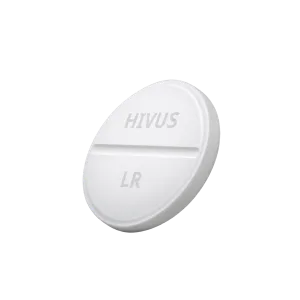
Hivus LR

Active ingredient: Lopinavir, Ritonavir
1mg
From $319.82
pills
4 (4)

Comparison table: Antivirals

Common questions

Is Duovir suitable for older adults?

Older adults may use lamivudine and zidovudine when the regimen is clinically appropriate, but kidney function, blood counts, liver function, and the number of other medicines require close review. The FDA prescribing framework highlights dose and toxicity concerns that become more relevant when organ function changes. WHO HIV guidance in 2025 continued to emphasize individualized treatment and management of comorbidities in aging populations. Age alone does not determine suitability, while anaemia and renal impairment can materially change the treatment choice.

What should happen after a missed Duovir dose?

Take the missed tablet when remembered unless the next scheduled dose is close, then skip the missed dose and return to the normal schedule. Never take two doses together to compensate. The FDA patient instructions from 2021 for lamivudine and zidovudine use this approach to limit accidental overexposure. If missed doses happen repeatedly, the WHO adherence framework supports identifying the practical cause, such as nausea, shift work, depression, or difficulty obtaining refills, rather than simply adding reminders.

What happens after stopping Duovir, and does it need tapering?

Duovir is generally not tapered in the way some medicines are tapered, but stopping it requires a planned change to the complete HIV regimen. Abrupt interruption can allow viral load to rise, and lamivudine withdrawal can trigger hepatitis B reactivation in people with coinfection. The WHO HIV guidance from 2021 supports continuity of antiretroviral therapy and structured management when treatment changes are necessary. The FDA information also warns that hepatitis B can worsen after lamivudine-containing treatment is discontinued.

Do you offer anonymous delivery?

Your order will be securely packed and shipped within 24 hours. This is exactly what your package will look like (images of an actual item sent). It has the size and look of a regular private letter (9.4x4.3x0.3 in.) and its contents cannot be seen.

Customer Feedback on Duovir

3.9 Based on 5 reviews
Gareth L., 63 Milwaukee Several months
Oct 13, 2026
Rating: 3 out of 5
I took one tablet twice daily for several months and used Duovir as part of my HIV regimen for several months. My viral-load results stayed suppressed, and I found the routine easier once I tied the tablets to breakfast and dinner. I still had some tired days, so my clinic checked my blood count rather than assuming it was just age.
David, 30 Houston Several months
Oct 22, 2026
Rating: 3 out of 5
I took one tablet twice daily for several months; Duovir fitted into my schedule and I noticed fewer problems with remembering the NRTI part of treatment. The first couple of weeks brought mild nausea, which settled when I took it with food. The effect was useful, though the twice-daily routine required more planning than I expected.
Oliver, 43 Boston Several months
Oct 25, 2026
Rating: 5 out of 5
I took one tablet twice daily for several months and used Duovir alongside the rest of my prescribed HIV treatment. My follow-up results showed sustained viral suppression, and the tablet was easy to include in my morning and evening routine. I was satisfied with how predictable the schedule became.
Simon T., 50 Nashville Several months
Nov 5, 2026
Rating: 4 out of 5
I took one tablet twice daily for several months; Duovir gave me a straightforward way to take the lamivudine and zidovudine portion of treatment. After I set two reminders, I rarely missed a dose. The main benefit for me was having a stable routine that did not interrupt workdays.
Ryan, 43 Raleigh Several months
Nov 10, 2026
Rating: 4.5 out of 5
I took one tablet twice daily for several months and used Duovir within a complete regimen and felt more confident once the dosing times became habitual. My energy and general wellbeing improved as treatment continued, while regular follow-up kept the plan on track. The tablet itself was uncomplicated to take.

Sources

  1. FDA (Food and Drug Administration) (2021). Combivir (lamivudine and zidovudine) Tablets: Prescribing Information
  2. FDA (Food and Drug Administration) (2021). Retrovir (zidovudine) Capsules, Tablets, and Oral Solution: Prescribing Information
  3. FDA (Food and Drug Administration) (2021). Epivir (lamivudine) Tablets and Oral Solution: Prescribing Information
  4. WHO (World Health Organization) (2021). Consolidated Guidelines on HIV Prevention, Testing, Treatment, Service Delivery and Monitoring: Recommendations for a Public Health Approach
Get our free app Shop faster and track your orders 4.0 · 378 reviews Install