- Worldwide Delivery
- Quality Guaranteed
- Bonus pills
- 24/7 Support
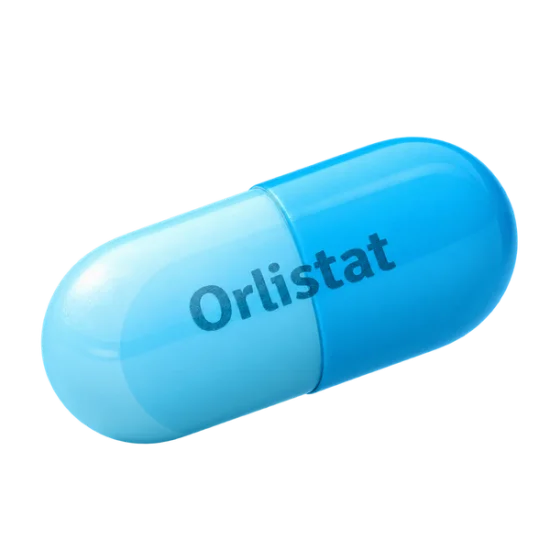
Orlistat supports weight loss in adults with obesity or overweight by reducing the absorption of dietary fat in the intestine. It is used with a reduced-calorie, low-fat diet and regular activity.
Overview
Its local gastrointestinal action offers a non-stimulant approach to weight management.
Orlistat belongs to the lipase inhibitor class.
Dosage and administration
The regimen for the selected Orlistat strength should be confirmed with a healthcare professional before starting. The capsule is taken by mouth with a meal that contains fat, or shortly after that meal. It is generally omitted when a meal contains no fat.
- Swallow the capsule with water.
- Use it with the main meal or soon after eating.
- Skip the dose associated with a completely fat-free meal.
- Do not take extra capsules after a missed dose.
- Follow the prescribed daily schedule rather than adjusting it according to appetite.
- Keep dietary fat moderate and distribute it across the day.
Do not crush, open, or chew the capsule unless a healthcare professional gives a specific instruction for the product. Altering a capsule can change how the medicine is delivered and may worsen local gastrointestinal effects.
High-fat meals are the most common cause of treatment problems. They can lead to oily spotting, loose stools, faecal urgency, gas with discharge, and difficulty controlling bowel movements. These effects are pharmacological consequences of undigested fat, not signs that a larger dose is working better.
If a dose is missed, do not double the next dose. Resume the usual schedule with the next appropriate meal.
Formulation
Orlistat is the active substance and belongs to the lipase inhibitor class. Its local gastrointestinal action reduces the absorption of dietary fat in the intestine and provides a non-stimulant approach to weight management.
How it affects the body
Orlistat belongs to the lipase inhibitor class. It blocks gastric and pancreatic lipases, the enzymes that break dietary fat into smaller molecules for absorption. Unabsorbed fat then passes through the digestive tract rather than contributing its full calorie content.
The effect is local. Orlistat has little systemic absorption, so it does not work by suppressing appetite through the central nervous system. Clinical information from the FDA describes reduced dietary fat absorption as the foundation of its weight-management effect [1].
Lipase inhibition in plain language
Dietary fat must be digested before the intestine can absorb it. Orlistat binds to digestive lipases and reduces their activity. A proportion of consumed fat remains undigested and leaves the body in the stool.
Therapeutic indications
Orlistat is used for weight management in adults with obesity or overweight when excess weight creates a meaningful health risk. Treatment works best as part of a structured plan that includes reduced calorie intake, lower dietary fat, and physical activity.
Clinical assessment commonly considers body mass index, waist circumference, blood pressure, glucose status, lipid levels, sleep apnoea, and cardiovascular risk. A BMI of 30 or above falls within the obesity range. A BMI of 27 or above may support pharmacological treatment when weight-related conditions are present, such as type 2 diabetes, hypertension, or abnormal blood lipids.
BMI is a screening measure, not a complete diagnosis. Muscle mass, ethnicity, age, and existing medical conditions can change how BMI should be interpreted.
Orlistat may suit adults who:
- Need support with gradual weight reduction.
- Prefer a non-stimulant treatment.
- Can follow a reduced-calorie, low-fat eating pattern.
- Need an option that acts mainly in the digestive tract.
- Require support with maintaining weight loss after an initial reduction.
Weight loss medicines do not replace dietary planning. The medicine reduces absorption of some dietary fat, while food choices determine how much fat reaches the intestine and how severe digestive effects may become.
Common mistakes
Several practical mistakes reduce tolerability or create confusion about results:
- Taking Orlistat with every meal, including meals that contain no fat.
- Eating very low-fat meals all day, then consuming one high-fat meal at night.
- Doubling a dose after forgetting a capsule.
- Taking a multivitamin at the same time as Orlistat.
- Ignoring persistent diarrhoea or reduced urination.
- Changing warfarin, levothyroxine, or cyclosporine timing without clinical guidance.
- Expecting the capsule to suppress hunger.
- Stopping dietary tracking because the medicine is being used.
- Taking a capsule with a snack that contains little nutritional value but substantial hidden fat.
- Crushing or opening the capsule.
One subtle source of excess fat is liquid food. Cream-based coffee drinks, dressings, fried toppings, and small snack portions can add more fat than expected even when the main meal appears modest.
Another common mistake is judging treatment after only a few days. Weight varies with fluid, bowel contents, sodium intake, and menstrual cycle, so a consistent trend is more informative than a single measurement.
Reasons not to use it
Orlistat is not suitable for everyone. It should not be used by people with:
- Chronic malabsorption syndromes.
- Cholestasis or impaired bile flow.
- A known allergy to orlistat or an excipient in the capsule.
- A history of serious reaction to the medicine.
- Pregnancy, unless a specialist has identified an exceptional clinical reason.
Extra caution is needed with:
- Cyclosporine.
- Warfarin and other anticoagulation plans affected by vitamin K.
- Levothyroxine.
- Kidney stone history.
- Liver disease.
- Gallbladder disease.
- Recurrent diarrhoea or dehydration.
- Diabetes treatment, because weight loss and dietary changes can alter glucose control.
The FDA and EMA safety information also supports attention to severe liver symptoms, renal complications, and vitamin absorption during treatment [3].
When this is not for you
Orlistat is NOT for you if you have chronic malabsorption, cholestasis, or an allergy to orlistat. Breastfeeding requires a specific risk assessment because the effect on maternal nutrient absorption can influence nutritional status. Orlistat is generally avoided during breastfeeding unless a clinician determines that treatment is appropriate.
Possible side effects
The most frequent adverse effects involve the bowel. They include oily stools, increased bowel movements, urgency, loose stools, abdominal discomfort, flatulence, and oily rectal leakage. These effects tend to appear more often when dietary fat intake is high.
The FDA prescribing information identifies gastrointestinal reactions as the characteristic tolerability issue with orlistat [2]. NICE and the MHRA publish related weight-management guidance. They may improve when meals contain less fat and when fat is spread more evenly between meals.
Common practical problems include:
- Oily staining of underwear.
- Sudden urgency after a high-fat meal.
- Increased gas with bowel leakage.
- Loose or frequent stools.
- Abdominal cramps or bloating.
A less common concern is reduced absorption of fat-soluble vitamins. Orlistat can lower absorption of vitamins A, D, E, and K, as well as other nutrients carried with dietary fat. A multivitamin may be recommended, usually taken at least two hours apart from Orlistat or at bedtime.
Rare but clinically serious reactions require prompt medical assessment. These include symptoms suggesting liver injury, such as persistent severe tiredness, yellowing of the skin or eyes, dark urine, pale stools, or pain beneath the right ribs. Kidney stones may occur, especially in people at risk of oxalate-related stones. Gallbladder disease and gallstones also require attention when significant upper abdominal pain develops.
One detail patients often overlook is the effect of prolonged diarrhoea. Fluid loss can worsen dizziness, kidney function, and electrolyte balance, especially in older adults or people taking diuretics.
Comparison
Orlistat acts mainly in the intestine. Other weight-management medicines act through appetite regulation, satiety signalling, or central nervous system pathways.
| Treatment category | Main mechanism and practical distinction |
|---|---|
| Orlistat | Lipase inhibition in the intestine; oral treatment with gastrointestinal side effects linked to dietary fat. |
| GLP-1 receptor agonists such as liraglutide | Promote satiety and slow gastric emptying; administered by injection and associated with gastrointestinal effects. |
Orlistat may be considered when a person prefers an oral, non-stimulant approach. Its limitation is clear: it does not directly reduce hunger, and its gastrointestinal effects can be inconvenient. Medicines with stronger appetite effects may produce different results but also introduce systemic adverse effects and, in some cases, injection use.
What doctors say
In clinical practice, doctors often focus first on meal composition rather than on increasing the medicine. A patient eating large, high-fat meals is more likely to experience urgency and oily stools, while a moderate-fat meal pattern usually produces a more manageable response.
Physicians also assess whether the person can maintain treatment long enough to judge its value. Early digestive effects are common, but persistent severe diarrhoea, dehydration, or nutritional concerns require a treatment review.
A doctor may monitor body weight, waist measurement, blood pressure, glucose, lipid levels, kidney function, and vitamin status according to the patient’s risk profile. For people with diabetes, glucose-lowering treatment may need adjustment as weight and food intake change.
The clinical goal is not to remove all dietary fat. Fat remains necessary for essential fatty acids and absorption of some nutrients. The goal is a balanced reduced-calorie plan that avoids large fat loads at individual meals.
Comparison
Common questions
Can Orlistat be combined with vitamins, warfarin, or other medicines?
Orlistat can be combined with some treatments, but vitamin absorption and drug levels require attention. FDA prescribing information from 2012 highlights concerns involving cyclosporine, warfarin-related anticoagulation, levothyroxine, and fat-soluble vitamins. A multivitamin is generally separated from Orlistat by at least two hours. Warfarin users may need INR monitoring when Orlistat or vitamin supplementation changes.
How long does an Orlistat course last, and is long-term use acceptable?
The length of treatment depends on weight response, tolerability, nutritional status, and associated health conditions. FDA prescribing information from 2012 supports continued use when the medicine is tolerated and produces meaningful benefit alongside lifestyle measures. Long-term treatment requires attention to vitamins, kidney symptoms, liver symptoms, bowel effects, and interactions. A course should be reassessed rather than continued automatically.
How soon does the effect of Orlistat become noticeable?
Digestive effects can appear after the first fat-containing meals, while measurable weight change takes longer. EMA patient information from 2018 describes the medicine as part of a reduced-calorie diet rather than a rapid appetite treatment. Weight should be assessed through a trend over several weeks, not by day-to-day changes. Dietary fat intake strongly influences the first noticeable effects.
Can the Orlistat capsule be split, crushed, or chewed?
Swallow the capsule whole. FDA prescribing information from 2012 describes oral administration with meals containing fat and does not support chewing or opening the capsule as a routine method. Altering the capsule can make administration less predictable and may worsen gastrointestinal exposure. A missed dose should not be replaced with a double dose.
Can Orlistat be used during pregnancy or breastfeeding?
Orlistat is not routinely used during pregnancy because intentional weight loss is not an appropriate treatment goal during pregnancy. WHO guidance from 2025 supports individual assessment of maternal nutritional needs and avoiding unnecessary restriction of fat-soluble nutrients. Breastfeeding also requires a specific clinical decision because reduced fat absorption may affect maternal nutrition. Pregnancy, planned pregnancy, or breastfeeding should be disclosed before starting treatment.
Do you offer anonymous delivery?
Your order will be securely packed and shipped within 24 hours. This is exactly what your package will look like (images of an actual item sent). It has the size and look of a regular private letter (9.4x4.3x0.3 in.) and its contents cannot be seen.
Formulation and regulatory differences
A patient should use the regimen selected for the specific strength. Taking extra capsules does not produce proportionally greater weight loss and can increase oily stools, urgency, and abdominal discomfort.
Customer Feedback on Orlistat
Sources
- U.S. Food and Drug Administration (2024). Xenical (orlistat) Prescribing Information
- U.S. Food and Drug Administration (2012). Xenical (orlistat) Prescribing Information
- European Medicines Agency (2018). Xenical (orlistat) Package Leaflet