Skip to content

Black Friday +8 free tablets with every order Nov 19 – Dec 2

Phentermine

Phentermine

Active ingredient: Phentermine

4.4 4 reviews In stock Overview
Package

$300.76

$524.27 $601.52 Save 13%

$730.27 $1,203.04 Save 39%

Black Friday +8 free tablets with every order until Dec 2

Delivery: 4-7 business days

Adults with obesity, or overweight adults with weight-related health risks, may receive Phentermine as a prescription short-term aid to diet and physical activity. It is a sympathomimetic amine anorectic that reduces appetite through central norepinephrine signaling.

Overview

Phentermine contains the active substance phentermine, a central nervous system stimulant classified as a sympathomimetic amine anorectic. The medicine is taken orally and acts mainly on appetite regulation.

Dosage and administration

The medicine is taken orally and acts mainly on appetite regulation. It is not a replacement for meals, movement, sleep, or treatment of an underlying endocrine disorder.

Phentermine dosing differs between strengths and between users, so there is no single amount that suits everyone. The prescribed dose depends on the formulation, treatment response, age, cardiovascular status, sleep pattern, and other medicines.

Standard strengths and formulations

Phentermine is available as oral tablets and capsules in different strengths. A commonly prescribed formulation contains phentermine hydrochloride. The exact daily amount should come from the prescriber’s regimen rather than from a generalized schedule.

Typical administration principles include:

  • Take the prescribed amount by mouth at the scheduled time.
  • Use an early-morning dose when the regimen is once daily.
  • Swallow the formulation as directed; do not alter an extended-release product.
  • Follow the planned duration because Phentermine is intended for short-term treatment.
  • If a dose is missed, take it when remembered early enough to avoid sleep disturbance, unless the next scheduled dose is near.
  • Do not double the next dose after a missed dose.
  • Avoid adding stimulant-containing products without checking for an interaction.

The FDA prescribing information describes dose selection according to individual response and tolerability rather than one universal amount [2]. Appetite suppression should not be used as a reason to skip hydration or balanced meals.

One practical detail is easy to miss: a morning dose may still affect sleep in people who metabolize stimulants slowly. Persistent insomnia is a treatment issue, not a reason to shift the dose to evening.

Formulation

Phentermine contains the active substance phentermine, a central nervous system stimulant classified as a sympathomimetic amine anorectic.

How it affects the body

Phentermine increases noradrenergic signaling in brain regions involved in hunger and alertness. Norepinephrine is a neurotransmitter that helps regulate arousal, attention, and appetite. Increased signaling can make hunger feel less urgent, which may help a person follow a reduced-calorie eating plan.

Phentermine is pharmacologically different from appetite treatments that act on glucagon-like peptide-1 or glucose-dependent insulinotropic polypeptide pathways. It also differs from selective serotonin reuptake inhibitors, which primarily alter serotonin signaling rather than central noradrenergic appetite pathways.

Therapeutic indications

Adults with obesity, or overweight adults with weight-related health risks, may receive Phentermine as a prescription short-term aid to diet and physical activity.

The FDA recognizes it for short-term use alongside calorie reduction, physical activity, and behavioral changes in suitable adults with obesity or excess weight linked to medical risk [1].

Common mistakes

The following mistakes can reduce benefit or increase adverse effects:

  • Taking the dose late because the morning dose was forgotten.
  • Increasing the amount when the initial appetite effect fades.
  • Treating dry mouth with excessive caffeinated beverages.
  • Skipping meals and then experiencing rebound hunger later in the day.
  • Ignoring rising blood pressure, persistent palpitations, or several nights of poor sleep.
  • Stopping and restarting repeatedly without discussing tolerance or withdrawal-like fatigue.
  • Assuming that a combination product has the same precautions as Phentermine alone.
  • Using Phentermine to stay awake rather than for prescribed weight management.

Do not crush or split an extended-release combination product. Altering the release system can change exposure and increase adverse effects.

A second common error is judging treatment only by the bathroom scale. Waist measurement, blood pressure, activity tolerance, hunger intensity, and sleep may show clinically useful changes before weight changes become obvious.

Reasons not to use it

Avoid Phentermine when any of the following applies unless a qualified prescriber has specifically resolved the issue:

  • Current cardiovascular disease, uncontrolled hypertension, serious arrhythmia, or a history of stimulant-related cardiac problems.
  • Hyperthyroidism.
  • Glaucoma.
  • Agitated states or severe uncontrolled anxiety.
  • A history of drug misuse that could make stimulant treatment unsafe.
  • Pregnancy or breastfeeding unless a specialist has provided a specific alternative plan.
  • Use of a monoamine oxidase inhibitor, or MAOI, within the prohibited interaction period.
  • Known allergy to phentermine or a formulation component.

Phentermine must not be combined with MAOIs because excessive catecholamine activity can cause a dangerous rise in blood pressure. Other stimulants, decongestants, certain antidepressants, and medicines that affect blood pressure also require a medication review.

The Endocrine Society’s obesity guidance supports selecting pharmacotherapy according to cardiovascular risk, psychiatric history, comorbidities, and the patient’s ability to follow lifestyle treatment [4].

When this is not for you

Phentermine is not suitable for every person seeking weight reduction. NOT for you if you have uncontrolled hypertension, cardiovascular disease, glaucoma, hyperthyroidism, pregnancy, or a high risk of stimulant misuse. It is a Schedule IV controlled substance in the United States, which reflects misuse and dependence potential as well as the need for controlled prescribing.

Possible side effects

Phentermine’s adverse effects reflect its sympathomimetic activity. Common complaints include dry mouth, constipation, nervousness, restlessness, headache, tremor, and insomnia. Some patients also notice palpitations or a rise in blood pressure.

The FDA label identifies cardiovascular and central nervous system reactions among the clinically relevant risks [3]. A person with new chest pain, fainting, severe shortness of breath, marked agitation, or an unusually fast or irregular heartbeat needs urgent medical assessment.

Common sympathomimetic adverse events

Dry mouth may improve with regular water intake and sugar-free gum, provided fluid restriction is not medically required. Constipation can worsen when appetite falls and meals become smaller, especially if fiber and fluid intake also decline.

Insomnia is often linked to late administration, caffeine, or an unnecessarily stimulating daily routine. Anxiety and irritability can appear even when the appetite effect is useful.

Record resting pulse, sleep quality, bowel habits, and appetite during the first treatment period. A short daily note gives the prescriber more useful information than relying on memory during a follow-up.

Phentermine can also lead to tolerance, meaning the appetite effect may become less noticeable with continued exposure. Increasing the amount without medical direction raises risk and does not reliably restore benefit.

Risks associated with combination formulations

Paresthesia means tingling or pins-and-needles sensations, often in the hands, feet, or face. Dysgeusia means a change in taste. Sleep can suffer. Pulse may rise. Topiramate can also reduce sweating, which matters during heat exposure or strenuous activity.

Comparison

Phentermine works through central noradrenergic appetite suppression. Other obesity treatments act through gastrointestinal fat absorption, incretin hormones, or combined central pathways.

Treatment approach Main pharmacological action Practical distinction
Phentermine Sympathomimetic appetite suppression through norepinephrine signaling Oral, stimulant-related effects, generally short-term use
Phentermine plus extended-release topiramate Appetite suppression combined with topiramate effects Additional risks include cognitive effects, paresthesia, metabolic acidosis, and kidney stones
GLP-1/GIP agonist therapy Incretin-based appetite and glucose regulation Usually longer-term treatment; gastrointestinal effects and injection or specialized administration may apply

Clinical selection depends on blood pressure, diabetes, sleep, psychiatric symptoms, gastrointestinal tolerance, pregnancy potential, kidney history, and the desired treatment duration. A stimulant may be unsuitable for someone with uncontrolled hypertension, while an incretin-based treatment may require careful assessment in a person with severe gastrointestinal disease.

The American Association of Clinical Endocrinology emphasizes matching obesity treatment to complications, contraindications, patient preferences, and response over time [5]. Weight change is only one outcome; blood pressure, physical function, sleep, glucose control, and eating behavior also matter.

What doctors say

In clinical practice, physicians usually assess three points before continuing Phentermine: whether appetite has meaningfully improved, whether weight-related health measures are moving in the desired direction, and whether pulse, blood pressure, sleep, and mood remain acceptable.

A useful response is not defined by a dramatic first week. Early appetite reduction can be strong, while the longer-term result depends on meal structure, activity, sleep, and continued follow-up. Loss of effect, escalating cravings, or a need to take more than prescribed may indicate tolerance or an unsuitable treatment plan.

Doctors also distinguish hunger from emotional eating, night eating, medication-related weight gain, untreated sleep apnea, and endocrine disease. Phentermine may reduce physiological appetite without resolving these other drivers.

One clinical detail matters: a lower appetite can conceal inadequate protein, fiber, or fluid intake. The treatment plan should preserve nutritional quality rather than focus only on eating less.

Comparison

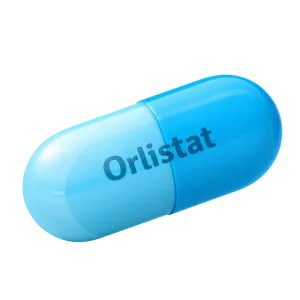
Orlijohn

Active ingredient: Orlistat
60mg
From $62.11
pills
3.8 (5)

Orlijohn Capsule

Active ingredient: Orlistat
120mg
From $68.70
pills
3.8 (3)

Orlistat

Active ingredient: Orlistat
60mg
From $48.61
pills
4.2 (3)

Phentermine Current

Active ingredient: Phentermine
37.5mg
From $300.76
pills
4.4 (4)

Comparison table: Weight Loss

Common questions

Can diet, exercise, or daily habits change the result of Phentermine?

Yes. A calorie-controlled eating plan, regular movement, adequate protein, and consistent sleep support the treatment response. The FDA prescribing information from 2012 describes Phentermine as a short-term adjunct to dietary restriction rather than a stand-alone treatment. The National Institutes of Health obesity guidance published in 2023 also supports combining medication with nutrition, activity, and behavioral strategies. Large amounts of caffeine, irregular sleep, and skipped meals can worsen nervousness, insomnia, and rebound hunger. Follow-up helps assess tolerability and progress.

Is Phentermine suitable for people under 18?

Phentermine is not routinely appropriate for children or younger teenagers. The FDA labeling from 2012 limits its indicated use to adults and requires individualized medical judgment for younger patients. The American Academy of Pediatrics clinical guideline published in 2023 recommends structured evaluation and age-appropriate obesity treatment rather than unsupervised stimulant use. Growth, puberty, cardiovascular status, mental health, and eating-disorder risk require careful assessment.

What happens after stopping Phentermine, and does it need tapering?

Appetite may return after stopping because the medicine’s central noradrenergic effect ends. The FDA prescribing information from 2012 warns against prolonged or unsupervised use and describes the need for appropriate clinical management. A person who has used Phentermine regularly may experience fatigue, low mood, or increased appetite after discontinuation, although the severity varies. Whether tapering is appropriate depends on the regimen, duration, symptoms, and prescriber’s assessment; do not create a taper independently.

Can older adults use Phentermine?

Older adults may have greater sensitivity to stimulant effects, including increased blood pressure, palpitations, anxiety, sleep disruption, or urinary difficulties. The FDA label from 2012 advises caution in older patients because kidney function and cardiovascular reserve may be reduced. The American Geriatrics Society Beers Criteria published in 2023 identifies stimulant-related concerns that deserve review in older adults. Blood pressure, pulse, kidney function, sleep, glaucoma risk, and all concurrent medicines should be assessed before treatment.

What should be discussed with a doctor before starting Phentermine?

Bring a full list of medicines and supplements, including MAOIs, antidepressants, decongestants, caffeine products, and other stimulants. FDA safety information from 2012 identifies cardiovascular disease, hyperthyroidism, glaucoma, agitated states, pregnancy, and MAOI use as key concerns. The Endocrine Society guideline published in 2015 supports reviewing weight-related conditions, treatment goals, contraindications, and follow-up measures before prescribing. Discuss blood pressure, heart rhythm, sleep, anxiety, previous substance-use problems, pregnancy potential, and the intended treatment duration.

Do you offer anonymous delivery?

Your order will be securely packed and shipped within 24 hours. This is exactly what your package will look like (images of an actual item sent). It has the size and look of a regular private letter (9.4x4.3x0.3 in.) and its contents cannot be seen.

Customer Feedback on Phentermine

4.4 Based on 4 reviews
Ian, 42 Houston Several weeks
Nov 19, 2026
Rating: 3.5 out of 5
I used Phentermine for several weeks and noticed less snacking between meals by the second week. It helped me follow a structured eating plan, but I had mild trouble sleeping when I took it later than usual, so the timing mattered.
David D., 44 Phoenix The first month
Nov 25, 2026
Rating: 5 out of 5
Phentermine made it easier to stop eating after a normal portion. I felt satisfied with the progress over the first month and found the morning schedule simple to follow.
John, 48 Portland
Oct 27, 2026
Rating: 4 out of 5
I had a clear reduction in afternoon cravings after starting treatment. The benefit was practical rather than dramatic, but it helped me keep regular meals and stay consistent with walking.
Colin, 61 Memphis
Nov 12, 2026
Rating: 5 out of 5
Phentermine helped reduce the constant feeling that I needed to eat. I appreciated that the routine was straightforward and that I could focus more on meal planning during the day.

Sources

  1. U.S. Food and Drug Administration (2012). Adipex-P (phentermine hydrochloride) Prescribing Information.
  2. U.S. Food and Drug Administration (2012). Phentermine Hydrochloride Capsules and Tablets Prescribing Information.
  3. U.S. Food and Drug Administration (2022). Qsymia (phentermine and topiramate extended-release) Prescribing Information.
  4. The Endocrine Society (2015). Pharmacological Management of Obesity: An Endocrine Society Clinical Practice Guideline.
  5. American Association of Clinical Endocrinology (2022). Clinical Practice Guideline for the Diagnosis and Management of Obesity.
Get our free app Shop faster and track your orders 4.0 · 396 reviews Install