
Peter, 49
Oct 12, 2026
I had repeated high readings and felt more settled after starting treatment. The improvement was gradual, and keeping a written morning log helped me see the change clearly.
Black Friday +8 free tablets with every order Nov 19 – Dec 2
Angiotensin-related medicines influence the hormone system that helps regulate blood pressure and fluid balance. They are used in selected adults with hypertension or acute distributive shock, depending on the medicine, by reducing vascular resistance or modifying the Renin–Angiotensin–Aldosterone System.
Angiotensin II human is an octapeptide hormone. The mature circulating peptide is formed through enzymatic cleavage from angiotensin I. Aliskiren is a direct Renin Inhibitor. It binds renin and prevents renin from converting angiotensinogen into angiotensin I.
Angiotensin II used therapeutically is administered by intravenous infusion in an acute-care setting. The regimen for the chosen strength must be confirmed with a healthcare professional before starting. Treatment is adjusted according to blood-pressure response and clinical perfusion rather than taken as a routine oral tablet.
For medicines that modify the RAAS over the long term, administration commonly involves:
Do not make a dose change based on one home blood-pressure reading. Blood pressure varies with pain, stress, caffeine, exercise, posture, and the time of day.
The FDA label for aliskiren describes important limitations when it is combined with medicines that affect the RAAS, including increased risks of hypotension, hyperkalaemia, and renal impairment in specific groups [2].
Angiotensin II human is an octapeptide hormone. Its amino acid sequence is Asp-Arg-Val-Tyr-Ile-His-Pro-Phe, followed by the C-terminal His-Leu segment in the precursor-processing description commonly used for the human peptide. The mature circulating peptide is formed through enzymatic cleavage from angiotensin I.
| Property | Angiotensin II human |
|---|---|
| CAS number and formula | 4474-91-3; C50H71N13O12 |
| Molecular weight | 1046.18 |
| Primary biological role | Vasoconstriction, aldosterone release, and renal sodium regulation |
Aliskiren is a direct Renin Inhibitor. It binds renin and prevents renin from converting angiotensinogen into angiotensin I. Because this occurs at the beginning of the Renin–Angiotensin–Aldosterone System, the treatment reduces formation of angiotensin I and the later production of angiotensin II.
At the cellular level, Angiotensin II binds mainly to the AT1 receptor, a G-protein-coupled receptor. AT1 activation stimulates Gq protein, which activates phospholipase C and increases intracellular inositol trisphosphate and diacylglycerol. Calcium release from intracellular stores then supports contraction of vascular smooth muscle.
Angiotensin II also acts at the sodium-hydrogen exchanger, especially in renal tubular cells. This promotes sodium reabsorption and influences acid–base handling. The combined effects explain why the peptide affects both vascular tone and extracellular fluid volume.
The AT2 receptor produces a different signalling profile in several tissues. Its effects can include vasodilation, antiproliferative signalling, and tissue-remodelling responses. The balance between AT1 and AT2 activity varies with age, tissue type, disease state, and treatment.
Hypertension treatment is selected according to blood-pressure level, kidney function, diabetes status, cardiovascular disease, age, pregnancy potential, and the medicines already being used. RAAS-targeted treatment can be useful when excessive angiotensin activity contributes to vascular resistance or fluid retention.
The FDA describes angiotensin II as a direct vasoconstrictor used in selected adults with distributive shock who remain hypotensive despite standard management [1]. That clinical use differs from the normal endocrine role of angiotensin II in day-to-day blood-pressure control.
Lowering blood pressure reduces the probability of stroke and other cardiovascular complications over time. The benefit comes from sustained control rather than from a single reading.
Home monitoring works best when measurements are taken after several minutes of quiet sitting, with the cuff placed correctly and the arm supported. Repeated readings are more informative than reacting to a single high result.
A common hidden problem is irregular timing. Taking a medicine at widely different times can make symptom patterns and blood-pressure readings harder to interpret. Consistent timing gives the clinical team cleaner information.
Nonsteroidal anti-inflammatory drugs can reduce the blood-pressure effect of some RAAS medicines and increase kidney stress, especially when combined with a diuretic. Potassium supplements and potassium-containing salt substitutes can raise serum potassium. Other potassium-sparing medicines, including mineralocorticoid receptor antagonists, may have the same concern.
Lithium levels can rise with several blood-pressure medicines, including some that influence renal sodium handling. Digoxin, diuretics, and medicines that lower blood pressure can also require careful review when a person is receiving acute-care angiotensin II infusion.
This treatment approach is not for you if a clinician has identified a contraindication such as severe low blood pressure, untreated shock from a different cause, or a serious previous reaction to the relevant medicine.
Pregnancy requires special attention. The WHO hypertension guideline advises selecting pregnancy-compatible blood-pressure treatment and avoiding RAAS-blocking agents that can harm fetal kidney development [3]. Breastfeeding decisions depend on the exact medicine, timing, maternal condition, and the infant’s age.
The effects of angiotensin-related treatment depend on whether the intervention is direct angiotensin II infusion, renin inhibition, ACE inhibition, AT1-receptor blockade, or another form of RAAS modulation.
Potential effects of therapeutic angiotensin II infusion include:
Oral RAAS-blocking treatments can cause dizziness, increased potassium, changes in kidney function, and symptomatic low blood pressure. ACE inhibitors can also cause a persistent dry cough and, rarely, angioedema. AT1-receptor blockers are less likely to cause cough but still require attention to kidney function and potassium.
A mild light-headed feeling when standing can occur after blood pressure falls. Persistent dizziness, fainting, confusion, very low urine output, swelling of the lips or tongue, or severe weakness requires prompt medical attention.
One detail patients often miss is the effect of dehydration. A person may tolerate a RAAS medicine during normal hydration but feel unwell after heavy sweating, gastrointestinal illness, or very low fluid intake.
Another easily overlooked issue is the salt substitute used at home. Many contain potassium chloride. Adding one while taking a medicine that raises potassium can create a clinically significant problem.
This upstream position differs from angiotensin-converting enzyme inhibition, which reduces conversion of angiotensin I into angiotensin II. It also differs from AT1-receptor blockade, which leaves angiotensin II present but limits its main receptor-mediated effects.
| Treatment approach | Main pharmacological action | Typical clinical role |
|---|---|---|
| Direct renin inhibition | Reduces renin-driven formation of angiotensin I and II | Selected hypertension treatment |
| ACE inhibition or AT1 blockade | Reduces angiotensin II formation or receptor signalling | Hypertension, kidney protection in selected patients |
| Thiazide diuretic therapy | Increases sodium and water excretion | Volume-sensitive or uncomplicated hypertension |
In clinical practice, doctors usually separate three questions: whether blood pressure is high, whether RAAS activation is contributing, and whether the chosen medicine fits the patient’s kidney, potassium, and pregnancy profile.
For acute hypotension, angiotensin II is a hospital intervention rather than a routine outpatient product. The FDA indication concerns adults with distributive shock who remain hypotensive despite fluid management and vasopressor treatment. That context matters because a medicine designed to restore vascular tone in critical illness is not used in the same way as a daily antihypertensive.
For chronic hypertension, doctors usually judge treatment by repeated readings and cardiovascular risk. A good response may take adjustment of one medicine, addition of a diuretic, or a change to another class. The aim is sustained control without dizziness, kidney injury, or potassium disturbance.
Clinicians also look beyond the blood-pressure number. They review urine output, creatinine, potassium, falls, fatigue, adherence, diet, alcohol intake, sleep, and medicines obtained without a prescription. A patient who reports “normal readings” but has repeated faintness may need a different plan.
The EMA product information for therapeutic angiotensin II describes monitoring for vascular, cardiac, renal, and thrombotic effects during treatment [4]. This supports a monitored clinical approach rather than unsupervised use.
Older adults can receive RAAS-active treatment, but kidney function, potassium, hydration, falls, and other medicines need close review. The American College of Cardiology and American Heart Association hypertension guidance published in 2017 supports individualized blood-pressure treatment according to comorbidity and tolerance. Age alone does not determine the regimen. Follow-up should include symptom and laboratory review. A lower starting intensity or slower adjustment may be appropriate when orthostatic dizziness or frailty is present.
Before treatment, discuss kidney disease, high potassium, dehydration, pregnancy potential, previous angioedema, and every medicine or supplement being used. FDA prescribing information from 2017 identifies clinically relevant risks involving hypotension, renal function, potassium, and interacting RAAS therapies. Include nonsteroidal anti-inflammatory drugs and potassium-containing salt substitutes in the medication history. Blood-pressure readings and recent laboratory results can help the clinician select a safer plan.
A lower-sodium eating pattern, regular physical activity suited to fitness level, moderate alcohol intake, adequate sleep, and weight management can support blood-pressure control. The WHO hypertension guideline published in 2021 links lifestyle measures with improved cardiovascular risk management. Avoid sudden extreme exercise when blood pressure is poorly controlled or dizziness is present. Do not increase potassium intake through supplements or salt substitutes without accounting for kidney function and the prescribed RAAS treatment.
Pregnancy changes the choice of blood-pressure treatment because several RAAS-blocking medicines can harm fetal kidney development. WHO guidance published in 2021 supports the use of pregnancy-appropriate alternatives and avoidance of medicines that affect the fetal RAAS. Breastfeeding requires a separate assessment based on the exact active substance, maternal indication, and infant factors. Angiotensin II infusion is an acute-care treatment, so its use during pregnancy or breastfeeding requires specialist risk assessment.
Long-term RAAS treatment can be appropriate when blood pressure, kidney function, and potassium remain acceptable. The American College of Cardiology and American Heart Association guideline from 2017 supports ongoing treatment guided by repeated blood-pressure measurements and cardiovascular risk. Duration is not determined by a fixed course for every patient. Some people need lifelong control, while others require changes after kidney disease, pregnancy, weight change, or a new interacting medicine.
Stopping a RAAS medicine can allow blood pressure to rise again, and the response depends on the exact active substance and the patient’s underlying condition. FDA prescribing information from 2017 emphasizes maintaining appropriate blood-pressure support and avoiding unsafe interruption in relevant clinical settings. Some medicines do not require a formal taper, while abrupt cessation can still be clinically unwise. Do not replace a missed or stopped treatment with a double dose or another RAAS medicine without a defined plan.
Combining RAAS-active treatment with potassium supplements, potassium salt substitutes, potassium-sparing diuretics, or another RAAS blocker can increase the risk of hyperkalaemia or kidney impairment. The FDA’s aliskiren prescribing information from 2017 warns against specific combinations, including use with ACE inhibitors or AT1-receptor blockers in people with diabetes. Nonsteroidal anti-inflammatory drugs can add kidney stress, especially with diuretics or dehydration. A complete medicine and supplement list should be reviewed before combining treatments.
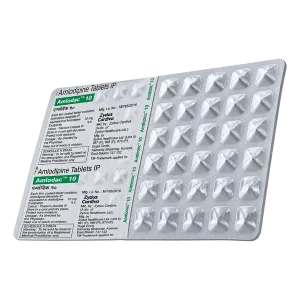
Your order will be securely packed and shipped within 24 hours. This is exactly what your package will look like (images of an actual item sent). It has the size and look of a regular private letter (9.4x4.3x0.3 in.) and its contents cannot be seen.
