Skip to content

Black Friday +8 free tablets with every order Nov 19 – Dec 2

Norvasc

Norvasc

Active ingredient: Amlodipine

4 5 reviews In stock Overview
Dosage
Package
Package

$31.98

$56.86 $63.96 Save 11%

$75.81 $95.94 Save 21%

$92.39 $127.92 Save 28%

$129.11 $191.88 Save 33%

$43.83

$75.81 $87.66 Save 14%

$100.68 $131.49 Save 23%

$120.82 $175.32 Save 31%

$161.09 $262.98 Save 39%

Black Friday +8 free tablets with every order until Dec 2

Delivery: 4-7 business days

Amlodipine besylate, the active ingredient of Norvasc, is a dihydropyridine calcium channel blocker for adults with high blood pressure, chronic stable angina, vasospastic angina, or coronary artery disease. It relaxes arterial blood vessels, which lowers vascular resistance and improves blood flow to the heart muscle.

Overview

Norvasc contains amlodipine besylate, a salt form of amlodipine. Amlodipine belongs to the antihypertensive drug class called dihydropyridine calcium channel blockers. These agents act mainly on arterial smooth muscle rather than slowing the heart rate in the way that beta blockers do.

Active ingredient profile

Amlodipine blocks calcium entry through L-type calcium channels in arterial muscle cells. Calcium normally signals these cells to contract. With less calcium entering the cell, the artery wall relaxes and the vessel opens more easily.

Dosage and administration

Norvasc is taken orally once daily, with or without food. The dose is decided individually, taking age, other medicines, blood-pressure response, and health conditions into account.

Take the prescribed daily tablet at a consistent time. Morning use suits people who link medication with breakfast, while evening use may be easier for those who already take other long-term medicines at night. The best time is the one that supports reliable daily use.

  • Swallow the tablet with water.
  • Take it at the same time each day.
  • Food does not materially change amlodipine absorption.
  • Do not double the next dose after a missed dose.
  • If a dose is remembered on the same day, take it when remembered unless the next dose is close.
  • Resume the regular schedule after a missed dose rather than taking extra tablets.
Keep a short log of blood-pressure readings, pulse, ankle swelling, and dizziness during the first weeks. This gives the prescriber useful information if the dose needs adjustment.

Amlodipine has a long half-life, so its blood-pressure effect persists through the day and beyond. This does not mean missed doses should become routine. Repeated missed doses make blood-pressure control less predictable.

Formulation

Norvasc contains amlodipine besylate, a salt form of amlodipine. Amlodipine belongs to the antihypertensive drug class called dihydropyridine calcium channel blockers. These agents act mainly on arterial smooth muscle rather than slowing the heart rate in the way that beta blockers do.

Amlodipine is not a rescue treatment for sudden chest pain. New, severe, or worsening chest pain needs urgent medical assessment.

Active ingredient profile

Amlodipine blocks calcium entry through L-type calcium channels in arterial muscle cells. Calcium normally signals these cells to contract. With less calcium entering the cell, the artery wall relaxes and the vessel opens more easily.

This effect is called vasodilation. It lowers blood pressure without requiring a rapid fall in heart rate.

How it affects the body

Norvasc works at the level of arterial smooth muscle. Amlodipine reduces the transmembrane influx of calcium ions into these cells, allowing peripheral arteries to widen. Wider arteries create less resistance to blood flow, so the heart pumps against lower pressure.

Reduced afterload lowers the heart muscle’s oxygen demand. Coronary artery relaxation can also improve oxygen delivery, which matters in vasospastic angina.

Therapeutic indications

Norvasc is prescribed for essential hypertension, which means persistently elevated blood pressure without a single reversible cause. Lowering blood pressure reduces strain on the heart, brain, arteries, and kidneys over time.

Its cardiovascular uses also include chronic stable angina, vasospastic angina, and documented coronary artery disease. Stable angina is chest discomfort caused by a limited oxygen supply during exertion or stress. Vasospastic angina occurs when a coronary artery temporarily narrows because of spasm.

For coronary artery disease, amlodipine can reduce the frequency of angina episodes and support exercise tolerance. It does not dissolve arterial plaque or replace treatments aimed at cholesterol, clot prevention, or acute cardiac symptoms.

Key treatment goals include:

  • Lowering persistently raised blood pressure.
  • Reducing the workload created by narrowed arteries.
  • Improving blood flow through coronary vessels.
  • Preventing predictable angina symptoms in suitable patients.
  • Supporting a broader plan for cardiovascular risk reduction.

The WHO includes calcium channel blockers among established antihypertensive options for adults, with treatment selected according to cardiovascular risk, other conditions, and tolerability [1].

Common mistakes

Several avoidable habits make Norvasc seem less useful than it is.

  • Stopping treatment because blood pressure becomes normal. Normal readings often reflect the medicine’s effect.
  • Taking an extra tablet after a missed dose. This can trigger excessive blood-pressure lowering and dizziness.
  • Judging the treatment from a single home reading rather than a pattern over several days.
  • Ignoring new ankle swelling because it seems cosmetic.
  • Using nonprescription anti-inflammatory pain medicines frequently without discussing blood-pressure effects.
  • Assuming headaches always mean the dose is too low. Headaches have many causes and need context.
  • Taking blood-pressure readings immediately after caffeine, nicotine, exercise, or emotional stress.

Reasons not to use it

Norvasc is not for you if you have had a serious allergic reaction to amlodipine or another ingredient in the tablet.

Use requires careful clinical assessment in the following situations:

  • Severe low blood pressure or circulatory shock.
  • Severe narrowing of the aortic valve.
  • Advanced liver impairment, since amlodipine may remain in the body longer.
  • Severe coronary artery disease with unstable symptoms.
  • Pregnancy or breastfeeding, where treatment choices need individual review.
  • Use of strong CYP3A4 inhibitors or inducers.
  • Concurrent simvastatin treatment or several medicines that lower blood pressure.

When this is not for you

Talk with a clinician before using Norvasc if you have very low blood pressure, circulation problems, a severely narrowed aortic valve, serious liver disease, or unstable heart symptoms. Treatment also needs individual review during pregnancy or breastfeeding and when you take medicines that strongly affect amlodipine levels or several medicines that lower blood pressure. Older adults may be more sensitive to dizziness after starting or increasing treatment.

Possible side effects

Most people tolerate Norvasc without serious difficulty. The most characteristic adverse reaction is peripheral edema, meaning swelling around the ankles or lower legs. It happens because small arteries widen more than veins, increasing pressure within capillaries and allowing fluid to move into nearby tissue.

Common reactions include headache, dizziness, flushing, tiredness, fatigue, palpitations, nausea, and ankle edema. These effects may be more noticeable after treatment begins or after a dose adjustment. Dizziness can reflect lower blood pressure, dehydration, or standing too quickly.

Edema from amlodipine is not always a sign that the body is retaining excess salt and water. That detail matters because a water pill may not fully solve calcium-channel-blocker edema. Clinicians may instead review the dose or the rest of the blood-pressure regimen.

Seek urgent medical care for fainting, severe weakness, facial or throat swelling, difficulty breathing, or chest pain that is new, severe, or worsening. Rarely, angina can worsen when treatment is started or adjusted in people with severe obstructive coronary artery disease.

Ankles may look more swollen in the evening than in the morning. Taking a photo at the same time each day for several days can help distinguish a persistent pattern from temporary swelling after a long day on your feet.

The FDA prescribing information lists edema, dizziness, flushing, palpitations, and fatigue among reported reactions with amlodipine [3].

Comparison

Amlodipine is often selected when arterial relaxation is a priority or when an ACE inhibitor causes cough. An ACE inhibitor may be preferred when a person also has conditions for which renin-angiotensin system blockade offers added benefit. Combination treatment is common when one medicine does not reach the blood-pressure target.

Treatment approach Main mechanism Practical distinction
Amlodipine Relaxes arteries by blocking calcium entry into vascular muscle Useful for hypertension and angina; ankle edema can occur
Lisinopril Reduces angiotensin-driven vessel narrowing Can cause cough and may raise potassium
Beta blocker Lowers heart rate and cardiac workload Often useful when pulse control is also needed

NICE hypertension guidance supports tailoring treatment to age, ethnicity, kidney function, diabetes status, and treatment response rather than treating every patient with the same first option [2].

What doctors say

In clinical practice, physicians often value amlodipine for its steady full-day action and its usefulness in both hypertension and angina. It is a familiar option when a patient needs blood-pressure control without a slower pulse.

Doctors also watch for edema rather than assuming every swollen ankle is caused by heart failure or kidney disease. The timing matters. Swelling that begins after amlodipine is introduced or adjusted deserves a medication review, while sudden one-sided leg swelling, breathlessness, or chest symptoms needs prompt evaluation for other causes.

A realistic expectation is gradual improvement in measured blood pressure. Norvasc does not create a noticeable energy boost, and many patients feel no different day to day even when it is doing its job.

Comparison

Altace

Active ingredient: Ramipril
10mg
From $79.36
pills
3.9 (4)

Angiotensin

Active ingredient: Angiotensin
20mg
From $101.87
pills
4.4 (4)

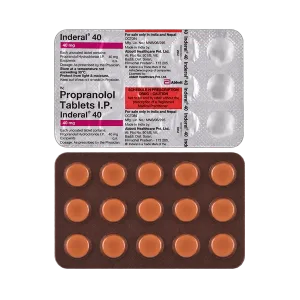
Inderal

Active ingredient: Propranolol
40mg 80mg
From $34.35
pills
3.5 (3)

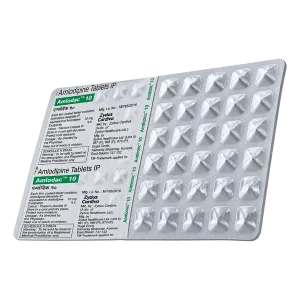
Norvasc Current

Active ingredient: Amlodipine
5mg 10mg
From $31.98
pills
4 (5)

Comparison table: Hypertension

Common questions

How long does one Norvasc dose keep working?

Amlodipine has a long duration of action, so one daily dose is designed to provide blood-pressure control across a full day. Its long elimination half-life also means some effect remains after a delayed or missed dose. The FDA’s 2019 prescribing information describes sustained once-daily activity. Regular daily use is still needed for stable control.

How soon does Norvasc become noticeable?

Blood pressure may begin to fall within hours after the first dose, though the full response develops gradually as amlodipine reaches steady levels. Many people do not feel a direct physical change because hypertension is often symptom-free. FDA clinical information from 2019 supports assessing response through repeated blood-pressure readings rather than sensations alone. Angina improvement can also build over days to weeks.

How does Norvasc differ from lisinopril?

Norvasc contains amlodipine, which widens arteries by blocking calcium movement into vascular muscle cells. Lisinopril is an ACE inhibitor that reduces angiotensin II activity, a hormone pathway that narrows blood vessels. NICE guidance updated in 2023 recognizes both mechanisms in hypertension care. Amlodipine is more associated with ankle edema, while lisinopril is more associated with cough and changes in potassium or kidney-function tests.

Can Norvasc be used under age 18?

Amlodipine has pediatric uses for hypertension in certain children, yet age, body size, diagnosis, and clinical monitoring determine whether it is appropriate. Norvasc should not be started or adjusted for a child using an adult treatment plan. The FDA label published in 2019 includes pediatric hypertension information for selected age groups. Pediatric blood-pressure targets differ from adult targets.

What condition clearly rules out Norvasc?

A known serious hypersensitivity reaction to amlodipine rules out Norvasc use. Signs of a serious allergic reaction can include facial swelling, throat swelling, hives, wheezing, or breathing difficulty. The FDA identifies hypersensitivity to amlodipine as a contraindication in its prescribing information. Severe low blood pressure and certain serious heart conditions also require individualized medical assessment before treatment.

Do you offer anonymous delivery?

Your order will be securely packed and shipped within 24 hours. This is exactly what your package will look like (images of an actual item sent). It has the size and look of a regular private letter (9.4x4.3x0.3 in.) and its contents cannot be seen.

Customer Feedback on Norvasc

4 Based on 5 reviews
Ian, 67 Dallas About two months
Nov 21, 2026
Rating: 3 out of 5
I used Norvasc daily for about two months after my home readings stayed high. My readings became more even by the third week, but my ankles looked puffy late in the day. The swelling eased after my treatment plan was reviewed.
Simon R., 51 San Antonio Several weeks
Oct 25, 2026
Rating: 3.5 out of 5
I took it for blood pressure and noticed fewer pounding headaches after several weeks. I felt light-headed when I stood up too fast during the first few days, so I started getting up more slowly. The benefit was clear, but it took patience.
Ben, 37 Pittsburgh Four months
Nov 1, 2026
Rating: 5 out of 5
I used Norvasc for four months and my home blood-pressure log became much more consistent. Taking the tablet with my morning coffee routine made it easy to remember. I was satisfied with how uncomplicated it felt.
Luke C., 65 Chicago Several months; a few weeks after starting Norvasc
Nov 12, 2026
Rating: 4.5 out of 5
I had been tracking blood pressure before breakfast for several months. After starting Norvasc, the numbers settled into the range my care team wanted within a few weeks. I appreciated that it was only one daily tablet.
Mark, 64 Seattle Nearly six months
Oct 29, 2026
Rating: 4 out of 5
I took Norvasc for stable angina and hypertension for nearly six months. I could walk my usual hill without getting the same chest tightness, and my blood-pressure readings improved. Keeping a written log helped me see the change.

Sources

  1. World Health Organization (2023). WHO Model List of Essential Medicines.
  2. NICE (2023). Hypertension in adults: diagnosis and management.
  3. FDA (2019). NORVASC (amlodipine besylate) tablets: Adverse Reactions and Warnings.
Get our free app Shop faster and track your orders 4.0 · 396 reviews Install