- Worldwide Delivery
- Quality Guaranteed
- Bonus pills
- 24/7 Support
Adults prescribed a non-selective beta blocker for high blood pressure, angina, migraine prevention, essential tremor, or physical anxiety symptoms may be treated with Inderal. The result is a slower heart rate, lower cardiac workload, and fewer adrenaline-related symptoms.
Overview
Its active ingredient, propranolol, reduces the effects of adrenaline on the heart and blood vessels.
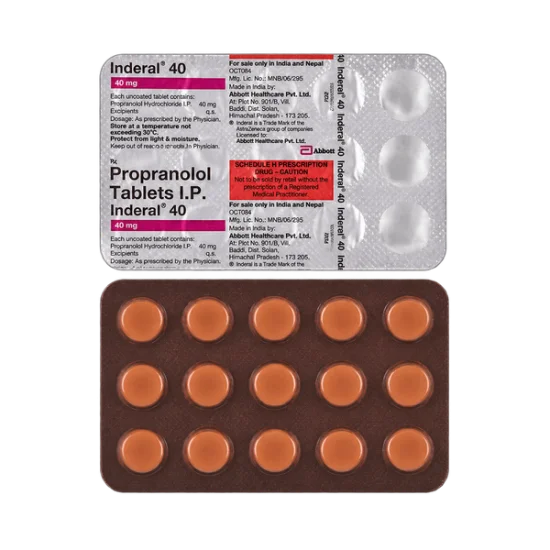
Inderal contains propranolol, a non-selective beta-adrenergic blocker.
Dosage and administration
Inderal is taken by mouth. The prescribed amount and frequency depend on the condition being treated, the response to therapy, heart rate, blood pressure, age, and other medicines.
The practical rules are:
- Take each dose at the prescribed time.
- Take tablets consistently with regard to meals, because changing the relationship with food can affect absorption.
- Swallow modified-release products whole unless a prescriber has given specific instructions for that formulation.
- Do not double the next dose after a missed dose.
- If the next scheduled dose is close, the missed dose is generally skipped rather than taken together with the next one.
- Continue treatment as prescribed, even when blood pressure or palpitations improve.
- Do not stop regular propranolol suddenly.
The product form matters. A long-acting capsule should not be substituted for an immediate-release tablet without a planned regimen. A change in release pattern can alter the timing of peak drug levels and may affect pulse, blood pressure, tremor control, or symptom coverage.
Alcohol may intensify dizziness or light-headedness in some people taking propranolol. It can also make it harder to judge whether fatigue comes from the medicine or from alcohol itself.
Formulation
Inderal contains propranolol as its active ingredient. Propranolol is a non-selective beta-adrenergic blocker that reduces the effects of adrenaline on the heart and blood vessels, helping lower heart rate and cardiac workload.
How it affects the body
Propranolol blocks beta-1 and beta-2 receptors, which respond to adrenaline and noradrenaline. This lowers the force and speed of heart contractions, reduces some vascular responses, and limits physical signs of sympathetic activation.[1]
Beta-1 receptors are found mainly in cardiac tissue. Blocking them can reduce heart rate, contraction strength, and electrical conduction through the heart. These effects decrease myocardial oxygen demand, which is useful in selected patients with chronic stable angina.
Beta-2 receptors are present in the airways and certain blood vessels. Because propranolol blocks both receptor types, it is called a non-selective beta blocker.
Noradrenaline and adrenaline are hormones and neurotransmitters involved in the “fight-or-flight” response. Propranolol does not remove anxious thoughts, but it can reduce palpitations, shaking, sweating, and a racing pulse caused by adrenergic stimulation.
Therapeutic indications
Inderal may be prescribed for cardiovascular conditions, selected neurological disorders, and physical symptoms linked to anxiety. The exact dose and schedule depend on the purpose of treatment and are agreed with a doctor or pharmacist.
Common clinical uses include:
- High blood pressure, as part of an individualized treatment plan.
- Chronic stable angina, where reducing cardiac workload can lessen exertional chest discomfort.
- Certain fast or irregular heart rhythms.
- Essential tremor affecting the hands or voice.
- Prevention of migraine attacks rather than immediate relief of an attack.
- Physical symptoms of performance anxiety, such as shaking, palpitations, and a tense voice.
- Some symptoms associated with excess thyroid hormone.
- Selected cases of portal hypertension under specialist care.
| Clinical use | Main treatment goal |
|---|---|
| Hypertension or angina | Reduce heart rate, cardiac workload, and blood pressure |
| Migraine prevention | Reduce the frequency or severity of attacks over time |
| Tremor or performance anxiety | Limit adrenaline-related shaking and palpitations |
Inderal is not a general treatment for every form of anxiety. Its main benefit in anxiety-related use concerns bodily symptoms. Persistent worry, panic disorder, depression, or trauma-related symptoms may require a different treatment approach.
The American Academy of Neurology and clinical migraine guidance recognize beta blockers as preventive options for selected patients. Propranolol is also described in FDA prescribing information for cardiovascular indications and selected non-cardiac uses.[2]
Common mistakes
Several practical mistakes can reduce benefit or increase risk:
- Stopping propranolol suddenly after feeling better.
- Taking a missed dose together with the next dose.
- Switching between immediate-release and long-acting formulations without a new schedule.
- Assuming that a normal pulse means the medicine should be stopped.
- Ignoring wheezing because the medication was prescribed for the heart.
- Measuring blood pressure immediately after exercise, caffeine, or emotional stress and treating that reading as a baseline.
- Forgetting to mention propranolol before surgery or emergency treatment.
- Treating a migraine attack with a preventive dose and expecting immediate pain relief.
- Using alcohol to manage anxiety symptoms while taking a medicine that can already cause dizziness.
- Assuming that fatigue is unrelated to the medication when it began soon after treatment started.
A frequent misconception is that propranolol treats the psychological cause of anxiety. It mainly reduces physical adrenergic symptoms. Persistent fear, intrusive thoughts, avoidance, or low mood need separate clinical evaluation.
Reasons not to use it
Propranolol can interact with medicines that slow the heart, lower blood pressure, alter cardiac conduction, or affect propranolol metabolism. Important examples include verapamil, diltiazem, digoxin, certain antiarrhythmics, clonidine, insulin, oral diabetes medicines, and some antidepressants.
Combining propranolol with verapamil or diltiazem can increase the risk of bradycardia, low blood pressure, conduction problems, or reduced heart contractility. A prescriber may need to monitor pulse, blood pressure, and cardiac conduction more closely.
Clonidine requires special planning. Stopping clonidine abruptly while taking a beta blocker can produce a marked rise in blood pressure. The sequence and timing of withdrawal must be managed by the treating clinician.
Propranolol may make hypoglycemia harder to recognize. It may also affect the response to epinephrine during a severe allergic reaction. People receiving allergy immunotherapy or carrying emergency epinephrine should have this interaction documented in their medical record.
Abrupt discontinuation is a serious mistake. Sudden withdrawal can cause rebound tachycardia, worsening angina, high blood pressure, or other cardiac complications. The FDA and American Heart Association advise gradual reduction when discontinuation is clinically appropriate.[4]
Pregnancy and breastfeeding require individualized assessment. Propranolol crosses the placenta, and beta blockade near delivery can affect a newborn’s heart rate, blood pressure, breathing, or blood glucose. Breastfeeding decisions depend on the clinical situation and infant monitoring.

When this is not for you
This medication is not for you if
- You have severe bradycardia or a significant heart block without appropriate pacing.
- You have cardiogenic shock.
- You have uncontrolled or uncompensated heart failure.
- You have active bronchial asthma or a history of severe bronchospasm.
- You have a serious allergy to propranolol or a formulation component.
- You are experiencing markedly low blood pressure that has not been assessed.
Possible side effects
Propranolol is often tolerated when the dose is adjusted gradually, but its cardiovascular action can produce unwanted effects. Fatigue, cold hands or feet, dizziness, sleep disturbance, and a slow pulse are recognized reactions.
Reported adverse effects include:
- Tiredness or reduced exercise tolerance.
- Dizziness, especially when standing.
- Cold fingers or toes.
- Nausea, abdominal discomfort, vomiting, or diarrhea.
- Sleep disturbance or vivid dreams.
- Depressed mood in some patients.
- Reduced libido or erectile difficulty.
- Slow heartbeat or low blood pressure.
- Wheezing or shortness of breath from bronchospasm.
- Worsening symptoms of heart failure in susceptible patients.
The FDA prescribing information describes bradycardia, hypotension, bronchospasm, gastrointestinal symptoms, sleep changes, and sexual adverse effects among reactions associated with propranolol products.[3]
| Reaction group | Examples |
|---|---|
| Common functional effects | Fatigue, dizziness, cold extremities, reduced exercise tolerance |
| Digestive or sleep effects | Nausea, vomiting, diarrhea, vivid dreams, disturbed sleep |
| Clinically urgent effects | Wheezing, fainting, severe slow pulse, swelling, sudden breathlessness |
A slower pulse may be harmless when expected and monitored. A pulse accompanied by faintness, confusion, chest discomfort, or collapse is different and needs urgent assessment.
One practical issue is exercise. Propranolol limits the rise in heart rate that normally occurs during exertion, so a person may feel unusually tired even when the activity is not extreme. Fitness trackers may also show a lower heart-rate response than expected.
Another detail is symptom masking. Beta blockers can reduce some warning signs of low blood sugar, especially a fast heartbeat. People using insulin or medicines that can cause hypoglycemia should know that sweating, weakness, and confusion may become more important warning signs.
Comparison
Propranolol belongs to a broader group of medicines that reduce cardiovascular stimulation. The choice depends on the target symptom and the patient’s respiratory, cardiac, and neurological history.
| Approach | Mechanistic profile |
|---|---|
| Propranolol | Non-selective beta blockade affecting beta-1 and beta-2 receptors |
| Cardioselective beta blocker | Greater preference for beta-1 receptors at usual doses, though selectivity is not absolute |
| Calcium-channel blocker | Reduces calcium entry into cardiac or vascular muscle through a different pathway |
Propranolol may be selected when tremor, migraine prevention, or adrenaline-related physical symptoms are important treatment goals. A cardioselective beta blocker may be considered when a beta blocker is needed but airway sensitivity is a concern. A calcium-channel blocker may suit certain blood-pressure, angina, or rhythm-control situations.
This is a clinical distinction, not a reason to change medicines independently. Even medicines from the same broad cardiovascular category can differ in pulse effects, exercise tolerance, bronchospasm risk, and interaction profiles.
What doctors say
In clinical practice, physicians usually set expectations around the treatment target rather than one symptom alone. For hypertension, the key measures are home and office blood-pressure readings. For migraine prevention, the useful endpoint is fewer or less disabling attacks over time. For tremor, clinicians assess functional improvement, such as better handwriting, eating, or speaking.
A doctor would also review resting pulse, standing blood pressure, asthma history, diabetes treatment, exercise tolerance, and concurrent heart medicines. These details help determine whether the benefits of beta blockade outweigh the risks.
Inderal can reduce the physical surge of adrenaline within a relatively short period, yet preventive benefits for migraine or tremor may require regular use over a longer interval. A partial response does not always mean that the medicine has failed; the treatment plan may need adjustment based on measurements and tolerability.
WHO cardiovascular guidance supports individualized blood-pressure treatment and attention to cardiovascular risk rather than relying on a single reading.[5]
Comparison
Common questions
Can Inderal cause tiredness or a slow heartbeat?
Yes. Fatigue and bradycardia are recognized effects of propranolol because beta-1 blockade reduces heart rate and cardiac stimulation. FDA prescribing information describes these reactions among the safety considerations for propranolol products, including information reviewed in 2010. Severe dizziness, fainting, chest pain, or breathlessness needs prompt medical assessment rather than self-adjustment.
How soon does Inderal begin to work?
The reduction in heart rate and some physical adrenaline symptoms can become noticeable after a dose, while preventive effects for migraine or tremor develop with regular treatment. The FDA labeling distinguishes immediate cardiovascular effects from treatment goals that require continued administration. Migraine prevention guidance from NICE, reviewed in 2025, assesses benefit over repeated attacks rather than after one dose.
Can I drive, concentrate, or operate machinery while taking Inderal?
Inderal can cause dizziness, fatigue, blurred vision, or reduced alertness in some patients, especially after starting treatment or changing the dose. The FDA advises attention to these effects in its propranolol prescribing information from 2010. Do not drive or operate machinery until you know how the medicine affects your balance, alertness, and exercise tolerance.
How does Inderal differ from a cardioselective beta blocker?
Inderal contains propranolol, which blocks both beta-1 and beta-2 receptors. A cardioselective beta blocker has greater preference for beta-1 receptors at usual doses, although selectivity is not absolute. The American Heart Association describes beta-blocker selection as dependent on the cardiac indication, airway disease, heart rate, blood pressure, and accompanying medicines in its 2023 scientific guidance.
What should I do if the expected result does not come?
Do not increase the dose, take extra doses, or stop Inderal without a planned review. The FDA labeling from 2010 supports dose adjustment according to the condition, response, and tolerability. Record the symptoms that remain, their timing, pulse or blood-pressure readings when relevant, and any adverse effects so the prescriber can decide whether the schedule or treatment strategy needs changing.
Do you offer anonymous delivery?
Your order will be securely packed and shipped within 24 hours. This is exactly what your package will look like (images of an actual item sent). It has the size and look of a regular private letter (9.4x4.3x0.3 in.) and its contents cannot be seen.
Customer Feedback on Inderal
Sources
- U.S. Food and Drug Administration (2010). Inderal LA (propranolol hydrochloride) prescribing information.
- U.S. Food and Drug Administration (2010). Inderal (propranolol hydrochloride) prescribing information.
- U.S. Food and Drug Administration (2010). Propranolol hydrochloride: prescribing information and adverse reactions.
- American Heart Association (2023). Guideline for the Management of Patients With Chronic Coronary Disease.
- National Institute for Health and Care Excellence (2025). Headaches in over 12s: diagnosis and management.