Skip to content

Black Friday +8 free tablets with every order Nov 19 – Dec 2

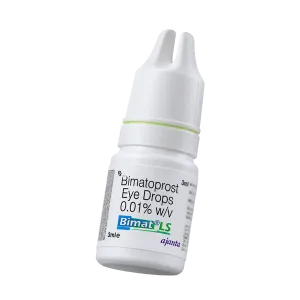
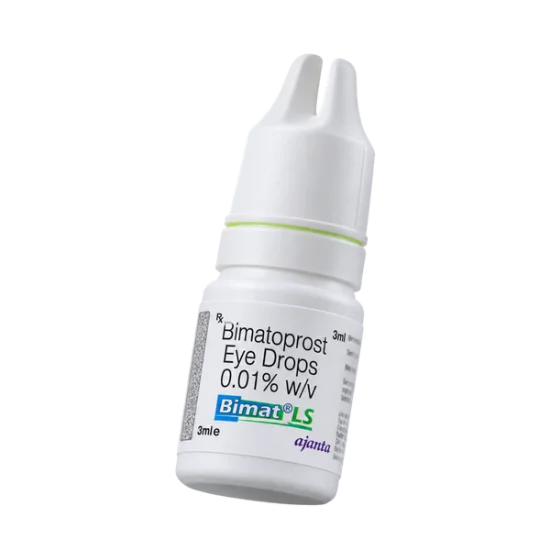
Bimat bottle

Bimat bottle

Active ingredient: Bimatoprost

3.9 4 reviews In stock Overview
Package

$42.64

$108.97 $127.92 Save 15%

$204.92 $255.84 Save 20%

Black Friday +8 free tablets with every order until Dec 2

Delivery: 4-7 business days

Bimat bottle delivers bimatoprost ophthalmic solution for adults with elevated eye pressure, including open-angle glaucoma and ocular hypertension. Applied to the eye, it helps increase fluid drainage and lower intraocular pressure. Bimatoprost may also be used under specialist direction to improve eyelash length and fullness.

Overview

Bimat bottle contains bimatoprost, a prostaglandin analogue used in ophthalmic care. Its primary therapeutic role is lowering elevated intraocular pressure in adults with open-angle glaucoma or ocular hypertension. Bimatoprost is an active ophthalmic compound rather than a lubricant or simple redness-relief solution.

Dosage and administration

Bimat bottle is a liquid ophthalmic formulation used with controlled drop application. The bottle format supports direct ocular dosing when prescribed for eye pressure, while lash use requires a separate, highly precise application technique.

The product should be used only for the purpose specified by the prescriber. Applying an eye-pressure dose to the lashes, or using a lash application method inside the eye, can lead to incorrect exposure.

Ocular application

The usual clinical approach for pressure control is one prescribed drop in the affected eye or eyes at the prescribed interval. Dosing differs between strengths and between users, so there is no single amount that suits everyone.

If another eye drop is also prescribed, separate the products by at least five minutes unless the prescriber gives different instructions. This helps prevent the second drop from washing the first out of the conjunctival sac.

Lash-line application

When used for eyelash hypotrichosis, bimatoprost is applied to the upper eyelid margin with a clean single-use applicator or another method specifically supplied or recommended for that purpose. It should not be applied to the lower lash line.

Do not reuse an applicator from one eye on the other eye. Do not pour liquid into a separate container. These habits can contaminate the solution and increase the risk of eye infection.

Administration Protocols for Bimat bottle

  1. Wash and dry the hands.
  2. Remove contact lenses before ocular application.
  3. Tilt the head back and gently pull down the lower eyelid.
  4. Place the prescribed drop into the conjunctival pocket without touching the eye.
  5. Close the eye gently rather than blinking forcefully.
  6. Press a clean finger against the inner corner of the closed eye for about one minute if instructed for ocular dosing.
  7. Blot excess fluid from the cheek with clean tissue.
  8. Replace the cap promptly.

If a dose is missed, apply it when remembered unless the next scheduled dose is close. Do not double the amount to compensate. Excess dosing increases exposure without reliably improving pressure control.

Keep a regular evening routine if the prescribed schedule is once daily. Linking the drop with tooth-brushing can help, but do not place the bottle on a wet bathroom surface where contamination is more likely.

Avoid shaking the bottle unless the product instructions specifically require it. Do not transfer the liquid into another container. Do not share the bottle, even with someone who has similar eye symptoms.

Formulation

Bimat bottle contains bimatoprost, a prostaglandin analogue used in ophthalmic care. Its primary therapeutic role is lowering elevated intraocular pressure in adults with open-angle glaucoma or ocular hypertension. The same pharmacological pathway can stimulate eyelash growth when the solution is applied to the upper lash line under appropriate clinical guidance.

Bimatoprost is an active ophthalmic compound rather than a lubricant or simple redness-relief solution. It changes the movement of aqueous humor, the clear fluid inside the front of the eye. This reduces pressure that can damage the optic nerve over time.

Active ingredient and formulation

The active ingredient is bimatoprost ophthalmic solution. The product is supplied as a liquid in a bottle intended for ophthalmic application. The exact dose used by an individual depends on the prescribed strength, the treatment goal, and the clinician’s instructions.

Bimatoprost belongs to the prostamide-related prostaglandin analogue group. Regulatory information from the FDA describes ophthalmic bimatoprost as a treatment for reducing elevated intraocular pressure in appropriate patients [1].

How it affects the body

Bimatoprost lowers eye pressure by improving the outflow of aqueous humor. The drug acts on pathways that help fluid leave the eye through the uveoscleral route. Less retained fluid means lower intraocular pressure.

Bimatoprost increases uveoscleral outflow. It does not work by temporarily numbing the eye, and it does not reverse optic-nerve damage that has already occurred. Its purpose is pressure control over time.

At the lash follicle, bimatoprost can prolong the anagen phase, the active growth stage of the hair cycle. This may lead to longer, darker, and fuller eyelashes after repeated application.

The result develops gradually because eyelashes grow through biological cycles rather than instantly. Applying more solution does not reliably produce faster improvement and may increase the chance of skin darkening, irritation, or unwanted hair growth outside the intended area.

For lash application, use the smallest amount that wets the applicator or upper lash margin. Excess liquid can spread onto the eyelid skin and increase irritation or pigmentation.

Therapeutic indications

For eye care, bimatoprost is used to reduce intraocular pressure associated with:

  • Open-angle glaucoma
  • Ocular hypertension
  • Pressure elevation that requires topical ophthalmic treatment

For eyelash hypotrichosis, bimatoprost may increase eyelash prominence by extending the active growth phase of the lash follicle. This cosmetic use requires careful application along the upper lash margin. It is not the same as placing extra liquid directly into the eye.

Bimat bottle is intended for one specific product application. It should not be treated as a general-purpose cosmetic serum for facial skin, eyebrows, or other areas.

Common mistakes

  • Touching the bottle tip to the eye or eyelashes
  • Applying two drops because the first one was not felt
  • Using the product more often than prescribed
  • Stopping when redness appears without reporting the reaction
  • Wearing contact lenses during application
  • Applying lash treatment to the lower lash line
  • Sharing the bottle with another person
  • Using a contaminated or reused applicator
  • Placing several eye drops together without a time interval
  • Doubling the next dose after a missed application

A drop can be felt more strongly when the eye surface is dry or irritated. That sensation does not indicate that the dose was too large or too small.

If the first drop lands on the cheek rather than in the eye, do not automatically repeat it. Repeating can create an unintended double dose; use the next scheduled application unless a clinician gives different instructions.

Reasons not to use it

Bimat bottle is not appropriate for everyone. It is not suitable for a person with a known allergy to bimatoprost or any formulation component. The product also requires careful assessment in people with active eye inflammation, a history of macular edema, or certain lens and retinal conditions.

Bimatoprost may interact with other pressure-lowering treatments through additive effects. Using more than one prostaglandin analogue at the same time is not routinely appropriate. Combining several ophthalmic products also increases the chance of surface irritation.

Pregnancy and breastfeeding require an individual benefit–risk decision. Bimatoprost can reach systemic circulation in small amounts after ocular use, so pregnancy, planned pregnancy, and breastfeeding should be disclosed before treatment.

When this is not for you

This medication is not for you if you have:

  • A previous serious allergic reaction to bimatoprost
  • Unexplained acute eye pain or sudden visual loss
  • Active severe eye inflammation without a treatment plan
  • A current eye infection requiring separate management
  • A history of macular edema without clinician review
  • Recent eye surgery where the treating ophthalmologist has not approved use

Tell the prescriber about asthma, chronic obstructive pulmonary disease, severe dry eye, uveitis, retinal disease, previous cataract surgery, and all current eye medicines.

Possible side effects

Bimatoprost is often tolerated locally, yet eye-related reactions are possible. The most familiar effect is conjunctival hyperemia, meaning increased redness of the white part of the eye. Burning, itching, dryness, foreign-body sensation, blurred vision, and increased tearing may also occur.

Common local effects

Possible reactions include:

  • Eye redness
  • Temporary stinging or burning
  • Itching or irritation
  • Dry-eye symptoms
  • Watery eyes
  • Temporary blurred vision
  • Darkening of the eyelid skin
  • Increased or darker eyelashes

Redness may be more visible during the early phase of treatment. Preservatives can add to ocular-surface irritation in some users.

Bimatoprost can also cause gradual iris pigmentation changes, especially in eyes with mixed green-brown, blue-brown, or gray-brown coloration. This change may be permanent. The FDA-approved labeling describes this pigmentation risk and the need for patient monitoring [1].

Less common but clinically significant effects

Periorbital fat atrophy can produce a sunken-eye appearance or deepening of the upper-eyelid fold. This effect may improve after discontinuation, but recovery is not guaranteed or immediate.

Rarely, bimatoprost has been associated with inflammation inside the eye, macular edema, or worsening of pre-existing ocular inflammation. People with a history of uveitis, macular edema, aphakia, or a damaged posterior lens capsule need individualized assessment.

A patient should stop using the product and seek urgent medical attention for severe eye pain, sudden vision loss, marked light sensitivity, pronounced swelling, severe allergic symptoms, or new distortion of central vision. Mild transient stinging is different from severe pain or visual change.

If redness appears after every application, do not keep increasing the dose or apply extra drops to compensate. More liquid usually adds exposure, not better pressure control.

Comparison

Bimatoprost belongs to a group of pressure-lowering eye treatments that improve aqueous-humor outflow. Other treatment categories work through different pathways and may be selected according to eye pressure, optic-nerve findings, heart or lung disease, asthma history, and the patient’s ability to follow the regimen.

Treatment approach Main pharmacological action Practical limitation
Bimatoprost-type prostaglandin analogue Increases uveoscleral fluid outflow May cause redness, eyelash changes, or iris pigmentation
Beta-blocker ophthalmic treatment Reduces aqueous-humor production May affect pulse, blood pressure, or breathing
Carbonic anhydrase inhibitor Reduces aqueous-humor production Stinging and blurred vision can occur

Another prostaglandin analogue may lower pressure through a similar pathway, but products with the same drug class are not automatically interchangeable. Concentration, dosing schedule, preservatives, and patient-specific contraindications can differ.

Bimatoprost may be selected when once-daily pressure control is suitable. The trade-off is that visible eye redness or gradual iris-color change can be unacceptable for some patients. A clinician may choose another category when respiratory disease, bradycardia, ocular-surface sensitivity, or adherence concerns make it a better fit.

What doctors say

In clinical practice, ophthalmologists focus on pressure readings, optic-nerve appearance, visual-field testing, and adherence rather than on symptoms alone. Glaucoma may progress silently, so feeling no discomfort does not prove that treatment is unnecessary.

A clinician would also explain that bimatoprost controls pressure but does not restore lost vision. Missed doses can weaken long-term pressure control, especially when they occur repeatedly.

For cosmetic lash use, the main clinical concern is precision. Liquid placed on the eyelid skin can cause local pigmentation or unwanted hair growth. The safest technique uses minimal fluid and avoids the lower eyelid margin.

The American Academy of Ophthalmology and the National Eye Institute emphasize regular monitoring for people treated for glaucoma or ocular hypertension. The treatment plan may change after pressure measurements, optic-nerve examination, or visual-field results.

Comparison

Bimat bottle Current

Active ingredient: Bimatoprost
0.03percentage
From $42.64
pills
3.9 (4)

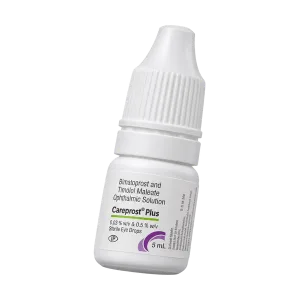
Careprost bottle

Active ingredient: Bimatoprost
0.03percentage
From $48.56
pills
3.6 (4)

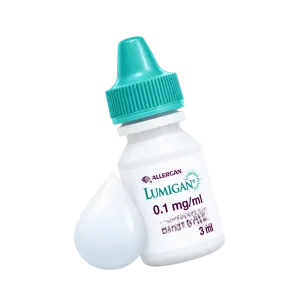
Lumigan

Active ingredient: Bimatoprost
0.03percentage
From $93.58
pills
4.4 (4)

Comparison table: Glaucoma

Common questions

Which symptoms mean stopping Bimat bottle and seeking urgent care?

Severe eye pain, sudden vision loss, marked light sensitivity, significant swelling, or new central-vision distortion requires urgent medical assessment. The FDA identifies serious ocular reactions such as macular edema and intraocular inflammation as reasons for prompt clinical review, with current prescribing information maintained through 2023. Do not apply another dose until urgent guidance is obtained if severe symptoms begin.

Which condition rules out Bimat bottle?

A known allergy to bimatoprost or a formulation ingredient rules out use. Active severe uveitis, unexplained acute eye pain, and untreated eye infection also require assessment before treatment begins. The National Eye Institute’s glaucoma information, reviewed in 2022, supports clinician-led treatment selection when ocular inflammation or retinal disease is present.

Can Bimat bottle affect driving, concentration, or machinery work?

Temporary blurred vision can occur after an eye drop, especially immediately after application. Driving or operating machinery should wait until vision is clear and comfortable. The FDA prescribing information available in 2023 describes blurred vision as a possible local reaction, so the first applications should be timed when demanding visual tasks are finished.

Is Bimat bottle suitable for older adults?

Older adults may use bimatoprost when the ophthalmic examination and medical history support it. Age alone does not rule out treatment, but cataract history, macular disease, dry eye, multiple eye drops, and manual dexterity can affect the plan. WHO guidance on healthy ageing published in 2021 supports reviewing medication technique and treatment burden in older patients.

How should Bimat bottle be stored at home and while travelling?

Keep the bottle closed, protected from excessive heat, and away from direct sunlight. Do not leave it in a hot vehicle, near a steamy shower, or in an unclean toiletry bag. The FDA product information available in 2023 gives storage instructions for ophthalmic bimatoprost and supports keeping the container protected and properly closed during use.

How long does one application keep working?

Bimatoprost is intended to provide pressure-lowering activity across the dosing interval prescribed by the clinician, rather than producing a brief cosmetic sensation. The treatment effect depends on regular use, the prescribed strength, and the individual response. A 2017 Cochrane review describes prostaglandin-analogue therapy as a sustained approach to lowering intraocular pressure over repeated dosing.

Can people under 18 use Bimat bottle?

Use in children and adolescents requires specialist direction because pediatric safety and dosing considerations differ from adult treatment. Do not give Bimat bottle to a person under 18 based only on an adult prescription. The EMA pediatric-medicine framework published in 2021 supports age-specific assessment when ophthalmic medicines are considered for younger patients.

Do you offer anonymous delivery?

Your order will be securely packed and shipped within 24 hours. This is exactly what your package will look like (images of an actual item sent). It has the size and look of a regular private letter (9.4x4.3x0.3 in.) and its contents cannot be seen.

Customer Feedback on Bimat bottle

3.9 Based on 4 reviews
Colin, 63 Las Vegas Several weeks
Oct 12, 2026
Rating: 4.5 out of 5
My eye-pressure routine became easy to remember when I used it at the same time each evening. I did not notice the drop itself after the first few applications, and the routine felt manageable.
Ian, 52 Chicago Several weeks
Oct 21, 2026
Rating: 1.5 out of 5
It did not suit me. The redness became too noticeable during work, and the irritation continued instead of settling. I stopped after speaking with my eye doctor, who changed the treatment plan.
Martin, 68 Austin Several weeks
Oct 26, 2026
Rating: 4.5 out of 5
The bottle was simple to handle, and I kept it beside my evening medicines. After several weeks, the routine felt automatic, and I felt confident continuing it.
John, 42 Orlando A couple of months
Nov 8, 2026
Rating: 5 out of 5
I used a very small amount and stayed consistent. The change was gradual, but after a couple of months my lashes looked fuller, especially near the outer corners.

Sources

  1. FDA (2017). Bimatoprost ophthalmic solution — Prescribing Information.
Get our free app Shop faster and track your orders 4.0 · 378 reviews Install