Skip to content

Black Friday +8 free tablets with every order Nov 19 – Dec 2

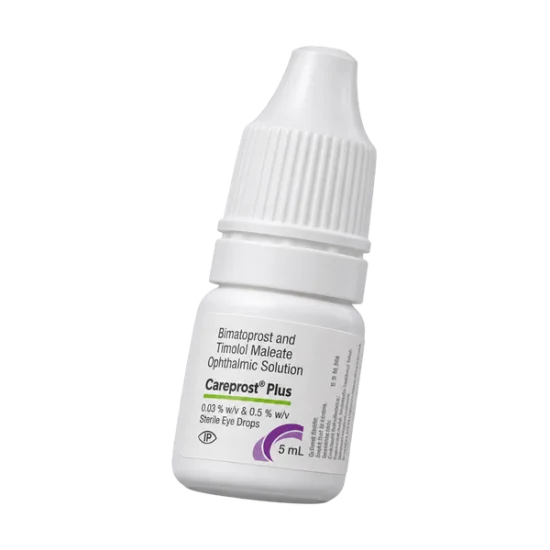
Careprost bottle

Careprost bottle

Active ingredient: Bimatoprost

3.6 4 reviews In stock Overview
Package

$48.56

$136.22 $145.68 Save 6%

$252.30 $291.36 Save 13%

Black Friday +8 free tablets with every order until Dec 2

Delivery: 4-7 business days

Careprost bottle contains bimatoprost ophthalmic solution applied to the eye or upper eyelid margin, depending on its prescribed purpose. It is used to lower raised intraocular pressure in glaucoma or ocular hypertension and can support eyelash growth in hypotrichosis.

Overview

The active ingredient is bimatoprost ophthalmic. The product is supplied as a liquid in a bottle rather than as tablets, capsules, or an oral liquid. The exact dose is decided individually, taking age, other medicines, and health conditions into account.

Dosage and administration

The route and frequency depend on the reason for treatment. Glaucoma and ocular hypertension require an eye-drop regimen prescribed for pressure control. Eyelash treatment involves a very small amount applied to the upper lash line, not repeated drops placed into the eye.

Eye Application for Raised Intraocular Pressure

For an eye-pressure indication, the prescribed dose is placed into the affected eye at the scheduled time. If more than one ophthalmic medicine is used, separate the products by several minutes so one drop does not wash out the other.

A practical sequence is:

  • Wash and dry the hands.
  • Remove contact lenses before applying the solution.
  • Tilt the head back and gently pull down the lower eyelid.
  • Place the prescribed drop into the pocket without touching the bottle tip to the eye.
  • Close the eye gently rather than blinking forcefully.
  • Press lightly at the inner corner of the closed eye if instructed, which can reduce drainage into the nose and throat.

If a dose is missed, apply it when remembered unless the next scheduled dose is close. Do not double the amount to compensate.

Eyelid-Margin Application for Eyelash Growth

For eyelash hypotrichosis, apply a thin amount along the upper eyelid margin using a clean, single-use applicator. The lower eyelid should not receive routine application because excess fluid can spread onto nearby skin.

Do not use the same applicator on both eyes unless it is designed for single-use application to both sides without contamination. A cotton swab is not ideal because loose fibers can enter the eye.

Remove contact lenses before eye application and wait at least 15 minutes before putting them back in. Bimatoprost solution and preservatives can be absorbed by soft lenses.

Formulation

Careprost contains bimatoprost, a prostaglandin analog used in ophthalmic treatment. The solution acts locally around the eye and is associated with increased fluid drainage from the eye, which lowers intraocular pressure. When applied to the upper eyelid margin, bimatoprost can influence the eyelash growth cycle.

The active ingredient is bimatoprost ophthalmic. The product is supplied as a liquid in a bottle rather than as tablets, capsules, or an oral liquid. The exact dose is decided individually, taking age, other medicines, and health conditions into account.

Role of Bimatoprost in Ophthalmic Solutions

Bimatoprost resembles naturally occurring prostamide compounds and affects tissues involved in aqueous humor drainage. Aqueous humor is the clear fluid produced inside the eye. When its production and drainage are unbalanced, pressure can rise and damage the optic nerve over time.

Bimatoprost Ophthalmic Solution is used in treatment plans for elevated eye pressure. The FDA-approved ophthalmic use of bimatoprost is linked to lowering intraocular pressure, while eyelash treatment uses the same pharmacological activity in a different application area [1].

How it affects the body

Bimatoprost promotes uveoscleral outflow, a pathway that allows aqueous humor to leave the eye through tissues around the ciliary body. This lowers pressure inside the eye. It does not restore optic-nerve damage that has already occurred, so regular eye-pressure monitoring remains part of glaucoma care.

In the eyelash setting, bimatoprost can make lashes appear longer, thicker, and darker over time by influencing the follicle growth cycle.

Therapeutic indications

Careprost has two clinically relevant application contexts: pressure reduction inside the eye and eyelash enhancement. These uses are related to bimatoprost but require different application techniques.

Application Main purpose Physiological effect
Glaucoma or ocular hypertension Lower raised intraocular pressure Increases aqueous humor outflow
Eyelash hypotrichosis Improve inadequate eyelash growth Extends the active growth phase of lashes

Intraocular Pressure Reduction in Glaucoma

Glaucoma is a group of eye diseases that can damage the optic nerve. Ocular hypertension means that intraocular pressure is elevated without the established optic-nerve damage associated with glaucoma. Both conditions may require pressure-lowering treatment.

Eyelash Growth Enhancement for Hypotrichosis

Hypotrichosis means reduced hair growth.

Results develop gradually. Some people see a visible change after several weeks, while fuller results can take longer and depend on regular application.

Common mistakes

Several application errors can reduce benefit or increase irritation:

  • Touching the bottle tip to the eye or lashes.
  • Applying more than the prescribed amount.
  • Using the solution on the lower eyelid for cosmetic treatment.
  • Wearing contact lenses during application.
  • Applying eyelash treatment with a shared or reused applicator.
  • Continuing despite severe pain, sudden vision changes, or marked swelling.
  • Stopping glaucoma treatment because the eyes feel normal.
  • Using two prostaglandin analogs together without a revised treatment plan.
  • Applying the product immediately before placing contact lenses back in.
  • Allowing cosmetic application to spread onto the cheek or nose.

The most common misconception is that extra liquid produces faster lash growth or stronger pressure reduction. The ocular tissues absorb only a limited amount, while excess product remains on surrounding skin and can increase unwanted effects.

Another easily missed detail is that lash changes can occur on the treated side more noticeably than the other side. Uneven application may produce an uneven appearance.

Reasons not to use it

Bimatoprost may be unsuitable or require specialist supervision if you:

  • Have a known allergy to bimatoprost or any component of the ophthalmic solution.
  • Have active uveitis, iritis, or another untreated intraocular inflammation.
  • Have aphakia, meaning the natural lens is absent.
  • Have a damaged or absent posterior lens capsule.
  • Have a history of cystoid macular edema.
  • Have severe or unexplained eye pain or sudden visual change.
  • Are using the solution for cosmetic eyelash growth while experiencing an active eye infection.
  • Have had recent eye surgery and have not received an application plan.

Aphakic or pseudophakic patients with a damaged posterior capsule may face a higher risk of macular complications. The FDA labeling for bimatoprost includes warnings related to intraocular inflammation, macular edema, and changes in iris or eyelid pigmentation [3].

Using more than one eye-pressure medicine may alter the treatment plan. Combining bimatoprost with another prostaglandin analog can reduce the expected pressure-lowering benefit or increase adverse effects, so the combination should not be improvised.

When this is not for you

Careprost is not suitable for every person with eye redness, pressure problems, or sparse eyelashes. Bimatoprost requires caution when the eye has active inflammation, when the lens is absent, or when the anatomy of the eye has been altered by surgery.

Tell the prescriber about glaucoma medicines, corticosteroid eye products, medications for eye inflammation, and any previous eye surgery. Contact lenses should be removed before application because preservatives may be absorbed by the lens material.

Possible side effects

The most common local effects associated with bimatoprost include conjunctival hyperemia, eye itching, eye irritation, and temporary redness. The likelihood depends on the formulation, route, duration, and individual sensitivity.

Common Local Effects

Conjunctival hyperemia means increased redness of the white part of the eye. It may be mild and lessen with continued use, although persistent or marked redness requires clinical assessment.

Other possible effects include:

  • Eye itching or a gritty sensation.
  • Watery eyes or dryness.
  • Darkening of the skin near the eyelids.
  • Temporary blurred vision after application.
  • Increased or more noticeable eyelashes.
  • Sensitivity around the eyelid margin.

The FDA prescribing information for bimatoprost ophthalmic products describes ocular redness and itching among recognized adverse reactions; reported frequencies vary between products and study populations [2].

Pigmentation and Appearance Changes

Bimatoprost can darken the iris, especially in people with mixed-color irises. Iris pigmentation may be permanent. Eyelid skin darkening may fade after treatment stops, although the timing is variable.

Long-term use can also produce periorbital fat atrophy, which may create a hollowed appearance around the eye. This change may improve after stopping treatment, but recovery is not guaranteed.

Take a periodic close-up photograph in the same lighting if appearance changes matter to you. Subtle eyelid darkening or hollowing is easier to recognize when compared under similar conditions.

Seek prompt medical assessment for eye pain, a sudden change in vision, marked light sensitivity, intense swelling, or a new area of inflammation. These symptoms can indicate a condition requiring more than routine management of mild irritation.

Comparison

Bimatoprost belongs to the same broad treatment family as latanoprost and travoprost, but the active molecules are different. Choice depends on the pressure target, previous response, ocular surface tolerance, dosing schedule, and the clinician’s assessment.

Active ingredient Main clinical role Practical distinction
Bimatoprost Glaucoma, ocular hypertension, and eyelash hypotrichosis in relevant formulations May cause redness, pigmentation, and lash changes
Latanoprost Glaucoma and ocular hypertension Often selected for pressure lowering with a different ocular side-effect pattern
Travoprost Glaucoma and ocular hypertension Another prostaglandin analog with its own tolerability profile

Bimatoprost and the other prostaglandin analogs are not interchangeable drop-for-drop. A switch may require a new schedule and follow-up pressure measurement. Using two prostaglandin analogs together is not a way to accelerate results and may worsen irritation.

For eyelash growth, the application area differs from glaucoma treatment. A product intended for medical eye-pressure control should not be repurposed casually for cosmetic use without considering the formulation, preservatives, eye history, and risk of pigmentation.

What doctors say

In clinical practice, ophthalmologists usually judge bimatoprost by measured intraocular pressure rather than by how the eye feels. Glaucoma often causes no early symptoms, so feeling comfortable does not prove that pressure is controlled.

A physician also considers the condition of the ocular surface. Persistent redness may be tolerable for one person but unacceptable for another, especially when dry-eye symptoms already affect reading, driving, or screen use.

For eyelash hypotrichosis, clinicians usually set realistic expectations. Bimatoprost can improve lash length, fullness, and darkness, but it does not create unlimited growth and the result depends on continued use. The visible effect can gradually diminish after stopping.

One practical issue is accidental spread. Liquid running down the cheek can darken nearby skin or stimulate unwanted hair growth outside the application area. Wiping excess solution from the skin immediately reduces this risk.

Do not judge glaucoma control by redness, pressure sensation, or visual comfort. Intraocular pressure is measured with an eye examination, not reliably estimated at home.

Comparison

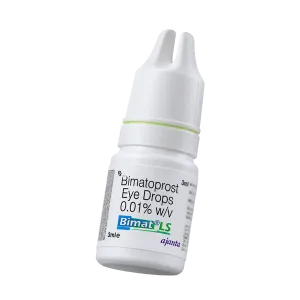
Bimat bottle

Active ingredient: Bimatoprost
0.03percentage
From $42.64
pills
3.9 (4)

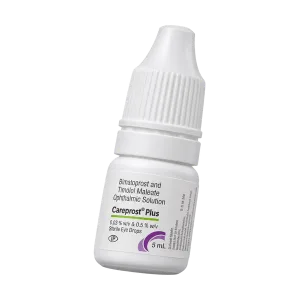
Careprost bottle Current

Active ingredient: Bimatoprost
0.03percentage
From $48.56
pills
3.6 (4)

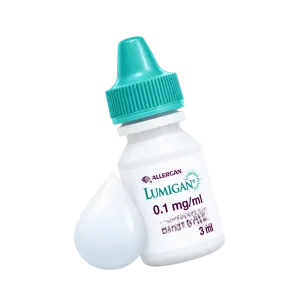
Lumigan

Active ingredient: Bimatoprost
0.03percentage
From $93.58
pills
4.4 (4)

Comparison table: Glaucoma

Common questions

What should I do if the expected result does not come?

A slow or limited response can occur with both pressure control and eyelash treatment. For glaucoma, the relevant measure is the intraocular pressure recorded during follow-up, not a subjective feeling of improvement. Guidance from the American Academy of Ophthalmology in 2023 supports treatment adjustment based on examination findings, adherence, and disease risk. Do not increase the amount independently; missed doses, incorrect placement, or an unsuitable treatment plan may explain the result.

Do diet, exercise, or daily habits affect the result?

Ordinary diet and exercise do not replace bimatoprost for glaucoma or eyelash hypotrichosis. Regular physical activity may support general cardiovascular health, while smoking and poorly controlled systemic disease can affect eye health. The WHO’s eye-care resources from 2023 emphasize prevention, monitoring, and management of avoidable vision loss, but they do not present food as a substitute for pressure-lowering treatment. The most relevant habit is consistent application without contaminating the bottle tip.

Can Careprost be used during pregnancy or breastfeeding?

Pregnancy and breastfeeding require an individual risk assessment because systemic exposure, although limited after ocular application, cannot be assumed to be zero. The FDA labeling for bimatoprost available in 2020 advises weighing potential benefit against possible fetal or infant risk. Cosmetic eyelash use is harder to justify when there is no medical need, especially during pregnancy. A clinician should decide whether treatment is appropriate and whether an alternative plan is preferable.

What happens after stopping Careprost, and does it need tapering?

Eyelash changes generally fade gradually after stopping because newly growing lashes follow their normal cycle. Pressure may rise again when bimatoprost used for glaucoma or ocular hypertension is discontinued, so stopping treatment without a replacement plan can be unsafe. European Medicines Agency information on prostaglandin analog therapy in 2022 supports continued monitoring when pressure-lowering treatment changes. Tapering is not usually the central issue; the key point is arranging an appropriate alternative or follow-up plan.

Can I drive, concentrate, or operate machinery while using it?

Temporary blurred vision can occur immediately after an eye drop is applied. Until vision is clear, avoid driving, climbing, or operating machinery that requires precise sight. The FDA ophthalmic labeling from 2020 recognizes transient visual disturbance as a possible local effect after administration. If blurred vision persists, recurs frequently, or is accompanied by pain or light sensitivity, the treatment needs clinical review.

Can Careprost be combined with other eye medicines or supplements?

Bimatoprost can be used with other ophthalmic medicines when the treatment schedule has been planned appropriately. Separate different eye drops by several minutes, and avoid adding another prostaglandin analog without medical direction. A 2021 review in the Survey of Ophthalmology described the importance of individualized combination therapy and ocular-surface tolerability in glaucoma care. Supplements do not reliably replace pressure-lowering treatment, and products that affect blood pressure or fluid balance should be disclosed before the regimen is changed.

Do you offer anonymous delivery?

Your order will be securely packed and shipped within 24 hours. This is exactly what your package will look like (images of an actual item sent). It has the size and look of a regular private letter (9.4x4.3x0.3 in.) and its contents cannot be seen.

Customer Feedback on Careprost bottle

3.6 Based on 4 reviews
Luke, 69 New York Several months
Nov 4, 2026
Rating: 4 out of 5
New York, I used the drops as part of my eye-pressure routine for several months. My follow-up readings were better, and I found the application easy to fit into my evening schedule. I was satisfied with the practical results.
Robert, 56 Los Angeles Several weeks
Nov 9, 2026
Rating: 4.5 out of 5
Los Angeles, I applied the solution to my upper lash lines consistently. After several weeks, my lashes looked darker and fuller in photographs, which was the change I had hoped to see. The routine took less than a minute.
Ian, 50 Denver Several weeks
Oct 12, 2026
Rating: 1.5 out of 5
Denver, I tried it for eyelash growth but did not see enough change after several weeks. The eye area became irritated, so I stopped using it and discussed the reaction with an eye-care professional. It was not the right option for me.
Christopher R., 67 Memphis
Oct 29, 2026
Rating: 4.5 out of 5
Memphis, I used bimatoprost for raised eye pressure and kept the bottle beside my evening medicines. The schedule became easy to remember, and I was pleased that the routine remained simple.

Sources

  1. U.S. Food and Drug Administration (2020). Bimatoprost ophthalmic solution prescribing information.
  2. U.S. Food and Drug Administration (2020). Lumigan prescribing information.
  3. U.S. Food and Drug Administration (2020). Bimatoprost ophthalmic solution: warnings and precautions.
Get our free app Shop faster and track your orders 4.0 · 378 reviews Install