Skip to content

Black Friday +8 free tablets with every order Nov 19 – Dec 2

Lumigan

Lumigan

Active ingredient: Bimatoprost

4.4 4 reviews In stock Overview
Package

$93.58

$254.67 $280.74 Save 9%

$461.96 $561.48 Save 18%

Black Friday +8 free tablets with every order until Dec 2

Delivery: 4-7 business days

Lumigan is intended for adults with open-angle glaucoma or ocular hypertension. It contains bimatoprost, an ophthalmic prostaglandin analogue that lowers eye pressure by improving aqueous-fluid drainage. The drops are used once daily in the affected eye or eyes.

Overview

The drops are used once daily in the affected eye or eyes.

Lumigan is an ophthalmic solution supplied in a bottle for topical use in the eye. Its active ingredient is bimatoprost, a prostaglandin analogue within the antiglaucoma medicines class.

Dosage and administration

The usual adult regimen for the Lumigan strength supplied here is one drop in the affected eye or eyes once daily, preferably in the evening. The prescribing clinician may adjust the plan after measuring intraocular pressure and reviewing the response.

  • Wash and dry your hands before applying the drops.
  • Tilt the head back and gently pull down the lower eyelid.
  • Place one drop into the conjunctival sac.
  • Close the eye gently for about one minute.
  • Press lightly at the inner corner of the closed eye to reduce drainage into the nose.
  • If another eye drop is prescribed, separate the products by at least five minutes.
  • Remove contact lenses before application.
  • Wait at least 15 minutes before putting contact lenses back in.
  • Keep the bottle tip away from the eye, eyelashes, fingers, and other surfaces.

Do not apply extra drops to compensate for a missed dose. Use the next scheduled dose unless the prescribing clinician has given a different plan. Two drops do not produce twice the benefit and may increase exposure to local irritation.

The dropper tip should never touch the eyelashes. A contaminated tip can transfer microorganisms into the solution or onto the eye, creating an avoidable infection risk.

The dose is decided individually, taking age, other medicines, and health conditions into account. Lumigan is generally used continuously because pressure control fades when treatment is stopped. Do not increase application frequency without an eye-pressure review; more frequent use may reduce the pressure-lowering response. Follow-up visits help confirm whether the target pressure is being reached. Report persistent irritation or visual changes before altering the regimen.

It works gradually. It is not intended for sudden eye pain or a rapid visual emergency.

Formulation

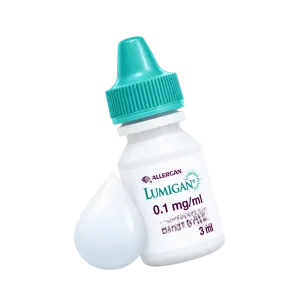
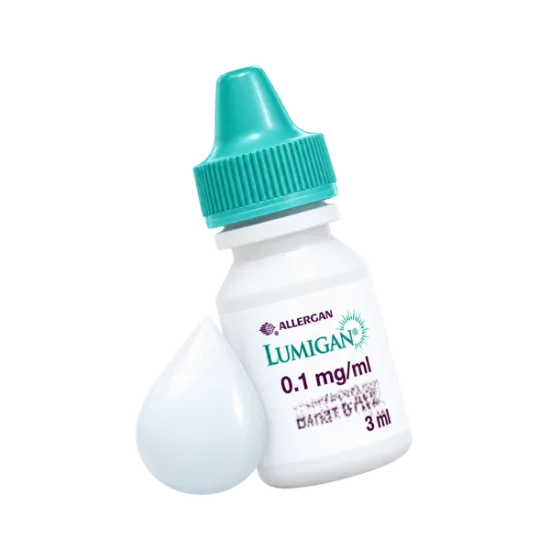
The product strength is 0.1 mg/ml, and the bottle contains 3 ml of solution.

Bimatoprost is prescribed to reduce raised intraocular pressure in adults with open-angle glaucoma or ocular hypertension. Persistently high pressure can damage the optic nerve and cause progressive loss of peripheral vision. Lumigan helps lower that pressure as part of a continuing eye-care plan.

Allergan is associated with the Lumigan brand. The drug is used under prescription supervision because the correct treatment depends on eye pressure, optic-nerve findings, visual-field results, and other eye medicines. The FDA prescribing information describes bimatoprost ophthalmic solution as a pressure-lowering treatment for glaucoma and ocular hypertension [1].

Active Ingredient and Pharmaceutical Class

Bimatoprost acts locally after installation into the conjunctival sac. It is related pharmacologically to prostaglandin analogues, a group widely used in ophthalmology because a single evening application can provide pressure reduction through the following day.

Lumigan is not an antibiotic, steroid, or lubricant. It does not treat an eye infection, remove cataracts, or restore vision already lost from optic-nerve damage.

How it affects the body

The eye continuously produces aqueous humor, a clear fluid that supports the cornea and lens. This fluid must drain at a matching rate. When drainage is restricted, intraocular pressure rises.

Bimatoprost improves aqueous-humor outflow through the uveoscleral route and also supports drainage through the trabecular pathway. The resulting reduction in fluid resistance lowers pressure inside the eye. This ocular hypotensive action helps reduce one of the main modifiable risks associated with open-angle glaucoma.

The medicine does not work by constricting the pupil. Its main effect is improved fluid drainage rather than reduced fluid production. That mechanism differs from beta-blocker drops, which reduce aqueous-humor production, and from carbonic-anhydrase inhibitors, which also act mainly on fluid formation.

The FDA and ophthalmology guidance describe intraocular-pressure reduction as the treatment target, rather than an immediate improvement in sharpness of vision. Bimatoprost may begin lowering pressure within several hours, while the full response develops with regular use [2].

Therapeutic indications

Bimatoprost is prescribed to reduce raised intraocular pressure in adults with open-angle glaucoma or ocular hypertension. Lumigan helps lower that pressure as part of a continuing eye-care plan.

Common mistakes

Several practical errors can make Lumigan appear less helpful or increase irritation:

  • Applying two or three drops instead of one.
  • Using Lumigan more than once daily without a specific instruction.
  • Touching the dropper tip to the eye or lashes.
  • Replacing contact lenses immediately after application.
  • Applying multiple eye drops without an interval.
  • Stopping treatment because the eye feels normal.
  • Rubbing the eye after instillation, which increases overflow and irritation.
  • Forgetting to mention previous uveitis, macular oedema, or cataract surgery.
  • Treating new severe pain or sudden visual change with another dose instead of seeking urgent assessment.
  • Switching between bimatoprost products without repeat pressure measurement.

A missed dose does not call for a double dose. Resume the regular schedule unless the eye specialist has provided a different instruction.

Reasons not to use it

  • Allergy to bimatoprost or any component of the ophthalmic solution.
  • Active eye inflammation, including uveitis or significant iritis.
  • A history of macular oedema, especially after cataract surgery.
  • Recent eye surgery or planned intraocular surgery.
  • Aphakia or a damaged posterior lens capsule.
  • Severe dry-eye disease or significant ocular-surface disease.
  • Pregnancy or breastfeeding, unless the expected benefit justifies treatment.
  • Use of several pressure-lowering drops with overlapping prostaglandin activity.

Bimatoprost can add to the pressure-lowering effect of other glaucoma medicines. Using more than one prostaglandin analogue at the same time is generally avoided because the pressure response may be reduced and local adverse effects may increase.

When this is not for you

This treatment is not for you if you have a known bimatoprost allergy, unexplained acute eye pain, sudden visual loss, or a history that makes macular oedema or active uveitis a concern without specialist assessment.

Possible side effects

Local eye reactions are the most common adverse effects. They can be mild and temporary, but some appearance changes may persist after treatment ends.

Reaction Practical meaning
Eye redness, irritation, itching, or dryness Often local and mild; persistent discomfort needs review
Eyelash growth or darkening May develop gradually and can remain while treatment continues
Iris or skin pigmentation Brown iris pigmentation may be permanent; eyelid darkening may improve after stopping
Blurred vision, light sensitivity, or eye pain Requires assessment if marked, persistent, or associated with visual loss

Conjunctival hyperemia means increased blood flow in the surface vessels of the eye. It may appear as redness soon after treatment and can become less noticeable with continued use. Burning, itching, a foreign-body sensation, and dry-eye symptoms can also occur.

Bimatoprost may increase eyelash length, thickness, or darkness. Eyelashes can grow unevenly, and extra lashes may rub against the eye. Patients sometimes overlook this practical issue until an eyelash begins touching the cornea.

Periorbital fat changes may create a deeper upper-eyelid sulcus or a more hollow appearance around the eye. These changes are called prostaglandin-associated periorbitopathy. Eyelid pigmentation and iris darkening are cosmetic effects rather than signs that the medicine is damaging vision, but iris pigmentation can be permanent.

Rare but clinically significant problems include inflammation inside the eye, macular oedema, worsening of intraocular inflammation, and changes in vision. People with a history of uveitis, macular oedema, or recent eye surgery require careful ophthalmic assessment.

If redness is mild but lasts through the day, note when the drop was applied and whether contact lenses were worn. That detail can help an eye specialist distinguish medicine-related irritation from lens intolerance or dry eye.

Stop application and seek urgent eye assessment for sudden vision loss, severe eye pain, pronounced swelling, marked light sensitivity, or a new veil or curtain across the field of vision. These symptoms need clinical evaluation rather than another dose.

Comparison

The most closely related alternatives are other prostaglandin analogues. They share the goal of improving aqueous-humor outflow, yet their tolerability, dosing schedules, and effects on eyelid or iris pigmentation can differ.

Treatment category Main pharmacological action Typical clinical consideration
Bimatoprost Increases uveoscleral and trabecular outflow Strong pressure-lowering option; redness and cosmetic changes may occur
Latanoprost or travoprost Primarily increases uveoscleral outflow Often selected for once-daily treatment and local tolerability
Timolol or dorzolamide Reduces aqueous-humor production Useful when a different mechanism is needed; systemic or local restrictions apply

Latanoprost and travoprost are prostaglandin analogues with different active substances. Timolol is a beta-blocker and may be unsuitable for people with asthma, slow heart rate, or certain conduction disorders. Dorzolamide is a carbonic-anhydrase inhibitor and can cause stinging or a bitter taste after drainage through the nasolacrimal duct.

Pilocarpine is a miotic that changes the pupil and increases conventional drainage. Its dosing burden and visual side effects make it a different clinical option from bimatoprost. The preferred treatment depends on pressure targets, optic-nerve damage, other illnesses, previous eye surgery, and how well the ocular surface tolerates each drop.

A generic bimatoprost product contains the same active substance but may differ in preservatives, concentration, bottle design, or approved indications. Do not switch between formulations without an eye-pressure review. The NICE glaucoma guideline supports individualised selection based on pressure control, adverse effects, comorbidities, and patient preference [3].

What doctors say

In clinical practice, ophthalmologists focus on pressure measurements over time rather than on how the eye feels. Glaucoma can progress silently, so a person may feel no improvement while the medicine is still protecting against pressure-related damage.

A doctor will usually assess intraocular pressure, optic-nerve appearance, visual fields, and the condition of the ocular surface. The treatment may be continued when pressure reaches the agreed target and the patient tolerates the drops. A change may be considered when redness, eyelid changes, inflammation, or inadequate pressure reduction becomes clinically meaningful.

Consistency matters more than applying a larger amount occasionally. One correctly placed drop is enough for most prescribed applications. A second drop mainly increases overflow onto the eyelid and cheek.

Patients with glaucoma often use several products. A written daily routine can prevent one drop from being applied twice while another is missed. A useful routine pairs the evening application with a fixed activity, such as brushing the teeth, while avoiding contact between the bottle tip and the skin.

Comparison

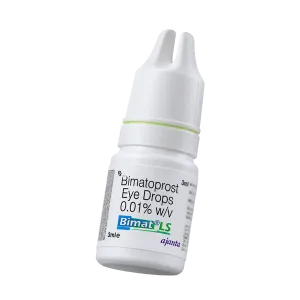
Bimat bottle

Active ingredient: Bimatoprost
0.03percentage
From $42.64
pills
3.9 (4)

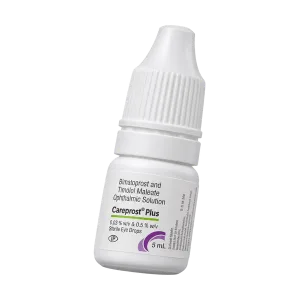
Careprost bottle

Active ingredient: Bimatoprost
0.03percentage
From $48.56
pills
3.6 (4)

Lumigan Current

Active ingredient: Bimatoprost
0.03percentage
From $93.58
pills
4.4 (4)

Comparison table: Glaucoma

Common questions

How long does one Lumigan dose keep working?

A single evening application is designed to provide pressure-lowering activity across approximately 24 hours. FDA prescribing information from 2023 describes once-daily administration as the standard schedule for the ophthalmic solution. The exact duration can vary with drainage, adherence, baseline pressure, and the presence of other glaucoma treatments. Applying extra drops does not reliably extend the effect.

Can Lumigan be used during pregnancy or breastfeeding?

Pregnancy and breastfeeding require an individual risk-benefit decision because systemic exposure can occur after eye-drop administration. The FDA product information from 2023 advises that treatment decisions should consider the potential benefit to the mother and possible risk to the infant. The eye specialist should know about pregnancy, plans to conceive, or breastfeeding before treatment begins. Nasolacrimal occlusion after the drop may reduce drainage into the nose and limit systemic exposure.

How does Lumigan differ from latanoprost or travoprost?

Lumigan contains bimatoprost, while latanoprost and travoprost contain different prostaglandin-analogue active substances. Clinical guidance from NICE, updated in 2022, treats these medicines as related options whose selection depends on pressure control and tolerability. Bimatoprost may cause visible redness, eyelash changes, or periocular pigmentation in some patients. The most suitable option depends on the pressure target, eye history, and response during follow-up.

Can Lumigan affect driving, concentration, or machinery work?

Temporary blurred vision can occur immediately after applying an eye drop, especially when excess solution remains on the tear film. The FDA safety information from 2023 supports waiting until vision is clear before driving or operating machinery. Lumigan does not usually cause sedation or reduced concentration as a central nervous system effect. Severe or persistent visual disturbance needs prompt ophthalmic assessment.

How long does treatment last, and is long-term use acceptable?

Lumigan is commonly used for as long as pressure control is needed and the eye specialist considers the benefit greater than the local risks. The EMA product information from 2024 describes ongoing monitoring of intraocular pressure, ocular inflammation, pigmentation, and other eye findings during treatment. Glaucoma therapy may continue for years because stopping can allow pressure to rise again. A clinician may change the treatment when the target pressure, eye condition, or tolerability changes.

How soon can the pressure-lowering effect become noticeable?

Bimatoprost can begin lowering intraocular pressure within several hours, but patients may not feel any difference. A 2021 PubMed-indexed review of prostaglandin therapy describes the clinical response as developing through regular daily use rather than through a noticeable sensation. Eye-pressure measurement is the dependable way to judge the effect. Visual-field preservation is assessed over a much longer period.

What should be discussed with an eye specialist before starting Lumigan?

Discuss previous uveitis, macular oedema, cataract surgery, aphakia, severe dry eye, and any allergy to eye drops. The WHO Guide to Good Prescribing from 1994 supports documenting concurrent medicines and relevant eye history before treatment. Provide a complete list of glaucoma drops, steroid drops, allergy drops, and lubricants. Mention pregnancy, breastfeeding, planned eye surgery, and any sudden change in vision.

Do you offer anonymous delivery?

Your order will be securely packed and shipped within 24 hours. This is exactly what your package will look like (images of an actual item sent). It has the size and look of a regular private letter (9.4x4.3x0.3 in.) and its contents cannot be seen.

Customer Feedback on Lumigan

4.4 Based on 4 reviews
Lee B., 31 Tampa Three months
Oct 23, 2026
Rating: 5 out of 5
My pressure readings became more stable, and I did not notice the heavy feeling around my eyes that I had before treatment. The evening drop fit easily into my routine, and the bottle was simple to use.
Darren, 69 Kansas City Six weeks
Nov 8, 2026
Rating: 3 out of 5
The pressure reduction was helpful, although my eyes looked red for part of the morning. The redness became less distracting after a few weeks, but I still preferred using the drop later in the evening.
Oliver, 36 Cleveland Four months
Nov 12, 2026
Rating: 4.5 out of 5
The follow-up testing showed the result my eye specialist wanted, and I kept my vision routine unchanged.
Luke, 26 Las Vegas Two months
Nov 21, 2026
Rating: 5 out of 5
I had no trouble remembering the evening application after linking it with brushing my teeth. My eyes felt more comfortable at the follow-up, and the once-daily schedule was convenient.

Sources

  1. U.S. Food and Drug Administration (FDA) (2023). Prescribing Information for LUMIGAN (bimatoprost ophthalmic solution) 0.01%.
  2. U.S. Food and Drug Administration (FDA) (2011). LUMIGAN (bimatoprost ophthalmic solution) Prescribing Information.
  3. National Institute for Health and Care Excellence (NICE) (2022). Glaucoma: Diagnosis and Management.
Get our free app Shop faster and track your orders 4.0 · 378 reviews Install