- Worldwide Delivery
- Quality Guaranteed
- Bonus pills
- 24/7 Support
Cephalexin is an oral antibiotic for people with susceptible bacterial infections affecting areas such as the skin, urinary tract, and respiratory tract. It helps treat these infections by disrupting the bacterial cell wall needed for survival.
Overview
Cephalexin treats susceptible bacterial infections of the skin, urinary tract, respiratory tract, and other tissues. Cephalexin is the active substance in this oral antibiotic and belongs to the first-generation cephalosporin class. It kills bacteria by disrupting the cell wall they need to survive.
Dosage and administration
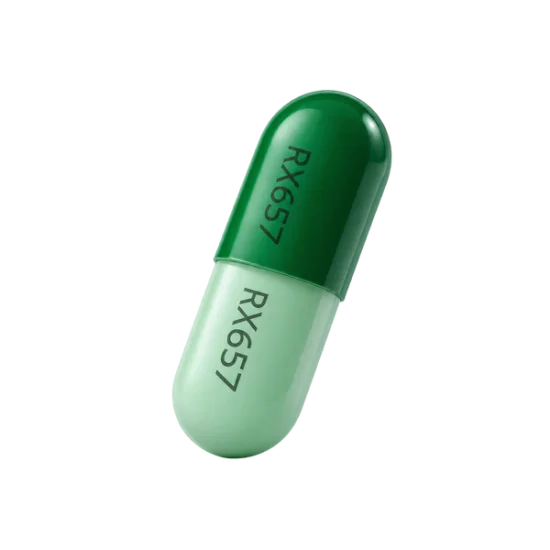
Cephalexin is administered orally. The available pharmaceutical presentation may be a capsule, tablet, or another oral formulation selected for the patient’s age, swallowing ability, infection, and prescribed regimen.
The amount per intake is individualized rather than fixed for every person. Prescribers consider the infection site, severity, kidney function, age, body weight, and bacterial susceptibility. Pediatric treatment is commonly calculated by body weight, while adult treatment is adjusted to the infection and renal function.
Treatment instructions commonly specify:
- The number of daily doses
- The amount taken at each administration
- The duration of treatment
- Whether the medicine should be taken with food
- Any adjustment required for reduced kidney function
Cephalexin can generally be taken with or without food. Taking it with food may make mild stomach upset easier to tolerate. Water is the most practical drink for administration.
Do not crush or split an oral product unless the prescribed formulation is designed for that use. A modified-release product, if prescribed, must be handled according to its specific instructions. Complete the prescribed course unless the prescriber changes it because of an allergic reaction, serious adverse effect, or a different clinical finding.
Formulation
The active substance is cephalexin, an oral antibiotic of the first-generation cephalosporin class. It works by disrupting the bacterial cell wall required for bacterial survival.
How it affects the body
The main pharmacological action is bactericidal. Cephalexin binds to bacterial penicillin-binding proteins and interferes with peptidoglycan cross-linking. Peptidoglycan is a structural material that gives the bacterial cell wall strength. Without adequate cell-wall formation, susceptible bacteria rupture and die.
First-generation cephalosporins generally provide stronger coverage against many gram-positive organisms than against resistant gram-negative organisms. Laboratory susceptibility testing can help determine whether a particular bacterial strain is likely to respond. The WHO AWaRe antibiotic book places antibiotic selection within the wider principles of targeted treatment, appropriate duration, and antimicrobial stewardship [2]. Cochrane reviews assess evidence for antibiotic interventions.
Therapeutic indications
Common clinical uses include:
- Skin and soft-tissue infections caused by susceptible bacteria
- Streptococcal throat infections
- Some respiratory tract infections
- Certain urinary tract infections
- Selected bone and joint infections
- Other infections confirmed or judged likely to respond to cephalexin
Cephalexin does not treat influenza, the common cold, or other viral illnesses. The FDA prescribing information describes activity against susceptible strains of organisms such as Streptococcus species and methicillin-susceptible Staphylococcus aureus [1].
A bacterial infection may begin improving before the full course is finished. Symptoms alone do not prove that the infection has cleared.
Common mistakes
Several practical errors can reduce treatment success or increase harm:
- Starting leftover cephalexin for a new illness
- Saving unused doses for a future infection
- Taking doses at irregular times
- Doubling the next dose after a missed intake
- Stopping after the first day of improvement without clinical direction
- Treating a cold or influenza with an antibiotic
- Ignoring a history of severe penicillin or cephalosporin allergy
- Using anti-diarrheal medication despite blood, fever, or severe abdominal pain
- Forgetting to mention kidney disease
- Sharing capsules or tablets with another person
Another common mistake is confusing an antibiotic-associated rash with a harmless irritation. Hives, facial swelling, breathing problems, blistering, or skin peeling need urgent assessment rather than another dose.
Reasons not to use it
Cephalexin is not suitable for a person who has previously experienced a serious immediate reaction to cephalexin or another cephalosporin. A history of severe beta-lactam allergy requires careful clinical review before treatment.
Tell the prescriber about:
- Anaphylaxis after penicillin or a cephalosporin
- Angioedema, wheezing, or throat swelling after an antibiotic
- Severe blistering or peeling skin after medication
- Kidney disease or dialysis
- Previous antibiotic-associated colitis
- Pregnancy or breastfeeding
- Current use of warfarin or another medicine affected by infection or antibiotic treatment
Penicillin and cephalosporin antibiotics share a beta-lactam ring, so allergic cross-reactivity is possible. The risk varies with the specific agents, the chemical side chains, and the type of previous reaction. A mild, remote rash is clinically different from an immediate anaphylactic reaction. The FDA safety information advises caution in patients with a history of hypersensitivity to penicillins or other beta-lactams .
Cephalexin may interact with probenecid, which can increase cephalexin exposure. Antibiotic treatment can also affect anticoagulation control in some people taking warfarin, so additional monitoring may be required. Kidney impairment can increase drug exposure and may require a lower total daily amount or wider dosing intervals.
When this is not for you
This medication is not for you if a previous cephalosporin reaction caused anaphylaxis, severe skin peeling, or organ involvement. It also may be inappropriate when the illness is viral, the suspected bacteria are resistant, or kidney function makes the planned regimen unsuitable.
Possible side effects
Cephalexin is often tolerated without serious problems, but adverse reactions can occur. Gastrointestinal symptoms are among the reactions patients report most often. The FDA identifies diarrhea, nausea, vomiting, abdominal discomfort, rash, and hypersensitivity reactions among possible adverse effects [1].
Common or less serious effects may include:
- Nausea
- Loose stools or diarrhea
- Abdominal discomfort
- Vomiting
- Headache
- Mild skin rash
- Vaginal or oral yeast overgrowth after antibiotic exposure
Most mild digestive symptoms settle during or shortly after treatment. Small, frequent meals can help with nausea. Persistent watery diarrhea requires attention because antibiotic-associated colitis can occur during treatment or after the final dose.
A headache alone is usually not an emergency. A headache accompanied by facial swelling, breathing difficulty, widespread hives, blistering skin, or faintness requires urgent medical care.
Rare but serious reactions include anaphylaxis, severe cutaneous reactions, blood abnormalities, liver injury, and Clostridioides difficile-associated diarrhea. Seek urgent care for swelling of the lips or tongue, wheezing, trouble breathing, skin peeling, blistering, yellowing of the skin, or severe persistent diarrhea.

Comparison
Cephalexin should be compared by antibacterial spectrum and infection type, not by brand recognition. The right choice depends on the suspected organism, local resistance patterns, allergy history, organ function, and the need for tissue penetration.
| Antibiotic | Clinical positioning |
|---|---|
| Cephalexin | First-generation cephalosporin; commonly used for susceptible skin, soft-tissue, urinary, and selected respiratory infections |
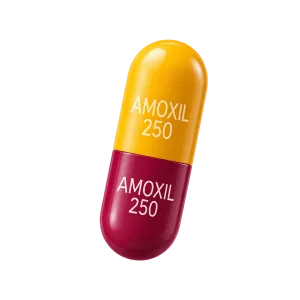
| Amoxicillin | Penicillin-family antibiotic; often selected for susceptible respiratory, dental, ear, and other infections |
| Azithromycin | Macrolide antibiotic; useful for selected respiratory pathogens and in some people who cannot take beta-lactams |
| Clindamycin | Lincosamide antibiotic; penetrates tissues well but carries a recognized risk of antibiotic-associated colitis |
Cephalexin and amoxicillin are both beta-lactam antibiotics, but their bacterial coverage is not identical. Azithromycin works by inhibiting bacterial protein synthesis rather than cell-wall formation. Clindamycin also blocks protein synthesis and may be chosen for specific tissue infections or allergy-related situations, though its gastrointestinal risk can be significant.
A prescriber may favor cephalexin when a susceptible gram-positive skin pathogen is likely and an oral beta-lactam is appropriate. Another antibiotic may be preferred when resistance, a severe beta-lactam allergy, atypical respiratory organisms, or a different infection site changes the clinical calculation. The CDC describes antibiotic selection as dependent on the infection, the organism, and patient-specific factors rather than on a single universal first choice [4].
What doctors say
In clinical practice, doctors select cephalexin when the likely bacteria, infection site, allergy history, and kidney function fit its spectrum. It is often considered a practical oral option for susceptible skin infections and some urinary or respiratory infections.
The main benefit is focused antibacterial activity against susceptible organisms. The limitation is equally clear: cephalexin cannot replace culture-directed treatment when resistance is likely, and it is not useful for viral disease.
Clinicians also look beyond the first improvement. Reduced pain or fever does not prove that every pathogenic organism has been eliminated. If the infection is worsening, the diagnosis may be wrong, the organism may be resistant, an abscess may need drainage, or the treatment plan may need revision.
The National Institute for Health and Care Excellence recommends matching antibiotic choice and duration to the infection being treated, while reassessing people whose symptoms deteriorate or fail to improve as expected [3].
Comparison
Common questions
How does Cephalexin differ from amoxicillin?
Cephalexin is a first-generation cephalosporin, while amoxicillin belongs to the penicillin family of beta-lactam antibiotics. Their bacterial coverage overlaps in some conditions but differs against specific organisms and resistance mechanisms. The FDA (2023) prescribing information for cephalexin describes its activity against susceptible gram-positive bacteria and selected gram-negative organisms . A prescriber chooses between them according to the infection site, allergy history, local resistance data, and patient factors. Clinical review is needed if symptoms do not improve.
How soon does the effect of Cephalexin become noticeable?
Some people notice less pain, fever, swelling, or urinary discomfort within a few days when the infecting organism is susceptible and the diagnosis is correct. Improvement may take longer for deeper infections or infections requiring drainage or another procedure. The WHO (2022) antibiotic guidance stresses reassessment when symptoms worsen or fail to improve within the expected clinical window . Rapid symptom relief does not justify shortening the prescribed course without a treatment change from the prescriber.
How long does a Cephalexin course last, and is long-term use acceptable?
The course length depends on the infection, its severity, the organism, and the person’s response. Short courses are used for some uncomplicated infections, while deeper or more persistent infections may require a different duration. Long-term or repeated use is not appropriate as a self-directed strategy because it can promote resistance, disturb normal flora, and increase adverse effects. NICE (2024) antimicrobial guidance published for clinical prescribing emphasizes using the shortest effective regimen suited to the diagnosed infection .
What happens when Cephalexin is stopped, and does it need tapering?
Cephalexin does not usually require tapering because it is an antibiotic rather than a medicine that causes physiological withdrawal through gradual dose reduction. Stopping early can allow an infection to persist or return, especially when symptoms improve before the bacteria are fully controlled. Stopping is appropriate when a serious allergic reaction or another significant adverse effect requires urgent medical direction. The FDA (2023) labeling describes immediate hypersensitivity and antibiotic-associated diarrhea as clinically relevant reasons for prompt assessment .
Can older adults use Cephalexin?
Older adults can use Cephalexin when the infection and allergy history support its use. Kidney function becomes especially relevant because renal clearance often decreases with age, even when a person feels well. Prescribers may adjust the total amount or dosing interval according to renal function and the severity of infection. The FDA (2023) prescribing information identifies renal impairment as a factor requiring attention during cephalexin treatment .
Do you offer anonymous delivery?
Your order will be securely packed and shipped within 24 hours. This is exactly what your package will look like (images of an actual item sent). It has the size and look of a regular private letter (9.4x4.3x0.3 in.) and its contents cannot be seen.
Customer Feedback on Cephalexin
Sources
- FDA (2023). KEFLEX (cephalexin) Capsules, USP: Prescribing Information.
- WHO (2022). The WHO AWaRe (Access, Watch, Reserve) antibiotic book.
- NICE (2024). Cellulitis and erysipelas: antimicrobial prescribing.
- CDC (2024). Antibiotic Use and Antimicrobial Resistance Facts.