Skip to content

Black Friday +8 free tablets with every order Nov 19 – Dec 2

Amoxil

Amoxil

Active ingredient: Amoxicillin

4.1 5 reviews In stock Overview
Dosage
Package
Package
Package

$31.27

$42.12 $46.91 Save 10%

$50.67 $62.54 Save 19%

$72.73 $93.81 Save 22%

$40.11

$52.42 $60.17 Save 13%

$64.81 $80.22 Save 19%

$89.61 $120.33 Save 26%

$125.81

$184.46 $188.72 Save 2%

$184.46 $188.72 Save 2%

$242.55 $251.62 Save 4%

$359.09 $377.43 Save 5%

Black Friday +8 free tablets with every order until Dec 2

Delivery: 4-7 business days

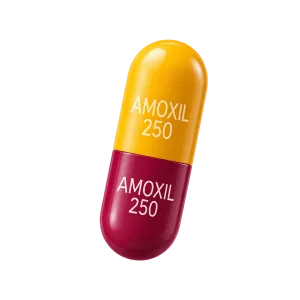
Amoxil 250 capsules deliver amoxicillin, an antibiotic that stops susceptible bacteria from building their protective cell wall. They are used for bacterial infections in adults and children when amoxicillin is an appropriate choice.

Overview

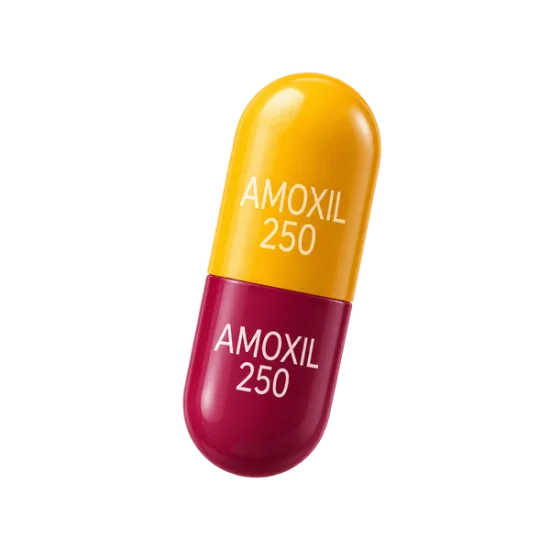
Amoxil contains amoxicillin, a penicillin-class beta-lactam antibiotic. The product is supplied as capsules marked 250. The regimen for the chosen strength should be confirmed with a healthcare professional before starting. Amoxicillin works against susceptible bacteria by interfering with enzymes that create and repair the bacterial cell wall.

Dosage and administration

The regimen for the selected strength must be confirmed with a healthcare professional before starting. Amoxil 250 capsules are taken by mouth with water, at the prescribed intervals, for the prescribed duration.

  • Swallow each capsule whole with water.
  • Take doses at evenly spaced times to maintain antibacterial exposure.
  • Follow the prescribed course even if symptoms improve early.
  • If a dose is missed, take it when remembered unless the next scheduled dose is close.
  • Do not take two doses together to compensate for a missed dose.
  • If vomiting occurs soon after a dose, obtain specific advice rather than automatically repeating it.
  • Keep the capsules away from children and use them only for the person whose infection was assessed.

Amoxicillin can be taken with food when stomach upset occurs. Food does not remove the need for regular timing. A phone reminder helps when the regimen involves several daily doses.

The dose may need adjustment in significant kidney impairment. Children require weight-based prescribing, and the capsule strength may not be suitable for every child who needs amoxicillin. Pregnancy and breastfeeding require an individual assessment of the infection and treatment choice.

A common practical error is stopping after the fever disappears. Symptoms may improve before the infection is fully controlled, so follow the prescribed duration rather than using symptom relief as the stopping point.

Formulation

Amoxil contains amoxicillin, a penicillin-class beta-lactam antibiotic. The product is supplied as capsules marked 250. The regimen for the chosen strength should be confirmed with a healthcare professional before starting. Amoxicillin is absorbed after oral administration and distributed through body tissues. The kidneys remove much of the drug, so reduced kidney function can change the regimen.

Tell the prescriber about any previous reaction to penicillin or cephalosporin antibiotics before the regimen is selected. A past rash and a past episode involving breathing difficulty are clinically different histories.

How it affects the body

Amoxicillin attaches to bacterial penicillin-binding proteins. These proteins help link peptidoglycan strands, which give the bacterial cell wall its strength. When this process is blocked, growing bacteria become unstable and can rupture.

The drug acts on bacteria rather than viruses. It will not shorten an uncomplicated viral cold, influenza, or most viral sore throats. Using an antibiotic for a viral illness exposes the person to adverse effects without treating the cause and contributes to antimicrobial resistance.

Amoxil belongs to the beta-lactam group. Its activity is related to penicillin V, while its oral absorption and antibacterial spectrum differ in clinically relevant ways. Some bacteria produce beta-lactamase enzymes that break down amoxicillin; in those cases, a different treatment may be required. The World Health Organization places amoxicillin within the group of widely used antibacterial medicines whose use should match the suspected or confirmed infection [2].

Infection-specific prescribing

A clinician may use amoxicillin when the likely bacteria are susceptible. Throat infections caused by susceptible streptococci, selected ear infections, certain dental infections, and some urinary or respiratory infections can be treated with amoxicillin. The same capsule strength can form part of different regimens, so the number of capsules and treatment duration are not interchangeable between illnesses.

Culture and susceptibility testing can be useful when an infection is severe, recurrent, unusual, or not improving. A sample may identify the organism and show whether amoxicillin is likely to work.

Do not save leftover capsules for a future sore throat or share them with another person. The right antibiotic depends on the infection, allergy history, kidney function, and local bacterial resistance.

Therapeutic indications

The medicine may be prescribed for bacterial infections affecting the ears, throat, sinuses, chest, urinary tract, skin, or other tissues. The precise indication depends on the organism involved, the infection site, local resistance patterns, and the patient’s medical history. The FDA identifies amoxicillin as an antibacterial drug used for susceptible bacterial infections [1].

Common mistakes

Several errors reduce the chance of a good result or increase risk:

  • Taking amoxicillin for a viral cold or influenza
  • Using capsules left from an earlier infection
  • Taking doses at widely different times
  • Doubling after a missed dose
  • Stopping as soon as the fever falls
  • Ignoring a history of penicillin allergy
  • Taking another person’s antibiotic
  • Continuing treatment despite facial swelling or breathing difficulty
  • Using anti-diarrheal treatment for severe diarrhea without assessment
  • Assuming every rash is harmless

The capsule strength does not determine the correct regimen by itself. Different infections require different schedules, and children’s doses are calculated differently from adult doses.

One easily missed issue is methotrexate. People may not think of it as an interacting medicine because it can be prescribed for inflammatory disease rather than infection. It still needs to be disclosed before amoxicillin is started.

Reasons not to use it

Amoxil is not suitable for you if you have had a serious immediate allergic reaction to amoxicillin, penicillin, or a closely related beta-lactam. Symptoms such as airway swelling, severe wheezing, collapse, or widespread blistering after an antibiotic are critical history.

Extra caution or a modified regimen may be needed with:

  • Reduced kidney function
  • A history of antibiotic-associated colitis
  • Glandular fever or suspected infectious mononucleosis
  • Severe liver disease
  • Pregnancy or breastfeeding
  • A history of severe drug-related skin reactions

Amoxicillin can interact with medicines and laboratory testing. Tell the prescriber about all current treatment, including:

  • Warfarin and other anticoagulants, because infection and antibiotic treatment can alter anticoagulation control
  • Methotrexate, because penicillin antibiotics may increase methotrexate exposure
  • Allopurinol, because the combination can increase the likelihood of skin rash
  • Probenecid, which can raise amoxicillin concentrations
  • Oral typhoid vaccine, because antibacterial treatment may reduce vaccine activity

Hormonal contraceptive advice should be individualized. Diarrhea or vomiting can reduce oral contraceptive absorption, and specific guidance may be needed in that situation.

A useful medication-history detail is the exact description of any previous antibiotic reaction: itching alone, a delayed rash, facial swelling, breathing difficulty, or hospital treatment lead to different prescribing decisions.

Possible side effects

Digestive symptoms are among the more frequent problems with amoxicillin. Nausea, loose stools, abdominal discomfort, and vomiting may occur. Taking the capsule with food can make mild stomach upset easier to tolerate.

Skin reactions can range from a mild rash to a serious allergic response. Hives, swelling of the lips or face, wheezing, difficulty breathing, faintness, blistering, or peeling skin require urgent medical attention. A new widespread rash with fever also needs prompt assessment.

Possible adverse effects include:

  • Diarrhea or loose stools
  • Nausea or vomiting
  • Abdominal discomfort
  • Headache
  • Skin rash or itching
  • Oral or vaginal thrush
  • Temporary changes in liver blood tests
  • Rare blood-count or kidney-related abnormalities

Antibiotic-associated diarrhea can occur during treatment or after it ends. Severe, persistent, bloody, or watery diarrhea needs prompt medical assessment because antibiotic-associated colitis can be serious. Avoid self-treating significant diarrhea with anti-motility products without clinical advice.

One detail patients sometimes miss is that a mild rash during certain viral infections, especially infectious mononucleosis, can occur after amoxicillin and does not automatically prove a penicillin allergy. The prescriber still needs to assess the rash carefully.

Another practical point: oral thrush or vaginal yeast symptoms can appear after antibiotics because normal protective bacteria are altered. Persistent symptoms require assessment rather than repeated self-treatment.

Comparison

Antibiotic approach Main pharmacological feature Typical prescribing consideration
Amoxicillin Oral penicillin-class beta-lactam Used when susceptible bacteria are likely and penicillin treatment is suitable
Penicillin V Narrower penicillin-class beta-lactam Often selected when a narrow spectrum is appropriate for a susceptible infection
Doxycycline Tetracycline-class antibiotic Used for selected infections when its spectrum and patient factors fit

Amoxicillin is often preferred when the suspected organism is susceptible and an oral penicillin is suitable. A narrower antibiotic may be chosen to limit unnecessary antimicrobial exposure. Doxycycline works through a different mechanism and is not an automatic substitute; age, pregnancy, infection site, allergy history, and local resistance all influence selection.

The EMA describes antibiotic choice as dependent on the infection, susceptibility, dosing requirements, and patient-specific safety factors [3]. Switching between antibiotics without a clinical reason can leave the infection undertreated or expose the patient to avoidable adverse effects.

What doctors say

In clinical practice, doctors usually focus first on whether the illness is bacterial and whether amoxicillin is likely to cover the suspected organism. A sore throat, cough, or colored nasal mucus alone does not establish that an antibiotic is needed.

Prescribers also consider recent antibiotic exposure. A course taken recently can alter the likelihood of resistant bacteria and may change the preferred treatment. Repeated infections call for evaluation of the cause rather than repeated courses without assessment.

Kidney function matters because amoxicillin is cleared largely through the kidneys. A standard adult regimen may be unsuitable when renal function is substantially reduced. The FDA prescribing information includes renal dosing considerations and warnings about allergic reactions, diarrhea, and superinfection .

Doctors also assess response. Persistent fever, worsening pain, breathing difficulty, dehydration, confusion, or new swelling can indicate a complication or a different diagnosis. Lack of improvement does not mean the person should simply increase the number of capsules.

Comparison

Amoxil Current

Active ingredient: Amoxicillin
250mg 500mg 1000mg
From $31.27
pills
4.1 (5)

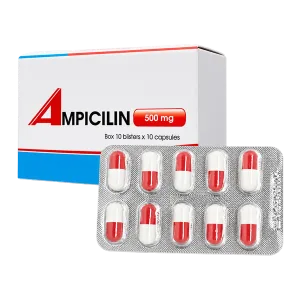
Ampicillin

Active ingredient: Ampicillin
250mg 500mg
From $32.95
pills
3.8 (5)

Augmentin

Active ingredient: Amoxicillin, Clavulanic Acid
625mg
From $73.12
pills
4.3 (4)

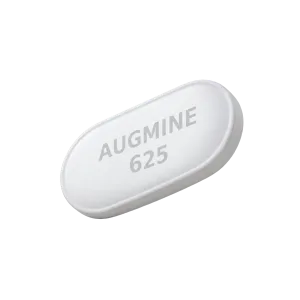
Augmine

Active ingredient: Amoxicillin, Clavulanic Acid
625mg
From $73.12
pills
4.3 (4)

Bactrim

Active ingredient: Sulfamethoxazole, Trimethoprim
480mg 960mg
From $27.80
pills
3.7 (3)

Comparison table: Antibiotics

Common questions

What should be discussed with a doctor before starting Amoxil?

Discuss previous reactions to penicillin or cephalosporin antibiotics, kidney disease, severe liver problems, pregnancy, breastfeeding, and recent antibiotic use. Provide a full list of medicines, especially warfarin, methotrexate, allopurinol, and probenecid. The FDA prescribing information, reviewed in 2025, emphasizes allergy assessment, renal considerations, and clinically significant adverse reactions before treatment begins . The chosen regimen should match the infection rather than being based only on the capsule strength. The prescriber can then decide whether testing or a different antibiotic is needed.

Can people under 18 use Amoxil?

Children can receive amoxicillin when a clinician confirms a suitable bacterial indication and calculates the regimen according to body weight, age, kidney function, and infection type. A 250 mg capsule may not be appropriate for every child, especially when swallowing capsules is difficult or a more precise liquid dose is needed. The American Academy of Pediatrics and FDA pediatric prescribing principles, applied in 2025, support weight-based antibiotic selection rather than automatic use of an adult schedule. Parents should never estimate a child’s number of capsules from an adult prescription.

How long does one dose of Amoxil keep working?

Amoxicillin is cleared from the body relatively quickly, so treatment schedules use repeated doses rather than relying on one capsule for an entire day. The duration of antibacterial coverage depends on kidney function, the prescribed interval, and the bacteria involved. The EMA product information framework, current through 2025, bases dosing intervals on maintaining suitable exposure during the treatment period. Missing doses can create periods with less drug available against the infection, so regular timing matters.

Can Amoxil be combined with warfarin?

Amoxicillin may be used with warfarin in some patients, but the combination requires clinical monitoring because infection, diet changes, and antibiotic treatment can alter anticoagulation control. Report unusual bruising, nosebleeds, blood in urine or stool, or other bleeding promptly. The FDA identifies anticoagulant monitoring as a relevant consideration in patients receiving amoxicillin and warfarin, with prescribing practice reviewed in 2025. Do not change the warfarin dose independently.

Does Amoxil cause diarrhea?

Yes, diarrhea and loose stools are recognized adverse effects of amoxicillin. Mild symptoms may settle during or shortly after treatment, while severe, persistent, watery, or bloody diarrhea can signal antibiotic-associated colitis and requires prompt assessment. The WHO antimicrobial safety guidance published in 2024 describes diarrhea as a common consequence of antibiotic exposure and stresses attention to severe symptoms. Avoid using leftover antibiotics or anti-diarrheal medicines to manage significant symptoms without medical direction.

Do you offer anonymous delivery?

Your order will be securely packed and shipped within 24 hours. This is exactly what your package will look like (images of an actual item sent). It has the size and look of a regular private letter (9.4x4.3x0.3 in.) and its contents cannot be seen.

Customer Feedback on Amoxil

4.1 Based on 5 reviews
Harry, 28 New York
Nov 10, 2026
Rating: 3 out of 5
I used the 250 mg capsules for a bacterial throat infection. The throat pain eased after several days, but the first part of the course gave me loose stools and mild stomach cramping. I finished the prescribed course, and the digestive symptoms settled afterward.
Jack R., 67 Boston
Oct 12, 2026
Rating: 5 out of 5
Amoxil helped clear a chest infection and made breathing more comfortable over the following days. I took each capsule with breakfast or another meal when possible, which kept my stomach settled. The capsule format was straightforward for me.
Liam, 47 Minneapolis
Oct 29, 2026
Rating: 5 out of 5
I used the capsules for a dental infection and noticed the swelling and tenderness reduced during treatment. The improvement was gradual rather than immediate, but eating became easier within the course. I was satisfied with how manageable the treatment was.
Adam, 55 Phoenix
Oct 17, 2026
Rating: 5 out of 5
Amoxil was prescribed for a bacterial sinus infection. Pressure around my face eased over several days, and I returned to normal meals without the constant discomfort. Remembering the doses at the same times each day made the course simple.
Stephen, 61 Jacksonville
Nov 3, 2026
Rating: 2.5 out of 5
the capsules did not improve my cough after the expected period, and I developed a widespread itchy rash. I stopped taking further doses and spoke with a doctor, who assessed the reaction and changed the treatment. Amoxicillin was not suitable for me.

Sources

  1. U.S. Food and Drug Administration (FDA) (2025). Amoxicillin prescribing information and antibacterial drug labeling.
  2. World Health Organization (WHO) (2024). WHO AWaRe Antibiotic Book.
  3. European Medicines Agency (EMA) (2025). Amoxicillin: Summary of Product Characteristics.
Get our free app Shop faster and track your orders 4.0 · 378 reviews Install