Skip to content

Black Friday +8 free tablets with every order Nov 19 – Dec 2

Doxycycline

Doxycycline

Active ingredient: Doxycycline

3.7 5 reviews In stock Overview
Package

$43.25

$77.86 $86.50 Save 10%

$99.49 $129.75 Save 23%

$109.58 $173.00 Save 37%

$135.54 $259.50 Save 48%

Black Friday +8 free tablets with every order until Dec 2

Delivery: 4-7 business days

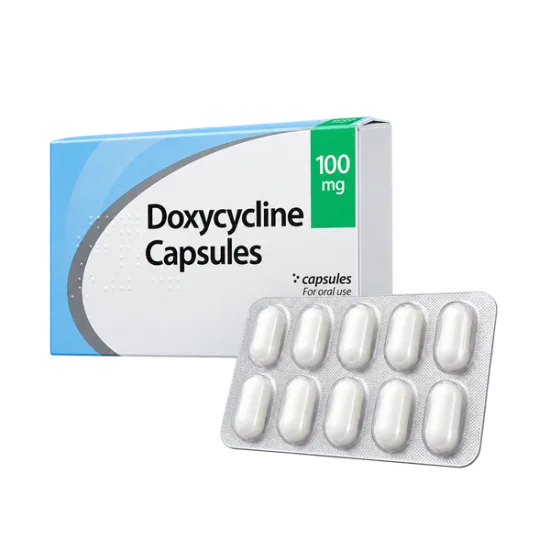
Doxycycline treats susceptible bacterial infections, including acne, rosacea, chlamydia, and Lyme disease. Doxycycline capsules contain a tetracycline antibiotic that blocks bacterial protein production, slowing the growth of microorganisms responsible for infection.

Overview

Doxycycline is an oral tetracycline antibiotic used against susceptible bacteria and certain organisms involved in tick-borne, sexually transmitted, respiratory, and skin infections. Its active ingredient is doxycycline, which belongs to the tetracycline class of antibiotics.

Dosage and administration

Follow the prescribed schedule. Do not change the number of capsules, dosing interval, or treatment duration without a clinician’s instruction.

Key administration points include:

  • Swallow the capsule with a full glass of water.
  • Take it while sitting or standing.
  • Remain upright for at least 30 minutes after taking it.
  • Take each dose at a consistent time.
  • Separate doxycycline from antacids and supplements containing calcium, magnesium, aluminum, iron, or zinc because these minerals can reduce absorption.
  • If a dose is missed, take it when remembered unless the next dose is close; never double the next dose.
The 30-minute upright period is easy to underestimate. Taking doxycycline immediately before lying down is a common cause of painful esophageal irritation.

Dairy products may also interfere with absorption in some circumstances. The exact separation interval depends on the formulation and regimen, so the prescribing instructions should determine timing.

Formulation

The active ingredient is doxycycline. The dose is decided individually based on age, other medicines, health conditions, and the infection being treated.

How it affects the body

After absorption, doxycycline enters susceptible bacterial cells and binds reversibly to the 30S ribosomal subunit. This prevents transfer RNA from attaching to the ribosome, which interrupts bacterial protein synthesis. Without newly made proteins, bacterial growth and reproduction slow.

Doxycycline is generally described as bacteriostatic. That means it suppresses bacterial multiplication rather than directly destroying every bacterial cell. The immune system then helps clear the organisms that remain.

Food and Drug Administration (FDA) recognizes doxycycline as an antibacterial treatment for several clinically established indications [1].

Therapeutic indications

Doxycycline is prescribed for bacterial infections and selected inflammatory skin conditions. The treatment plan depends on the diagnosis, infection site, bacterial susceptibility, age, pregnancy status, kidney and liver health, and other medicines.

Common clinical uses include:

  • Acne vulgaris with significant inflammatory lesions
  • Rosacea with inflammatory papules or pustules
  • Chlamydia infections
  • Early Lyme disease
  • Certain tick-borne and rickettsial infections
  • Selected respiratory infections
  • Some periodontal infections
  • Malaria prevention in appropriate travel settings
  • Other susceptible infections identified by a clinician

For acne and rosacea, doxycycline can reduce bacterial activity and inflammatory signaling. Lower anti-inflammatory regimens may be used for some dermatological conditions, while antimicrobial regimens are selected when bacterial infection requires treatment. These approaches are not interchangeable.

Lyme disease treatment depends on the stage of infection and the symptoms involved. Doxycycline is commonly used for early disease when appropriate. Neurological, cardiac, or joint involvement may require a different treatment plan, duration, or route of administration.

Chlamydia treatment requires attention to partner management, testing recommendations, and completion of the prescribed course. Symptoms can improve before the infection has fully cleared.

Dermatological Applications for Inflammatory Skin Conditions

Doxycycline can reduce inflammatory lesions in acne and rosacea. Its anti-inflammatory activity includes effects on neutrophil function and inflammatory enzymes, separate from its antibacterial action.

The dose used for inflammatory skin disease may differ from the dose used for an acute bacterial infection. Products formulated for sub-antimicrobial treatment are designed to limit antibacterial exposure, so they should not be substituted casually for standard antimicrobial capsules.

Management of Systemic and Sexually Transmitted Bacterial Infections

For systemic infections, the prescribed regimen is based on the organism, affected tissue, disease severity, and treatment guidelines. Treatment completion matters because stopping as soon as symptoms ease may leave viable bacteria behind.

Resistance monitoring also matters. Doxycycline should not be selected solely because it has treated a similar illness in the past. The diagnosis and current clinical context determine whether it is suitable.

Common mistakes

Several habits reduce tolerability or make treatment less reliable:

  • Taking the capsule with only a sip of water
  • Lying down immediately after swallowing it
  • Taking it at the same time as iron or magnesium
  • Stopping once fever, discharge, or skin inflammation improves
  • Doubling a dose after a missed capsule
  • Treating a common cold with leftover doxycycline
  • Spending prolonged time in direct sunlight without protection
  • Sharing capsules with a partner or family member
  • Crushing a capsule to make it easier to swallow
  • Forgetting to mention isotretinoin, warfarin, or mineral supplements
A simple medication list should include vitamins, antacids, workout supplements, and acne treatments. Mineral products are often omitted even though they can interfere with doxycycline absorption.

A person treating chlamydia should also follow the full sexual-health plan provided by the clinician, including partner management and any recommended testing. Symptom improvement does not prove that transmission risk has ended.

Reasons not to use it

Important interactions include:

  • Antacids containing aluminum, calcium, or magnesium
  • Iron supplements
  • Zinc supplements
  • Bismuth-containing products
  • Oral retinoids such as isotretinoin
  • Warfarin and other anticoagulants requiring monitoring
  • Medicines that raise the risk of intracranial hypertension

The FDA prescribing information describes tooth discoloration and effects on bone growth as reasons for age-related caution, while current clinical practice recognizes situations in which doxycycline can still be selected for younger children with serious infections [2].

When this is not for you

This medication is not for you if:

  • You have had a serious allergic reaction to doxycycline or another tetracycline.
  • You are taking isotretinoin and a clinician has not reviewed the combination.
  • You are pregnant unless a prescriber has determined that treatment is necessary.
  • You are breastfeeding without discussing the treatment with a clinician.
  • The intended illness is viral rather than bacterial.
  • You have severe swallowing problems or a condition that makes remaining upright after dosing difficult.

Children younger than 8 years generally should not receive doxycycline unless a specialist determines that the benefits outweigh the risks. Short courses may be used in some serious infections when alternatives are unsuitable.

Possible side effects

Common adverse effects include nausea, stomach discomfort, vomiting, loose stools, and diarrhea. Taking the capsule with adequate water can reduce upper gastrointestinal irritation, although food instructions depend on the specific regimen.

Photosensitivity is another recognized reaction. Skin may burn more quickly during sun exposure, even when sunlight previously caused no problem. Use protective clothing and limit intense ultraviolet exposure during treatment.

Seek urgent medical attention for:

  • Trouble breathing, facial swelling, or widespread hives
  • Severe headache with blurred or double vision
  • Painful swallowing or severe chest pain after taking a capsule
  • Profuse or persistent diarrhea, especially with abdominal cramps or blood
  • Severe blistering, peeling, or painful skin rash
  • Yellowing of the skin or eyes
  • Severe weakness, fainting, or an unusual bleeding pattern

Antibiotic-associated diarrhea can occur during treatment or after it ends. Persistent watery diarrhea may indicate Clostridioides difficile colitis and needs prompt medical assessment.

Gastrointestinal Tolerability and Administration Best Practices

Nausea is more likely when doxycycline is taken with too little water or immediately before bed. A full glass of water helps the capsule pass into the stomach.

One practical detail is easy to miss: a person may mistake esophageal irritation for heartburn. Pain behind the breastbone or painful swallowing after a dose is a reason to stop further doses until a clinician gives specific advice.

Photosensitivity and Esophageal Safety Warnings

Sun sensitivity can develop during the course, not only after the first capsule. Avoid prolonged midday exposure and use physical protection such as long sleeves and a broad-brimmed hat.

Do not open, crush, or chew the capsule unless the product instructions specifically allow it. Altering the dosage form can increase local irritation and change how the medicine is delivered.

Comparison

Antibiotic selection depends on the organism, infection site, allergy history, pregnancy status, local resistance, and treatment guidelines. The table compares classes rather than commercial products.

Approach Typical clinical role Main limitation
Doxycycline, tetracycline Acne, rosacea, Lyme disease, chlamydia, selected respiratory and tick-borne infections Photosensitivity, gastrointestinal irritation, mineral interactions
Azithromycin, macrolide Selected respiratory or sexually transmitted infections when clinically appropriate Resistance can limit use; gastrointestinal effects and cardiac cautions may apply
Amoxicillin, penicillin-class antibiotic Susceptible respiratory, dental, skin, and other infections Not suitable for serious penicillin allergy; limited activity against atypical organisms

Clindamycin may be selected for certain anaerobic or skin infections, though antibiotic-associated diarrhea is a major consideration. Cephalexin and amoxicillin-clavulanate have different coverage profiles and are not universal substitutes.

Minocycline may be considered for some dermatological conditions, but dizziness, pigmentation changes, and autoimmune reactions can influence the choice. Isotretinoin belongs to the retinoid group, not the antibiotic group, and is used for severe acne under structured monitoring.

Doxycycline can reach tissues that matter in respiratory, skin, and tick-borne infections. The trade-off is that its administration requirements are stricter than those of some alternatives.

What doctors say

In clinical practice, doctors usually judge doxycycline by three factors: whether the diagnosis is bacterial, whether the organism is likely to be susceptible, and whether the patient can take the medicine safely.

A prescriber will often review pregnancy status, allergy history, current supplements, acne or rosacea treatment, anticoagulants, and prior antibiotic reactions. They may also ask about swallowing difficulty and sun exposure because these details affect tolerability.

Doxycycline can be a useful choice when tissue penetration, intracellular activity, or anti-inflammatory effects are relevant. Its limits are just as practical: it can irritate the esophagus, increase sun sensitivity, and interact with mineral supplements.

The World Health Organization emphasizes antimicrobial stewardship, which means using antibiotics for a clear indication and avoiding unnecessary exposure. The aim is appropriate treatment, not simply the broadest possible antibacterial coverage [3].

Comparison

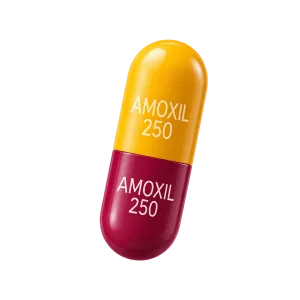
Amoxil

Active ingredient: Amoxicillin
250mg 500mg 1000mg
From $31.27
pills
4.1 (5)

Ampicillin

Active ingredient: Ampicillin
250mg 500mg
From $32.95
pills
3.8 (5)

Augmentin

Active ingredient: Amoxicillin, Clavulanic Acid
625mg
From $73.12
pills
4.3 (4)

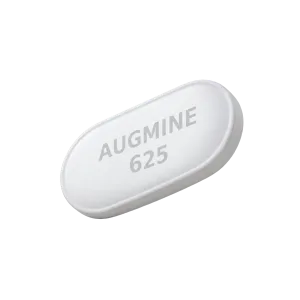
Augmine

Active ingredient: Amoxicillin, Clavulanic Acid
625mg
From $73.12
pills
4.3 (4)

Bactrim

Active ingredient: Sulfamethoxazole, Trimethoprim
480mg 960mg
From $27.80
pills
3.7 (3)

Comparison table: Antibiotics

Common questions

Which symptoms mean I should stop doxycycline and seek urgent medical help?

Severe allergic symptoms, painful swallowing, chest pain, intense headache with vision changes, blistering skin, jaundice, or persistent watery diarrhea require urgent assessment. The 2024 FDA medication guide identifies serious allergic reactions, intracranial hypertension symptoms, and antibiotic-associated diarrhea as conditions needing prompt attention . Mild nausea alone is common, but worsening symptoms should not be ignored. Do not take another dose after a severe reaction until a clinician gives specific instructions.

What should I discuss with a doctor before starting doxycycline?

Discuss pregnancy or breastfeeding, tetracycline allergy, swallowing difficulty, liver disease, sun exposure, and every medicine or supplement you take. Iron, calcium, magnesium, zinc, antacids, warfarin, isotretinoin, and oral retinoids are especially relevant. The 2023 WHO antimicrobial stewardship framework also supports confirming that an antibiotic is appropriate for the suspected infection before treatment begins . Bring the name and strength of every supplement, not just prescription medicines.

Does doxycycline cause photosensitivity?

Yes. Increased sensitivity to sunlight is a recognized doxycycline adverse effect, and the risk can occur during a short course. The 2023 EMA product information describes photosensitivity and advises protective measures during treatment [4]. Limit intense ultraviolet exposure, use protective clothing, and stop outdoor exposure if burning or an unusual rash develops. Severe blistering or widespread skin changes need urgent medical evaluation.

Can I drink alcohol while taking doxycycline?

Alcohol may worsen nausea, dizziness, or stomach irritation, and heavy alcohol use can make it harder to complete treatment. The 2024 FDA labeling does not define a universal safe alcohol quantity for every patient or indication . Avoid binge drinking and discuss alcohol use if you have liver disease, take warfarin, or use other medicines that affect the liver or nervous system. Alcohol should never be used to compensate for a missed dose.

Can children younger than 18 use doxycycline?

Children and adolescents may receive doxycycline for selected infections when a clinician determines that it is appropriate. The 2024 American Academy of Pediatrics and infectious-disease guidance recognize situations where doxycycline is used in younger children, including certain serious tick-borne infections [5]. Age, tooth-development considerations, infection severity, and available alternatives all affect the decision. Parents should not use leftover capsules or adjust the dose without a pediatric prescription. Follow-up helps confirm that treatment remains appropriate.

Do you offer anonymous delivery?

Your order will be securely packed and shipped within 24 hours. This is exactly what your package will look like (images of an actual item sent). It has the size and look of a regular private letter (9.4x4.3x0.3 in.) and its contents cannot be seen.

Formulations, Salt Forms, and Release Characteristics

Doxycycline may be formulated as doxycycline hyclate or doxycycline monohydrate. These are different salt forms of the same active antibiotic. When equivalent doxycycline amounts are used, both can produce clinically useful systemic exposure.

The supplied product is an oral doxycycline capsule. Other formulations may include tablets, delayed-release tablets, or liquid preparations. Release characteristics can affect swallowing instructions, gastrointestinal tolerability, and the timing of mineral interactions.

Doxycycline Hyclate and Doxycycline Monohydrate

Doxycycline hyclate and doxycycline monohydrate differ in chemical structure and formulation properties. They are not different antibiotic classes.

Some people experience more stomach discomfort with one formulation than another. This does not mean that changing salt forms is automatically appropriate; the prescribed product and dose should be followed.

Delayed-release products may use a formulation designed to release doxycycline more gradually. They should not be split, crushed, or substituted with ordinary capsules without specific instructions.

Minocycline is another tetracycline-class antibiotic, but it has a different pharmacokinetic and adverse-effect profile. It is not a direct replacement for doxycycline in every infection.

Customer Feedback on Doxycycline

3.7 Based on 5 reviews
Simon, 43 Chicago
Oct 13, 2026
Rating: 4.5 out of 5
I used the prescribed doxycycline capsules for a skin infection. The redness settled over the first week, and the area looked much better by the end of treatment. Taking each capsule with a full glass of water became part of my morning routine.
Catherine, 34 Houston
Oct 19, 2026
Rating: 4.5 out of 5
My doctor prescribed doxycycline for acne inflammation. The breakouts became less angry after several weeks, and I noticed fewer painful spots when washing my face. I kept the capsules away from my iron supplement, which made the schedule easier.
Andrew, 32 Tampa
Oct 23, 2026
Rating: 3 out of 5
Doxycycline helped with the infection, but my stomach felt unsettled during the first few days. Taking it with the meal timing allowed by my instructions made it easier, although the course worked more slowly than I expected.
Gemma D., 27 San Diego
Nov 2, 2026
Rating: 4.5 out of 5
I took doxycycline for a tick-borne infection and felt that the symptoms improved steadily during the prescribed course. I carried water with me and stayed upright after every capsule. The routine was manageable once I stopped taking doses close to bedtime.
Paul S., 69 Milwaukee
Nov 8, 2026
Rating: 2 out of 5
The capsules did not suit me. I developed persistent stomach problems and stopped after speaking with my doctor, who changed the treatment plan. The infection needed a different approach rather than simply continuing the same medicine.

Sources

  1. U.S. Food and Drug Administration (2024). Doxycycline prescribing information and medication guide.
  2. U.S. Food and Drug Administration (2024). Tetracycline-class antibacterial drug labeling information.
  3. World Health Organization (2023). WHO AWaRe antibiotic book: Antibiotic choices for common bacterial infections.
  4. European Medicines Agency (2023). Doxycycline product information: Summary of Product Characteristics.
  5. American Academy of Pediatrics (2024). Red Book: Report of the Committee on Infectious Diseases.
Get our free app Shop faster and track your orders 4.0 · 378 reviews Install