Skip to content

Black Friday +8 free tablets with every order Nov 19 – Dec 2

Augmentin

Augmentin

Active ingredient: Amoxicillin, Clavulanic Acid

4.3 4 reviews In stock Overview
Package

$73.12

$98.87 $109.68 Save 10%

$158.61 $219.36 Save 28%

$214.23 $329.04 Save 35%

$256.46 $438.72 Save 42%

Black Friday +8 free tablets with every order until Dec 2

Delivery: 4-7 business days

Adults and children with a confirmed or strongly suspected bacterial infection may be prescribed Augmentin, a combination of amoxicillin and clavulanic acid. The tablets treat susceptible respiratory, sinus, urinary, skin, soft-tissue, and dental infections. Amoxicillin damages bacterial cell-wall formation, while clavulanic acid blocks enzymes that can inactivate amoxicillin.

Overview

Augmentin contains amoxicillin trihydrate and potassium clavulanate. Together, these active ingredients form amoxicillin-clavulanate, an aminopenicillin antibiotic–beta-lactamase inhibitor combination.

Dosage and administration

Augmentin is taken by mouth as a tablet. The dose is decided individually, taking age, other medicines, and health conditions into account. The tablet should be used only according to the prescribed regimen; the number of tablets and the interval between doses are not interchangeable with other amoxicillin-clavulanate strengths.

Practical administration points include:

  • Swallow the tablet with water at the start of a meal.
  • Take doses at evenly spaced times as prescribed.
  • Complete the prescribed course unless a clinician changes the treatment because of an adverse reaction or another medical finding.
  • If a dose is missed, take it when remembered unless the next dose is close; do not double the dose.
  • Do not crush or chew the tablet unless a prescriber or pharmacist has specifically confirmed that this is suitable for the supplied formulation.
  • Do not share leftover tablets with another person.
  • Do not save remaining tablets for a future cough, toothache, or sinus symptom.

A course may be short or extended depending on the infection. Longer treatment is not automatically better. Repeated or unnecessarily prolonged exposure increases the chance of diarrhea, yeast overgrowth, liver injury, and antibiotic resistance.

Take each tablet at the start of a meal when possible. Food can improve clavulanate absorption and may reduce nausea or stomach discomfort.
A missed dose is best handled by checking the timing of the next scheduled dose. Taking two doses close together increases stomach upset without reliably improving antibacterial coverage.

Kidney impairment can require a different regimen or formulation. Children also require weight-based prescribing, and the adult tablet should not be substituted for a pediatric liquid without a specific instruction.

Formulation

Augmentin contains amoxicillin trihydrate and potassium clavulanate. Together, these active ingredients form amoxicillin-clavulanate, an aminopenicillin antibiotic–beta-lactamase inhibitor combination. The dose is decided individually, taking age, other medicines, and health conditions into account.

Amoxicillin belongs to the penicillin family of beta-lactam antibiotics. It interferes with enzymes bacteria need to build and maintain their cell walls. Clavulanic acid has limited antibacterial activity by itself, but it inhibits several beta-lactamase enzymes. These enzymes are produced by some bacteria and can otherwise break down amoxicillin before the antibiotic reaches its target. The clinical benefit therefore depends on a susceptible organism and an appropriate diagnosis.

The combination gives Augmentin broader activity than amoxicillin alone against susceptible organisms that produce beta-lactamase. It remains an antibacterial treatment, not a treatment for influenza, the common cold, or other viral illnesses. The FDA prescribing information describes amoxicillin-clavulanate as a treatment for selected infections caused by susceptible bacteria, while National Institute for Health and Care Excellence (NICE) guidance supports diagnosis-led antibiotic selection [1].

Active Ingredients and Mechanism of Action

Amoxicillin binds to bacterial penicillin-binding proteins. This disrupts peptidoglycan cross-linking, weakening the cell wall until the bacterium breaks down. Clavulanic acid protects part of the amoxicillin dose from destruction by beta-lactamase enzymes.

The effect depends on the organism causing the infection. A broad spectrum does not mean that every bacterium responds, and resistance can still occur. Culture results, the infection site, previous antibiotic exposure, kidney function, allergy history, and local resistance patterns all influence antibiotic selection.

How it affects the body

Amoxicillin is a beta-lactam antibiotic that binds to bacterial penicillin-binding proteins and disrupts peptidoglycan cross-linking, weakening the bacterial cell wall until the bacterium breaks down. Clavulanic acid inhibits beta-lactamase enzymes that would otherwise inactivate amoxicillin, thereby extending its activity against susceptible beta-lactamase-producing bacteria.

Therapeutic indications

Augmentin is prescribed for bacterial infections when the responsible organisms are susceptible to amoxicillin-clavulanate. Typical clinical uses include:

  • Acute bacterial sinusitis
  • Middle-ear infection, also called acute otitis media
  • Lower respiratory tract infections
  • Selected urinary tract infections
  • Skin and soft-tissue infections
  • Dental infections and some dental abscesses
  • Certain animal-bite or human-bite wound infections
  • Some bone and joint infections when directed by a specialist

Augmentin may be selected when beta-lactamase-producing bacteria are suspected. The choice still depends on the diagnosis. For example, a sore throat caused by a virus does not improve with Augmentin, even when fever or fatigue is present.

A clinician may use a different antibiotic when the infection is caused by a resistant organism, when a patient has a serious penicillin allergy, or when kidney or liver function changes the risk profile. The EMA product information describes amoxicillin-clavulanate dosing and indications according to infection type, age, renal function, and the formulation used [2].

Common mistakes

Several avoidable errors can reduce treatment quality or increase adverse effects:

  • Taking the tablet on an empty stomach despite nausea after previous doses
  • Treating a cold or flu with leftover Augmentin
  • Doubling the next dose after forgetting one
  • Stopping as soon as fever falls without confirming the treatment plan
  • Continuing treatment beyond the prescribed course
  • Ignoring a history of penicillin anaphylaxis
  • Assuming diarrhea is always harmless
  • Taking tablets from a family member with a similar infection
  • Mixing adult tablets with pediatric dosing instructions
  • Crushing tablets without confirming that the formulation can be altered

One less obvious mistake is failing to mention anticoagulant treatment. Warfarin users may need closer monitoring during and after antibiotic treatment, especially when dietary intake and illness also change.

Reasons not to use it

Augmentin is not suitable for you if you have had an immediate serious allergic reaction to amoxicillin, penicillin, or another beta-lactam antibiotic. It is also unsuitable if you previously developed jaundice or significant liver dysfunction linked to amoxicillin-clavulanate.

Use requires specific medical assessment in the following situations:

  • Previous severe drug allergy, hives, angioedema, or anaphylaxis
  • Liver disease or prior antibiotic-related hepatitis
  • Kidney impairment
  • A history of antibiotic-associated colitis
  • Infectious mononucleosis, where amoxicillin-containing treatment can produce a prominent rash
  • Pregnancy or breastfeeding, when the expected benefit and clinical alternatives need review
  • Current use of medicines affected by antibiotic treatment

Augmentin can interact with warfarin and other vitamin K antagonists by altering infection status, intestinal vitamin K production, or anticoagulation control. Monitoring may be required. It can also interact with allopurinol, increasing the likelihood of skin rash, and with probenecid, which can raise amoxicillin exposure. Mycophenolate exposure may change during antibiotic treatment. The FDA label lists these interaction considerations and related precautions .

A severe penicillin reaction is a firm contraindication until a qualified prescriber evaluates the history. Do not attempt a home re-challenge.

When this is not for you

Do not take Augmentin without medical advice if you have ever had a serious reaction to penicillin or another beta-lactam antibiotic, especially hives, swelling, breathing difficulty, or fainting. Tell your clinician if Augmentin has previously caused jaundice or liver problems, or if you have liver disease, kidney problems, antibiotic-associated colitis, or infectious mononucleosis. Your clinician should also review pregnancy, breastfeeding, and medicines such as warfarin, allopurinol, probenecid, or mycophenolate before treatment.

Possible side effects

The most common Augmentin side effects involve the digestive system. Diarrhea, nausea, vomiting, abdominal discomfort, and indigestion can occur because antibiotics affect intestinal bacteria as well as the infection being treated. Taking the tablet with food may reduce nausea, though it does not prevent every gastrointestinal reaction.

Mild loose stools may settle during or shortly after treatment. Drink enough fluid unless a clinician has restricted your fluid intake. Avoid self-treating severe or persistent diarrhea with anti-diarrheal medicine without specific advice, because antibiotic-associated colitis can require a different approach.

Other possible reactions include:

  • Headache
  • Dizziness
  • Skin rash
  • Itching
  • Oral or vaginal thrush
  • Temporary changes in liver enzyme results

Stop taking the medicine and seek urgent medical attention for breathing difficulty, facial or throat swelling, widespread hives, fainting, or rapidly progressing rash. These symptoms can indicate a serious allergic reaction.

Contact a clinician promptly for watery or bloody diarrhea, severe abdominal pain, yellowing of the skin or eyes, dark urine, unusual bruising, or a blistering or peeling rash. Severe diarrhea can occur during treatment or after the antibiotic has been stopped. Rare liver injury is more likely to require attention when symptoms include jaundice, marked fatigue, or persistent itching.

A mild loose stool is different from repeated watery diarrhea, blood, fever, or severe cramping. Those warning features should not be masked with repeated over-the-counter anti-diarrheal doses.

One practical detail is easy to miss: a rash during amoxicillin treatment needs context. A rash linked to a viral illness may look similar to an allergic rash, so the timing, appearance, breathing symptoms, and previous penicillin exposure matter.

Comparison

Antibiotic alternatives are chosen by infection site, likely bacteria, allergy history, kidney function, pregnancy status, culture results, and local resistance. They are not automatic substitutes for Augmentin.

Antibiotic category Typical reason for selection
First-generation cephalosporin, such as cephalexin Selected skin infections or other susceptible infections when its spectrum fits
Macrolide, such as azithromycin Selected respiratory situations when a beta-lactam is unsuitable
Tetracycline, such as doxycycline Selected for certain respiratory, skin, or atypical bacterial infections
Fluoroquinolone, such as ciprofloxacin Reserved for specific infections because serious class-related risks limit routine use

A penicillin allergy needs careful description. Nausea or mild diarrhea is not the same as immediate hives, facial swelling, wheezing, or anaphylaxis. A history of a severe immediate reaction can rule out Augmentin and related penicillins, while a remote mild rash may require a more nuanced assessment.

Cephalexin, azithromycin, doxycycline, and ciprofloxacin have different antibacterial spectra and adverse-effect profiles. Culture and sensitivity testing can identify whether the organism is susceptible. Switching antibiotics without that information can leave the infection undertreated.

What doctors say

In clinical practice, prescribers usually look for a clear bacterial indication before choosing Augmentin. The combination is useful when beta-lactamase production is plausible, but its broader coverage can also expose the gut to more antibiotic pressure than a narrower option.

Physicians commonly check four points before prescribing: the infection site, allergy history, kidney function, and recent antibiotic use. A recent course of antibiotics can change the likelihood of resistance. Dental infections may also need drainage or dental treatment because tablets alone cannot correct an abscess that requires a procedure.

A doctor would also set a realistic expectation: fever and pain may improve before the infection has fully cleared. Persistent symptoms do not justify extra tablets. They may signal resistant bacteria, an incorrect diagnosis, a complication, or a second problem requiring reassessment.

Comparison

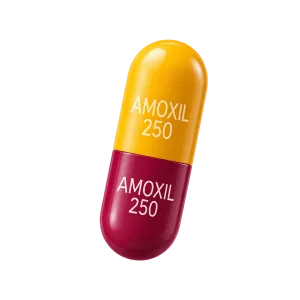
Amoxil

Active ingredient: Amoxicillin
250mg 500mg 1000mg
From $31.27
pills
4.1 (5)

Ampicillin

Active ingredient: Ampicillin
250mg 500mg
From $32.95
pills
3.8 (5)

Augmentin Current

Active ingredient: Amoxicillin, Clavulanic Acid
625mg
From $73.12
pills
4.3 (4)

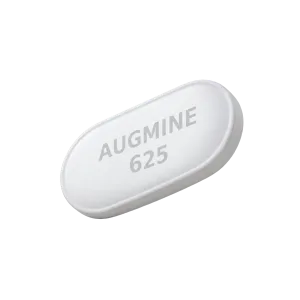
Augmine

Active ingredient: Amoxicillin, Clavulanic Acid
625mg
From $73.12
pills
4.3 (4)

Bactrim

Active ingredient: Sulfamethoxazole, Trimethoprim
480mg 960mg
From $27.80
pills
3.7 (3)

Comparison table: Antibiotics

Common questions

Can Augmentin affect driving, concentration, or work with machinery?

Dizziness can occur with Augmentin, although it is not the expected effect for most people. The FDA labeling information from 2021 identifies dizziness among possible adverse reactions and advises caution when symptoms affect alertness . Do not drive, climb, or operate machinery if you feel dizzy, faint, confused, or unusually unwell. Alcohol can worsen dizziness and stomach upset, so avoiding it during treatment is the more cautious choice.

Does Augmentin cause diarrhea?

Yes, diarrhea is a recognised side effect of amoxicillin-clavulanate. The EMA product information from 2023 describes diarrhea as one of the gastrointestinal reactions associated with treatment . Mild loose stools may improve, but repeated watery stools, blood, fever, or severe abdominal pain need prompt medical assessment. Do not assume that severe diarrhea is simply a normal sign that the antibiotic is working.

What happens when Augmentin is stopped, and does it need tapering?

Augmentin does not require tapering because it is an antibacterial course rather than a medicine that causes physiological withdrawal. Stopping early can leave surviving bacteria and may allow the infection to return or contribute to resistance. The WHO antimicrobial-resistance guidance from 2023 supports completing prescribed antibiotic courses unless a clinician changes the plan because of an adverse reaction or a revised diagnosis . Severe allergy, significant liver symptoms, or serious diarrhea require prompt medical advice rather than continued self-dosing.

How long does an Augmentin course last, and is long-term use acceptable?

The course length depends on the infection, its severity, the treatment response, and kidney function. The FDA prescribing information from 2021 supports using amoxicillin-clavulanate for indicated bacterial infections at the prescribed regimen, not as indefinite therapy . Long-term use is reserved for selected clinical situations and requires monitoring for diarrhea, liver injury, fungal overgrowth, and resistance. Persistent symptoms after treatment call for reassessment instead of automatic extension.

Is alcohol allowed while taking Augmentin?

Alcohol does not create the specific disulfiram-like reaction associated with some other antibiotics, but it can worsen nausea, diarrhea, dizziness, dehydration, and poor sleep. The WHO antimicrobial-stewardship principles from 2023 favour avoiding anything that makes it harder to complete treatment correctly . Alcohol can also make it harder to recognise whether dizziness or weakness comes from the infection or the medicine. Avoiding alcohol until the course is finished and you feel recovered is the practical approach.

Do you offer anonymous delivery?

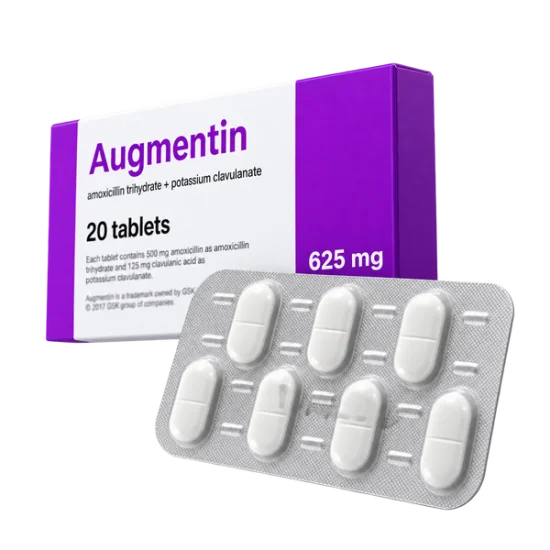
Your order will be securely packed and shipped within 24 hours. This is exactly what your package will look like (images of an actual item sent). It has the size and look of a regular private letter (9.4x4.3x0.3 in.) and its contents cannot be seen.

Antimicrobial Stewardship and Resistance Prevention

Antibiotic stewardship means using an antibiotic only when bacterial treatment is justified, selecting the narrowest suitable option, and using the prescribed regimen for the intended duration. Amoxicillin-clavulanate can select resistant bacteria when taken unnecessarily or used incorrectly.

The main practical rules are:

  • Do not use Augmentin for viral colds or uncomplicated viral coughs.
  • Do not share tablets.
  • Do not use old tablets for a new illness.
  • Do not stop early simply because symptoms improve, unless a clinician tells you to stop.
  • Do not extend the course because symptoms are lingering.
  • Report worsening symptoms or a new fever rather than adding extra doses.
  • Take the full prescribed course when treatment remains appropriate.

Resistance can develop when bacteria survive antibiotic exposure and multiply. The WHO identifies antimicrobial resistance as a major global health threat, and the Centers for Disease Control and Prevention (CDC) also links inappropriate antibiotic use with resistance [3].

Customer Feedback on Augmentin

4.3 Based on 4 reviews
Daniel, 37 Seattle The prescribed course
Nov 8, 2026
Rating: 5 out of 5
I took Augmentin 625 mg for the prescribed course for a bacterial sinus infection. The pressure and facial pain eased after several days, and I was satisfied that the course helped me return to normal work and sleep.
Thomas, 38 Chicago The prescribed course
Oct 12, 2026
Rating: 4.5 out of 5
I took Augmentin 625 mg for the prescribed course, which helped clear a dental infection after the dental treatment was arranged. I took the tablets with meals, which made them easier on my stomach, and the improvement was clear before the course ended.
Kevin, 63 Houston Several days
Oct 19, 2026
Rating: 2.5 out of 5
I took Augmentin 625 mg for several days, but it did not suit me. Diarrhea became frequent during treatment, so I stopped after speaking with my doctor and received a different plan. It was not a useful experience for my infection.
Luke, 46 Phoenix The prescribed course
Oct 28, 2026
Rating: 5 out of 5
I used Augmentin 625 mg for the prescribed course for a chest infection diagnosed as bacterial. The cough did not vanish immediately, but breathing and fever improved over the treatment period, and I was pleased with the result.

Sources

  1. U.S. Food and Drug Administration (2021). AUGMENTIN (amoxicillin/clavulanate potassium) Prescribing Information.
  2. European Medicines Agency (2023). Amoxicillin/Clavulanic Acid: Summary of Product Characteristics.
  3. World Health Organization (2015). Global Action Plan on Antimicrobial Resistance.
Get our free app Shop faster and track your orders 4.0 · 378 reviews Install