Skip to content

Black Friday +8 free tablets with every order Nov 19 – Dec 2

Ciflox Intas ciprofloxacin

Ciflox Intas ciprofloxacin

Active ingredient: Ciprofloxacin

4 4 reviews In stock Overview
Package

$49.75

$97.13 $99.50 Save 2%

$139.77 $149.25 Save 6%

$178.86 $199.00 Save 10%

$255.85 $298.50 Save 14%

Black Friday +8 free tablets with every order until Dec 2

Delivery: 4-7 business days

It is prescribed for adults when testing and clinical assessment support its use, including selected urinary, gastrointestinal, skin, bone, and respiratory infections. Ciprofloxacin blocks bacterial DNA replication, stopping susceptible bacteria from multiplying.

Overview

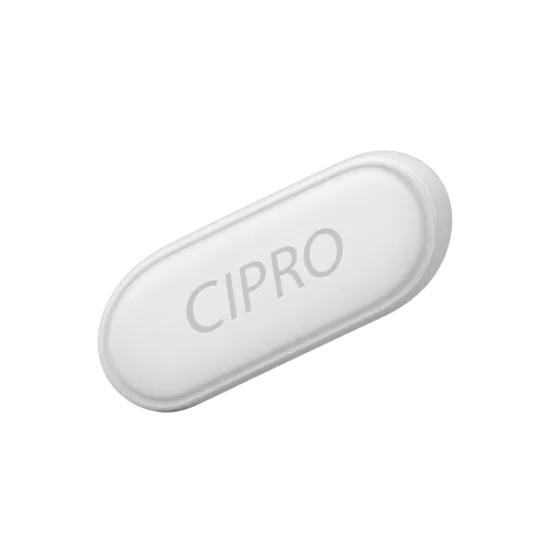
Ciflox Intas ciprofloxacin contains ciprofloxacin, a bactericidal fluoroquinolone antibiotic.

Dosage and administration

Take Ciflox Intas ciprofloxacin by mouth at evenly spaced times each day, following the prescribed regimen. It may be taken with food if nausea occurs, though dairy products should not be used as the only food taken with a dose because calcium can reduce absorption.

  • Swallow the dose with water.
  • Keep doses at consistent times.
  • Separate ciprofloxacin from antacids, mineral supplements, and multivitamins containing calcium, magnesium, aluminum, iron, or zinc.
  • Finish the prescribed antibiotic course unless the prescriber directs otherwise.
  • Do not double a dose after forgetting one.

If a dose is missed, take it when remembered unless the next scheduled dose is close. In that situation, skip the missed dose and return to the usual schedule. Taking two doses together raises the risk of adverse effects without improving bacterial killing.

Iron or zinc supplements are easy to overlook because they may be part of a daily multivitamin. Keep them separated from ciprofloxacin by the interval set by the prescriber or pharmacist, since these minerals can bind the antibiotic in the gut.

A frequent mistake is stopping treatment as soon as fever, burning urination, or diarrhea improves. Symptoms can fade before the infection is fully controlled. Surviving bacteria may multiply again and can be harder to treat.

Formulation

Ciflox Intas ciprofloxacin contains ciprofloxacin, a bactericidal fluoroquinolone antibiotic.

How it affects the body

Its target is bacterial DNA gyrase and topoisomerase IV, two enzymes that manage bacterial DNA while cells divide. When ciprofloxacin inhibits these enzymes, the bacterial chromosome cannot be copied correctly and the organism dies. Human cells do not use these bacterial enzymes in the same way, which explains the antibiotic’s selective antibacterial action [1].

Ciprofloxacin kills susceptible bacteria.

Therapeutic indications

It is prescribed for adults when testing and clinical assessment support its use, including selected urinary, gastrointestinal, skin, bone, and respiratory infections.

Spectrum of Antibacterial Activity

Ciprofloxacin has useful activity against many Gram-negative bacteria, including susceptible strains of Escherichia coli, Klebsiella, Proteus, Enterobacter, Salmonella, Shigella, and Pseudomonas aeruginosa. It may be selected for complicated urinary tract infections, bacterial prostatitis, infectious diarrhea caused by susceptible organisms, and selected skin or bone infections.

Respiratory use needs more care. Ciprofloxacin is less dependable against Streptococcus pneumoniae than several other respiratory antibiotics, so it is not a routine first choice for uncomplicated community-acquired pneumonia. Culture and susceptibility results matter.

The WHO AWaRe framework places ciprofloxacin in the Watch group of antibiotics. Watch antibiotics have a higher potential to drive bacterial resistance, so clinicians reserve them for situations where the likely pathogen and infection site justify their use [2].

Common mistakes

  • Taking the antibiotic with a mineral supplement or antacid, which can leave too little ciprofloxacin available for absorption.
  • Stopping when symptoms improve rather than completing the prescribed regimen.
  • Assuming painful urination always means a bacterial urinary tract infection.
  • Ignoring new calf, shoulder, elbow, or heel pain during treatment.
  • Taking missed doses too close together.
  • Using leftover antibiotics from a previous illness.
  • Treating diarrhea with anti-diarrheal medicines before assessing whether it could be antibiotic-associated colitis.

Antibiotics do not treat viruses.

A second common mistake is assuming every side effect is harmless because the infection symptoms are improving. Mild nausea is different from new numbness, severe anxiety, tendon pain, fainting, or severe diarrhea. Those warning signs require prompt attention.

Reasons not to use it

Ciflox Intas ciprofloxacin is not appropriate with tizanidine, because ciprofloxacin can sharply raise tizanidine concentrations and cause dangerous low blood pressure and marked sedation.

Caution is needed in people with prior tendon disorders related to fluoroquinolones, myasthenia gravis, seizure disorders, significant kidney impairment, known aortic aneurysm or major aortic disease, severe mental health conditions, or a history of peripheral neuropathy.

Important interaction groups include:

  • Antacids and mineral products: Magnesium, aluminum, calcium, iron, and zinc can chelate ciprofloxacin in the digestive tract and reduce the amount absorbed.
  • Warfarin and other anticoagulants: Ciprofloxacin can increase anticoagulant effect and may raise bleeding risk.
  • Theophylline: Ciprofloxacin may increase theophylline concentration, leading to tremor, insomnia, palpitations, or seizures.
  • Caffeine-containing products: Ciprofloxacin can slow caffeine breakdown, making jitters, anxiety, and insomnia more likely.
  • Systemic corticosteroids: This combination increases tendon injury risk.
  • Blood-glucose-lowering medicines: Blood sugar can become too low or too high, especially in older adults or people with diabetes.

Pregnancy and breastfeeding require an individual clinical decision. Ciprofloxacin is not routinely selected when alternatives with a more established pregnancy safety record are suitable.

When this is not for you

Ciflox Intas ciprofloxacin is not for you if you have had a serious allergic reaction to ciprofloxacin or another fluoroquinolone. It is also not appropriate if you are taking tizanidine because the combination can cause dangerous low blood pressure and marked sedation.

Speak with a healthcare professional before use if you have a history of tendon problems, nerve symptoms, seizures, serious kidney disease, major aortic disease, myasthenia gravis, severe mental health conditions, or an organ transplant.

Possible side effects

Nausea, diarrhea, abdominal discomfort, headache, dizziness, and sleep disturbance are among the more common reactions to ciprofloxacin. Mild effects may settle during treatment, yet severe or persistent diarrhea needs prompt medical assessment because antibiotic-associated colitis can occur during or after a course.

The FDA requires boxed warnings for systemic fluoroquinolones, including ciprofloxacin; the EMA, MHRA, NICE, and CDC also publish safety guidance on these medicines. These warnings address tendinitis and tendon rupture, peripheral neuropathy, central nervous system effects, worsening of myasthenia gravis, and potentially prolonged or irreversible adverse reactions [3].

Seek urgent medical care for tendon pain, swelling, bruising, or a snapping sensation, especially around the Achilles tendon. Stop using Ciflox Intas ciprofloxacin and seek medical advice if numbness, burning pain, tingling, weakness, severe agitation, confusion, hallucinations, seizures, or sudden mood changes occur.

People over 60, people taking systemic corticosteroids, and people with a kidney, heart, or lung transplant have a greater tendon-injury risk. Tendon problems can begin during treatment or appear after it ends. Exercise can turn early Achilles soreness into a rupture, so new tendon pain warrants rest rather than testing it with a workout.

Avoid strenuous running, jumping, or heavy calf-loading exercise if tendon discomfort starts during ciprofloxacin treatment. Do not try to stretch through Achilles pain.

Ciprofloxacin can make some people more sensitive to sunlight. Use protective clothing and limit intense sun exposure if redness or burning develops more easily than usual.

Comparison

Antibiotic selection is driven by the suspected organism, infection location, culture results, allergies, kidney function, local resistance patterns, and individual safety risks. Ciprofloxacin is valued for activity against many Gram-negative organisms and for reaching useful concentrations in urine and prostate tissue.

Active ingredient Pharmacological class Key distinction
Ciprofloxacin Fluoroquinolone Strong Gram-negative activity; relevant tendon, nerve, and CNS warnings
Ofloxacin Fluoroquinolone Similar class effects and precautions; selection depends on susceptibility and indication
Cefuroxime Cephalosporin Different bacterial targets and adverse-effect profile; often used for susceptible respiratory or skin infections

Ofloxacin shares many class-related safety concerns with ciprofloxacin, including tendon and nervous system effects. Gatifloxacin is another fluoroquinolone, though its use has been limited by blood-glucose safety concerns. Cefixime and cefuroxime are cephalosporins that interfere with bacterial cell-wall formation rather than DNA enzymes.

Azithromycin is a macrolide antibiotic that blocks bacterial protein synthesis. It can be useful for selected respiratory, skin, and sexually transmitted infections, though it does not replace ciprofloxacin for infections where resistant Gram-negative organisms are likely. No antibiotic is interchangeable without considering the infection and microbiology.

What doctors say

In clinical practice, prescribers often choose ciprofloxacin when culture findings identify a susceptible organism and an oral option with strong Gram-negative coverage is needed. It can be very useful in the right setting, yet it is not a casual choice for uncomplicated infections because fluoroquinolone adverse effects can be serious.

Doctors commonly ask about tendon symptoms, steroid use, prior neuropathy, arrhythmias, seizure history, kidney disease, and medicines for blood thinning before prescribing. A urine culture collected before treatment can be valuable for recurring urinary symptoms because it distinguishes a bacterial infection from conditions that need a different approach.

One overlooked detail is caffeine. A person who usually tolerates several coffees may feel unusually restless or unable to sleep while taking ciprofloxacin because the medicine can slow caffeine clearance.

Comparison

Amoxil

Active ingredient: Amoxicillin
250mg 500mg 1000mg
From $31.27
pills
4.1 (5)

Ampicillin

Active ingredient: Ampicillin
250mg 500mg
From $32.95
pills
3.8 (5)

Augmentin

Active ingredient: Amoxicillin, Clavulanic Acid
625mg
From $73.12
pills
4.3 (4)

Augmine

Active ingredient: Amoxicillin, Clavulanic Acid
625mg
From $73.12
pills
4.3 (4)

Bactrim

Active ingredient: Sulfamethoxazole, Trimethoprim
480mg 960mg
From $27.80
pills
3.7 (3)

Comparison table: Antibiotics

Common questions

How long does one dose of Ciflox Intas ciprofloxacin keep working?

Ciprofloxacin begins circulating after oral absorption, but its clinical effect depends on maintaining adequate exposure over the prescribed schedule rather than judging a single dose in isolation. The FDA's 2024 prescribing information describes ciprofloxacin as an antibiotic whose dosing interval is selected to sustain antibacterial activity against susceptible organisms [4]. Symptom relief may begin before the infection is cleared. Continue according to the prescribed regimen unless a clinician changes it. A clinician should reassess symptoms that worsen or fail to improve.

What should I do if the expected result does not come?

Persistent fever, worsening pain, spreading redness, flank pain, vomiting, blood in urine, or no meaningful improvement can signal bacterial resistance, an incorrect diagnosis, or a complication needing reassessment. The WHO's 2023 AWaRe Antibiotic Book advises antibiotic use guided by clinical evaluation and, where possible, microbiological testing to limit ineffective treatment. Do not add another antibiotic or extend the course independently. Medical review may include a culture, susceptibility test, imaging, or a change in therapy.

What should I discuss with a doctor before starting Ciflox Intas ciprofloxacin?

Discuss prior reactions to quinolone antibiotics, tendon injuries, neuropathy, seizures, myasthenia gravis, kidney disease, heart rhythm concerns, diabetes, and any history of an aortic aneurysm. Provide a complete list of medicines, including warfarin, corticosteroids, theophylline, tizanidine, diabetes treatments, antacids, and mineral supplements. The EMA's 2019 review highlighted the possibility of long-lasting disabling adverse effects with fluoroquinolones, which is why this history affects antibiotic selection. Mention pregnancy or breastfeeding before treatment begins.

Which diet, exercise, and daily habits affect treatment?

The WHO's 2023 AWaRe Antibiotic Book supports using ciprofloxacin only when the indication and susceptibility justify it. Hydration supports comfort and helps maintain normal urine flow during treatment. Keep mineral supplements, antacids, and dairy-only meals separate from ciprofloxacin because minerals can reduce intestinal absorption. Limit caffeine if you notice tremor, racing thoughts, or insomnia. Avoid strenuous exercise if tendon discomfort occurs, since continued loading may worsen a fluoroquinolone-related tendon injury.

Can Ciflox Intas ciprofloxacin be combined with antacids or vitamin supplements?

Antacids containing magnesium or aluminum, plus supplements containing calcium, iron, or zinc, can bind ciprofloxacin and lower absorption. This interaction is a chemical binding process called chelation. The FDA's 2024 prescribing information advises separating ciprofloxacin from these products according to professional dosing directions. A multivitamin can matter as much as a stand-alone mineral tablet, so include it when discussing your medicines.

Do you offer anonymous delivery?

Your order will be securely packed and shipped within 24 hours. This is exactly what your package will look like (images of an actual item sent). It has the size and look of a regular private letter (9.4x4.3x0.3 in.) and its contents cannot be seen.

Customer Feedback on Ciflox Intas ciprofloxacin

4 Based on 4 reviews
Martin, 42 Seattle Several doses
Nov 1, 2026
Rating: 1.5 out of 5
I took Ciflox Intas ciprofloxacin at the prescribed dose for several doses for urinary symptoms, but the burning did not improve. I also developed sharp heel pain and stopped after speaking with my doctor. Testing later showed I needed a different treatment.
Tom, 26 Tampa The full prescribed course
Nov 7, 2026
Rating: 4.5 out of 5
I took the prescribed dose for the full prescribed course for a bacterial stomach infection. The cramping and urgent bathroom trips settled quickly, and I was able to return to work without the symptoms disrupting my shift.
Graham, 47 Columbus The full course
Oct 12, 2026
Rating: 5 out of 5
I used Ciflox Intas ciprofloxacin at the prescribed dose for the full course after a urine test identified a bacterial infection. The frequent urination eased within the first couple of days, and I finished the course as prescribed.
Christopher, 28 Detroit The prescribed course
Oct 24, 2026
Rating: 5 out of 5
I took it at the prescribed dose for the prescribed course for a confirmed bacterial infection after an injury. The redness and warmth around the affected skin area reduced steadily, and the recovery was straightforward.

Sources

  1. FDA (2024). Cipro (ciprofloxacin) Prescribing Information
  2. WHO (2023). The WHO AWaRe Antibiotic Book
  3. FDA (2016). FDA Drug Safety Communication: FDA updates warnings for oral and injectable fluoroquinolone antibiotics due to disabling side effects
  4. FDA (2024). Ciprofloxacin Tablets Prescribing Information
Get our free app Shop faster and track your orders 4.0 · 378 reviews Install