Skip to content

Black Friday +8 free tablets with every order Nov 19 – Dec 2

Glucophage

Glucophage

Active ingredient: Metformin

4.1 4 reviews In stock Overview
Dosage
Package
Package
Package

$16.47

$23.68 $32.94 Save 28%

$37.07 $49.41 Save 25%

$45.31 $65.88 Save 31%

$64.88 $98.82 Save 34%

$81.36 $131.76 Save 38%

$113.29 $197.64 Save 43%

$19.56

$36.04 $39.12 Save 8%

$50.46 $58.68 Save 14%

$63.85 $78.24 Save 18%

$86.51 $117.36 Save 26%

$109.17 $156.48 Save 30%

$157.58 $234.72 Save 33%

$29.86

$47.37 $59.72 Save 21%

$65.91 $89.58 Save 26%

$78.27 $119.44 Save 34%

$106.08 $179.16 Save 41%

$128.74 $238.88 Save 46%

$173.03 $358.32 Save 52%

Black Friday +8 free tablets with every order until Dec 2

Delivery: 4-7 business days

Glucophage supports blood sugar control in adults and children with type 2 diabetes. The medicine helps reduce high blood sugar without directly stimulating the pancreas to release large amounts of insulin. FDA labeling recognizes metformin as an option for improving glycemic control alongside diet and physical activity [1].

Overview

Its active ingredient, metformin hydrochloride, belongs to the biguanide class and lowers liver glucose production while improving insulin sensitivity.

Metformin hydrochloride is the active component of Glucophage. It belongs to the biguanide class of antidiabetic medicines.

Dosage and administration

Glucophage is supplied as pills for oral administration. Metformin tablets may use an immediate-release or extended-release design, and the release pattern affects how the medicine moves through the gastrointestinal tract.

The amount taken at each intake is selected individually. A clinician may adjust the regimen according to blood glucose, A1c, kidney function, gastrointestinal tolerance, age, and other diabetes medicines.

Immediate-Release Metformin Tablets

Immediate-release metformin releases metformin hydrochloride relatively soon after the tablet reaches the digestive tract. Treatment commonly begins with a lower prescribed amount, followed by gradual adjustment when additional glucose control is needed.

Dividing the daily amount with meals can reduce gastrointestinal symptoms. Tablets should be swallowed according to the prescribed directions rather than crushed or altered unless the specific formulation permits it.

Common practical points include:

  • Take the prescribed amount with food.
  • Keep the timing consistent from day to day.
  • Do not double the next intake after a missed tablet.
  • Report persistent vomiting, severe diarrhea, or inability to maintain fluid intake because dehydration can affect kidney function.

Extended-Release Metformin Profiles

An oral extended-release tablet must be swallowed whole unless its specific approved instructions state otherwise. Crushing or chewing can change the release pattern and may increase gastrointestinal exposure over a shorter period.

Immediate-release and extended-release products contain the same broad active medicine but are not interchangeable on a tablet-for-tablet basis. A change between them requires an appropriate prescribing decision.

Taking Glucophage with a meal can make the first weeks easier on the stomach. Nausea and loose stools are more common when tablets are taken on an empty stomach.
A tablet that passes through the stool with a shell-like appearance can occur with some extended-release metformin products. The empty matrix may remain visible after the medicine has been released.

Formulation

Glucophage contains metformin hydrochloride, an oral biguanide used for type 2 diabetes.

How it affects the body

Metformin acts through several complementary pathways:

  • It reduces glucose production by the liver, especially between meals and overnight.
  • It improves insulin sensitivity in peripheral tissues, allowing cells to use circulating glucose more efficiently.
  • It reduces some intestinal glucose absorption.
  • It does not normally cause the pancreas to release extra insulin on its own.

The result is usually a reduction in fasting glucose and A1c, a laboratory measurement that reflects average blood sugar over approximately three months. Glucophage does not create insulin. It helps the body use available insulin more effectively.

Therapeutic indications

Glucophage is used with nutritional changes and physical activity. It is not a replacement for diabetes self-management, but it can provide a pharmacological foundation for controlling blood glucose.

Glucophage is used primarily for type 2 diabetes. Clinicians may also prescribe metformin for selected metabolic situations outside its main FDA-labeled indication, but the strength of evidence and expected benefit differ by patient group.

Intervention in Prediabetic States

Prediabetes means that blood glucose is above the usual range but below the diagnostic threshold for diabetes. Metformin may be considered for some people with a high risk of progression, especially when lifestyle intervention alone has not produced sufficient improvement or when additional risk factors are present.

The Diabetes Prevention Program found that intensive lifestyle intervention reduced progression to type 2 diabetes more strongly than metformin in the study population, while metformin still lowered risk compared with placebo. The findings were published by the National Institutes of Health and the Diabetes Prevention Program Research Group in 2002 [3].

Weight management, regular movement, adequate sleep, and improved dietary quality remain central. Metformin does not cancel the effect of frequent high-sugar intake, prolonged inactivity, or sustained excess calorie intake.

Management of Cellular Insulin Resistance

Insulin resistance can accompany abdominal weight gain, polycystic ovary syndrome, prediabetes, and other metabolic patterns. Metformin may be prescribed off-label in selected cases because it reduces hepatic glucose output and improves insulin responsiveness.

The clinical goal is not simply a lower glucose reading. Clinicians may also consider waist circumference, triglycerides, blood pressure, menstrual regularity in polycystic ovary syndrome, A1c, and long-term diabetes risk.

Off-label treatment should be based on a defined clinical reason. Metformin is not a universal weight-management medicine, and appetite or body-weight changes vary widely between individuals.

Common mistakes

Several practical errors can reduce benefit or increase side effects:

  • Taking the tablet on an empty stomach when it was prescribed with meals.
  • Stopping after a few days because early diarrhea has not yet settled.
  • Doubling the next intake after forgetting one.
  • Continuing the medicine during severe dehydration without medical instructions.
  • Assuming metformin alone prevents glucose rises after prolonged inactivity or frequent high-carbohydrate meals.
  • Failing to mention over-the-counter pain medicines, supplements, alcohol intake, or planned contrast imaging.
  • Crushing or chewing an extended-release tablet.
  • Ignoring persistent numbness, tingling, or unusual fatigue that could warrant B12 assessment.

A missed tablet is usually handled by taking the next scheduled amount rather than taking two together. The exact response can depend on the formulation and timing, so the prescribing instructions should govern the plan.

Reasons not to use it

Glucophage should not be used in circumstances such as:

  • Severe renal impairment or a rapidly worsening kidney function.
  • Known hypersensitivity to metformin or an inactive component of the tablet.
  • Acute or chronic metabolic acidosis, including diabetic ketoacidosis.
  • Severe dehydration or an unstable illness that may reduce kidney perfusion.
  • Heavy alcohol use that increases the risk of lactic acidosis.

Medicines that can affect kidney function or fluid balance may change the safety profile of metformin. Iodinated contrast used for some imaging procedures may require a temporary interruption in selected patients, followed by reassessment of kidney function.

Insulin and insulin secretagogues can increase the risk of hypoglycemia when added to Glucophage. Alcohol can worsen glucose instability and increase concern about lactic acidosis, especially when food intake is poor.

When this is not for you

Glucophage is not suitable for everyone. The central safety questions involve kidney function, acute illness, alcohol exposure, procedures requiring fasting, and medicines that may affect renal clearance or glucose levels.

Kidney function should be assessed before treatment and monitored during ongoing therapy. The FDA updated its renal recommendations for metformin in 2016, including greater use of estimated glomerular filtration rate rather than serum creatinine alone [4].

Tell the prescriber about repeated vomiting, severe diarrhea, fever with poor fluid intake, or a planned procedure involving prolonged fasting. Temporary changes may be needed when dehydration or reduced kidney function is a concern.
Before an imaging procedure, provide the complete medication list and mention Glucophage specifically. The decision to pause and restart it depends on the contrast study, kidney function, and clinical setting.

Possible side effects

Glucophage is generally used for long-term glucose control, yet tolerability differs between patients. The most frequent problems involve the digestive system, while serious complications are uncommon and linked mainly to specific risk factors.

Gastrointestinal Adaptation and Common Symptoms

Common adverse effects include:

  • Diarrhea
  • Nausea
  • Abdominal discomfort
  • Bloating
  • Flatulence
  • Reduced appetite
  • A metallic taste

These effects often appear during treatment initiation or after an increase in the prescribed amount. Taking the tablet with food, using gradual dose adjustment, and avoiding abrupt changes can improve tolerability. The FDA label identifies gastrointestinal reactions as the main adverse-effect group associated with metformin .

Vitamin B12 levels can decline during prolonged metformin treatment. The risk rises with longer exposure, higher cumulative use, or pre-existing factors that reduce B12 absorption. Symptoms such as persistent tiredness, numbness, tingling, balance problems, or a sore tongue deserve clinical assessment.

Serious Risks and Metabolic Complications

Lactic acidosis is a rare but serious complication associated with metformin accumulation. The risk is higher with substantial kidney impairment, severe dehydration, conditions that reduce oxygen delivery to tissues, heavy alcohol intake, or acute illness affecting organ function.

Warning symptoms can include marked weakness, unusual muscle pain, breathing difficulty, increasing sleepiness, abdominal discomfort, or feeling unusually cold. These symptoms require urgent medical attention.

Glucophage alone rarely causes hypoglycemia because metformin does not force the pancreas to release insulin. Low blood sugar becomes more likely when metformin is combined with insulin, sulfonylureas, or other medicines that increase insulin activity. The risk also depends on missed meals, alcohol intake, intense exercise, and the wider treatment plan.


Comparison

Glucophage remains a widely used foundational treatment for type 2 diabetes because it targets liver glucose production, has a low intrinsic risk of hypoglycemia, and can be combined with several other drug classes. The American Diabetes Association describes metformin as one established option within individualized glucose-lowering therapy, with treatment selection guided by cardiovascular, kidney, weight, cost, and tolerability considerations [2].

Treatment approach Main pharmacological role Practical distinction
Glucophage Reduces hepatic glucose output and improves insulin sensitivity Oral tablet; low intrinsic hypoglycemia risk when used alone
Insulin Replaces or supplements insulin activity directly Injection; can lower glucose powerfully but requires hypoglycemia planning
GLP-1 receptor agonists Enhance glucose-dependent insulin release and reduce glucagon; some slow gastric emptying Usually injectable, with some oral options; gastrointestinal effects and appetite reduction may occur

Comparative Analysis with Incretin Therapies

GLP-1 receptor agonists act through incretin pathways. They can improve A1c and often reduce appetite and body weight. Their use may be prioritized when cardiovascular disease, chronic kidney disease, or a need for substantial weight reduction influences treatment selection.

Metformin and a GLP-1 receptor agonist can be used together because their mechanisms differ. One primarily reduces hepatic glucose production and improves insulin sensitivity; the other enhances glucose-dependent hormonal signaling.

The combination can also increase digestive symptoms. Nausea, early fullness, or diarrhea may become more noticeable when more than one gastrointestinally active medicine is introduced at the same time.

Integration with Insulin and Glycemic Control Metrics

Insulin directly lowers blood glucose and is essential when endogenous insulin production is inadequate or glucose levels are markedly elevated. It can produce weight gain and hypoglycemia, especially when meals, activity, and injection timing do not align.

Glucophage generally does not cause weight gain when used alone and has a lower intrinsic hypoglycemia risk. It may be continued alongside insulin when the treatment plan aims to reduce hepatic glucose production and improve insulin sensitivity.

A1c, fasting glucose, home readings, symptoms, kidney function, and treatment tolerability all contribute to clinical decisions. A single glucose value cannot describe the complete response.

What doctors say

In clinical practice, doctors usually judge Glucophage by sustained A1c improvement, fasting glucose, tolerability, kidney function, and the patient’s ability to take it consistently. A modest gastrointestinal reaction during the first days does not always mean the treatment will remain intolerable, but persistent symptoms may justify a slower adjustment or a different release formulation.

A physician also looks beyond glucose. Weight trend, blood pressure, lipid levels, nutrition, physical activity, and cardiovascular or kidney disease can change the preferred treatment plan.

One common prescribing mistake is treating the starting regimen as a permanent target. Metformin therapy is often adjusted gradually because the most suitable amount depends on individual response rather than a universal fixed dose.

Comparison

Glucophage Current

Active ingredient: Metformin
500mg 850mg 1000mg
From $16.47
pills
4.1 (4)

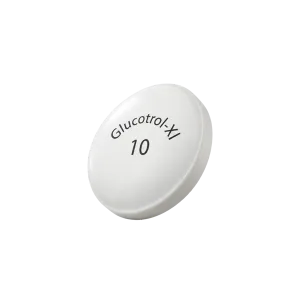
Glucotrol-Xl

Active ingredient: Glipizide
10mg
From $34.35
pills
4.3 (3)

Glycoheal

Active ingredient: Metformin
500mg
From $15.44
pills
4.4 (4)

Lispro

Active ingredient: Insulin Lispro
10mg
From $101.87
pills
3.8 (5)

Metformin

Active ingredient: Metformin
500mg
From $20.18
pills
3.9 (5)

Comparison table: Diabetes

Common questions

Does Glucophage cause diarrhea?

Diarrhea is one of the most recognized adverse effects of metformin, especially during initiation or after an increase. Taking Glucophage with food and adjusting the amount gradually can improve tolerance for many patients. Persistent diarrhea can cause dehydration and should be assessed because dehydration increases kidney-related safety concerns. FDA prescribing information identifies gastrointestinal reactions as a common issue with metformin .

What should I do after missing a Glucophage dose?

Take the next scheduled amount at the usual time unless the prescribing instructions provide a different plan. Do not take two amounts together to compensate for one missed tablet. If vomiting or diarrhea caused the missed intake, fluid loss may matter more than the missed tablet itself. The American Diabetes Association advises individualized medication planning in diabetes care, including attention to hypoglycemia risk and illness management in its 2025 Standards of Care .

Which diet and habits support Glucophage treatment?

Regular meals with high-fiber carbohydrates, vegetables, protein, and appropriate portions can support steadier glucose levels. Walking or another suitable form of physical activity improves insulin sensitivity and complements metformin’s action. Frequent sugary drinks, prolonged inactivity, heavy alcohol intake, and irregular meals can hinder glucose control. The Diabetes Prevention Program reported in 2002 that structured lifestyle intervention strongly reduced diabetes progression in people with impaired glucose tolerance .

What should be discussed with a doctor before starting Glucophage?

Discuss kidney disease, liver disease, heavy alcohol use, heart or lung conditions, recurrent dehydration, pregnancy, breastfeeding, and every prescription or supplement. Mention any planned imaging procedure using iodinated contrast. The clinician may review kidney function before treatment and during follow-up. The FDA's 2016 renal guidance for metformin emphasizes estimated glomerular filtration rate and patient-specific risk assessment.

How does Glucophage differ from insulin?

Glucophage improves insulin sensitivity and reduces liver glucose production, while insulin directly supplies or replaces insulin activity. Metformin is taken orally as pills, whereas insulin is administered by injection. Insulin can reduce glucose more rapidly and powerfully but carries a greater risk of hypoglycemia and may contribute to weight gain. The WHO's 2023 diabetes information identifies insulin as an essential treatment when the body cannot produce enough insulin to maintain glucose control [5].

Can Glucophage be combined with insulin or glucose-lowering supplements?

Glucophage can be prescribed with insulin, but the combination may increase the need for glucose monitoring because insulin can cause hypoglycemia. Supplements that lower blood sugar or cause diarrhea may add unpredictable effects. Alcohol can also worsen glucose instability and increase concern about dehydration or lactic acidosis. The FDA's 2022 metformin prescribing information supports careful review of concurrent therapies and patient conditions before combining treatment.

Do you offer anonymous delivery?

Your order will be securely packed and shipped within 24 hours. This is exactly what your package will look like (images of an actual item sent). It has the size and look of a regular private letter (9.4x4.3x0.3 in.) and its contents cannot be seen.

Customer Feedback on Glucophage

4.1 Based on 4 reviews
Lee K., 40 Chicago About six weeks
Nov 6, 2026
Rating: 3.5 out of 5
I took Glucophage with my evening meal for about six weeks. My morning readings became steadier, but the first ten days brought loose stools and stomach cramping. The symptoms eased when I was more consistent about taking it with food.
Jack Z., 50 Pittsburgh Several weeks
Nov 12, 2026
Rating: 4.5 out of 5
After several weeks on Glucophage, my fasting numbers were more predictable and I had fewer high readings after breakfast. The tablets fitted easily into my morning routine, and I was satisfied with the improvement.
Martin, 29 Phoenix After the first month
Oct 17, 2026
Rating: 4 out of 5
Glucophage helped bring my readings into a range I could manage more confidently. I noticed the clearest difference after the first month, especially in the morning before work.
Neil, 55 Jacksonville
Oct 30, 2026
Rating: 4.5 out of 5
I used Glucophage alongside changes to meals and daily walking. My follow-up A1c improved, and I appreciated that the medicine did not make me feel shaky when I took it by itself.

Sources

  1. U.S. Food and Drug Administration (2022). Glucophage (metformin hydrochloride) Prescribing Information.
  2. American Diabetes Association (2025). Standards of Care in Diabetes—2025.
  3. Diabetes Prevention Program Research Group (2002). Reduction in the Incidence of Type 2 Diabetes with Lifestyle Intervention or Metformin.
  4. U.S. Food and Drug Administration (2016). FDA Drug Safety Communication: FDA revises warnings regarding use of the diabetes medicine metformin in certain patients with reduced kidney function.
  5. World Health Organization (2023). Diabetes: Key Facts.
Get our free app Shop faster and track your orders 4.0 · 378 reviews Install