- Worldwide Delivery
- Quality Guaranteed
- Bonus pills
- 24/7 Support
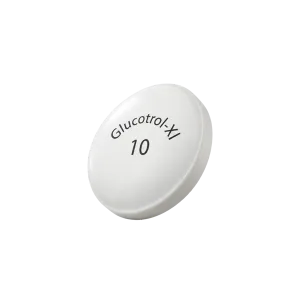
Glycoheal tablets are taken by mouth as part of treatment for adults with Type 2 Diabetes Mellitus when lifestyle measures alone do not provide adequate Glycemic Control. The active ingredient metformin helps reduce excess glucose production by the liver and improves the body’s response to insulin.
Dosage and administration
Glycoheal is taken orally as a tablet. The regimen for the chosen strength is confirmed with a healthcare professional before starting.
- Take the tablet at the prescribed frequency.
- Take it with or immediately after food if advised, because food can improve gastrointestinal tolerability.
- Swallow the tablet with water unless a healthcare professional gives different instructions.
- Keep the timing consistent from day to day.
- Do not double the next dose after a missed tablet.
- Do not crush, split, or chew a modified-release tablet unless the specific product instructions permit it.
The starting regimen may be increased gradually in clinical practice to reduce nausea, abdominal discomfort, or diarrhea. The appropriate amount depends on the strength, kidney function, glucose response, and whether other diabetes medicines are used.
If a dose is missed, take it when remembered unless the next scheduled dose is near. In that situation, skip the missed dose and return to the regular schedule. Taking two doses together can worsen stomach symptoms and does not reliably restore glucose control.
Formulation
Glycoheal is an oral tablet containing metformin, an active ingredient in the biguanide class of oral hypoglycemics. It is used as part of treatment for adults with Type 2 Diabetes Mellitus. Metformin helps reduce excess glucose production by the liver and improves the body’s response to insulin.
How it affects the body
Metformin belongs to the biguanide class of oral hypoglycemics. It acts mainly on the liver, where it reduces excessive glucose production. It also improves insulin sensitivity, allowing the body to use circulating glucose more effectively.
The medicine does not force the pancreas to release insulin in the same way as a sulfonylurea. This explains why metformin used alone generally causes fewer episodes of hypoglycemia than insulin-releasing medicines. The FDA prescribing information describes metformin’s central action as reducing hepatic glucose production and improving insulin-mediated glucose use [2]. The response varies between patients. Kidney function influences safe use.
Metformin and insulin sensitivity
When insulin resistance is present, muscle and other tissues respond less effectively to insulin. Glucose then remains in the bloodstream rather than moving efficiently into cells. Metformin helps improve this response, which can reduce hyperglycemia without directly stimulating insulin secretion.
Relationship to Glimepiride
Glimepiride belongs to the sulfonylurea class and stimulates pancreatic insulin release. Metformin belongs to the biguanide class and mainly reduces hepatic glucose production. These are different mechanisms.
Glycoheal is discussed here as a metformin tablet. A combination containing metformin and glimepiride would require separate confirmation of its active ingredients and regimen because it carries a greater hypoglycemia risk than metformin alone.
Therapeutic indications
Glycoheal is used for Type 2 Diabetes Mellitus, a condition in which the body does not use insulin efficiently and may gradually produce less insulin. Metformin helps lower blood glucose while diet, physical activity, weight management, and regular monitoring remain part of diabetes care.
The treatment goal is not simply a lower reading on one test. Clinicians assess fasting glucose, Glucose - Postprandial Blood, and Glycosylated Hemoglobin (HbA1c), which reflects average glucose exposure over several weeks. NICE recommends combining medication decisions with individualized lifestyle support and periodic HbA1c review [1].
Glycoheal may be prescribed when dietary changes and exercise do not maintain the desired glucose range. It may also be used alongside other glucose-lowering treatments when one medicine does not provide sufficient control. The appropriate regimen depends on kidney function, other medicines, meal patterns, age, and the person’s risk of low blood glucose.
Role in glycemic control
Metformin supports glycemic control in three main ways:
- It reduces the amount of glucose released by the liver.
- It improves insulin sensitivity in tissues such as muscle.
- It reduces some intestinal glucose absorption after eating.
The result can be improved fasting glucose and a gradual reduction in HbA1c. Metformin alone usually has a lower risk of hypoglycemia than medicines that directly increase insulin release, though low blood glucose can occur when it is combined with other treatments.
Common mistakes
Several everyday habits can reduce treatment benefit or create avoidable problems:
- Taking the tablet on an empty stomach despite repeated digestive symptoms.
- Doubling a dose after forgetting the previous one.
- Continuing treatment through severe vomiting or dehydration without medical advice.
- Assuming metformin alone cannot contribute to low glucose when it is combined with insulin or another glucose-lowering medicine.
- Drinking heavily while taking treatment.
- Failing to mention Glycoheal before an imaging procedure involving iodinated contrast.
- Treating one improved glucose reading as permission to stop treatment.
- Ignoring persistent diarrhea, numbness, unusual fatigue, or reduced appetite.
- Crushing a modified-release tablet without confirming that the formulation permits it.
A less obvious mistake is confusing symptoms of low glucose with medication intolerance. Sweating, tremor, hunger, and confusion suggest hypoglycemia, while nausea and diarrhea are more typical gastrointestinal effects. The correct response depends on the symptom pattern and the medicines being taken.
Reasons not to use it
Glycoheal is contraindicated in severe kidney impairment, previous serious intolerance to metformin, or metabolic acidosis, including diabetic ketoacidosis. Metformin also requires caution in conditions that may suddenly reduce kidney function or oxygen delivery to tissues.
Severe liver disease, heavy alcohol use, severe infection, heart failure with unstable oxygenation, and serious dehydration may increase risk. These conditions need individual assessment rather than an automatic dose change.
Metformin may need temporary interruption around some imaging procedures involving iodinated contrast, especially when kidney function is reduced or the examination could cause acute kidney injury.
Insulin and sulfonylureas can increase hypoglycemia risk when used with metformin. Some medicines that affect kidney function, fluid balance, or glucose regulation also require review.
When this is not for you
This medicine may not be suitable for you if you have severe kidney problems, serious liver disease, metabolic acidosis, diabetic ketoacidosis, severe dehydration, a serious infection, unstable heart failure, or heavy alcohol use. Tell a healthcare professional about all your medicines, especially insulin or sulfonylureas, and before an imaging procedure using iodinated contrast. Do not stop diabetes treatment abruptly during pregnancy without medical advice.
Possible side effects
The most common unwanted effects of metformin involve the digestive system. They are more likely when treatment begins or the regimen changes, then may improve as the body adapts. The FDA lists gastrointestinal symptoms among the main adverse reactions associated with metformin .
| Effect | Practical meaning |
|---|---|
| Diarrhea, nausea, or abdominal discomfort | Often appears early and may improve when taken with food or introduced gradually |
| Reduced appetite or altered taste | Usually mild, but persistent symptoms can affect food and fluid intake |
| Low blood glucose | Less common with metformin alone; risk rises with insulin or insulin-releasing medicines |
| Vitamin B12 reduction | More likely with prolonged treatment and may require clinical monitoring |
Diarrhea can be inconvenient but is usually manageable. Persistent vomiting or diarrhea creates a separate concern because dehydration can affect kidney function and increase metformin-related risk.
Hypoglycemia may cause sweating, shaking, hunger, palpitations, blurred vision, irritability, difficulty concentrating, or confusion. It is more likely when meals are skipped, alcohol is consumed, physical activity is unusually intense, or Glycoheal is combined with insulin or a sulfonylurea.
Serious reactions
Lactic acidosis is rare but serious. Warning symptoms include marked weakness, unusual sleepiness, vomiting, abdominal discomfort, rapid or difficult breathing, feeling cold, dizziness, or a slow or irregular heartbeat. These symptoms require urgent medical assessment.
Kidney impairment, severe dehydration, serious infection, reduced oxygen supply, and heavy alcohol intake can increase the risk of lactic acidosis. The medicine may need temporary interruption during an acute illness, based on clinical advice.
Long-term metformin treatment can reduce vitamin B12 absorption in some people. Tingling, numbness, unusual tiredness, a sore tongue, or anemia-like symptoms deserve clinical review rather than being automatically attributed to diabetes.
Comparison
Treatment options for Type 2 Diabetes Mellitus are selected by active substance, kidney function, cardiovascular or kidney disease, weight goals, hypoglycemia risk, and tolerability. Brand-to-brand substitution should not be based on a similar name alone.
| Approach | Main pharmacological action | Main limitation |
|---|---|---|
| Metformin-based treatment | Reduces hepatic glucose production and improves insulin sensitivity | Gastrointestinal effects and kidney-related restrictions |
| Sulfonylurea treatment | Stimulates pancreatic insulin release | Greater hypoglycemia risk and possible weight gain |
| Insulin therapy | Directly replaces or supplements insulin | Requires injection technique and careful glucose monitoring |
Metformin is often chosen early because it improves insulin sensitivity and does not usually cause weight gain when used alone. A sulfonylurea may lower glucose effectively but requires reliable meal patterns and awareness of hypoglycemia. Insulin is essential in some clinical situations, especially when endogenous insulin production is insufficient or glucose levels are markedly elevated.
The best choice is not determined by HbA1c alone. Kidney function, frailty, occupational risks, eating patterns, and previous treatment response all influence the decision. The American Diabetes Association and European Association for the Study of Diabetes emphasize individualized treatment selection in their consensus approach [3].
What doctors say
In clinical practice, physicians usually set expectations around gradual improvement rather than an immediate change after one tablet. HbA1c is commonly reassessed after enough time has passed to reflect a meaningful treatment interval, while home glucose readings may change sooner.
A doctor would also review whether the person is eating regularly, experiencing gastrointestinal symptoms, drinking heavily, or taking medicines that alter kidney function. These details can change the safety profile even when the Glycoheal tablet itself has not changed.
One practical issue is that patients sometimes stop metformin once glucose improves. Better readings may show that treatment, diet, and activity are working together; they do not prove that the underlying diabetes has disappeared. Stopping suddenly can allow glucose to rise again.
Long-term glucose control matters because sustained hyperglycemia contributes to vascular, kidney, eye, and nerve complications. The landmark UK Prospective Diabetes Study found that improved glucose control in Type 2 Diabetes Mellitus was associated with lower risk of several diabetes-related complications [4].
Comparison
Common questions
Can Glycoheal be combined with insulin or insulin-releasing medicines?
Metformin can be prescribed with insulin or an insulin-releasing medicine, but the combination can increase the risk of hypoglycemia. Blood glucose monitoring and treatment adjustment are often needed when medicines are added or removed. The FDA metformin prescribing information from 2023 describes combination use and the need to consider glucose-lowering effects . Alcohol, irregular meals, and strenuous unplanned exercise can further increase risk.
How does Glycoheal differ from sulfonylurea treatment?
Glycoheal contains metformin, which mainly reduces hepatic glucose production and improves insulin sensitivity. A sulfonylurea stimulates pancreatic insulin release, so its glucose-lowering action is more directly linked to insulin secretion. The 2022 ADA and EASD consensus guidance describes these mechanisms as distinct treatment pathways . Sulfonylureas may cause more hypoglycemia and weight gain, while metformin more often causes gastrointestinal symptoms.
Does Glycoheal cause diarrhea?
Diarrhea is a recognized metformin side effect, especially when treatment starts or the regimen increases. Taking the tablet with food and using a gradual regimen can improve tolerability for some people. The 2023 FDA information identifies gastrointestinal reactions as common with metformin treatment . Severe or persistent diarrhea needs medical attention because dehydration can affect kidney function.
Can Glycoheal affect driving, concentration, or machinery work?
Metformin alone does not usually impair alertness or coordination. Concentration and driving can be affected if hypoglycemia occurs after combining Glycoheal with insulin or an insulin-releasing medicine. The 2022 American Diabetes Association guidance advises people using glucose-lowering treatments to understand their personal low-glucose symptoms before driving or operating machinery . Do not drive if you are confused, dizzy, shaky, unusually sleepy, or unable to treat a low reading safely.
Which symptoms require stopping Glycoheal and seeking urgent medical care?
Urgent assessment is required for severe weakness, unusual drowsiness, rapid or difficult breathing, persistent vomiting, severe abdominal symptoms, feeling unusually cold, or a slow or irregular heartbeat. These can indicate lactic acidosis or another serious illness. The 2023 FDA safety information identifies severe metabolic symptoms as requiring prompt evaluation . Severe hypoglycemia with confusion, seizure, or loss of consciousness is also an emergency.
How long does one Glycoheal tablet keep working?
Metformin is intended for regular treatment, not short-term correction of a single high glucose reading. Its effect on daily glucose may develop progressively, while HbA1c changes require a longer assessment period. The 2022 NICE guideline recommends reviewing glucose control over an appropriate clinical interval rather than judging treatment from one isolated result . The duration of action also depends on the formulation and the regimen selected.
What should I do after a missed Glycoheal dose?
Take the missed tablet when remembered unless the next scheduled dose is close. If the next dose is near, skip the missed tablet and return to the regular schedule. Do not take two tablets together to compensate. The 2023 FDA prescribing information supports avoiding unscheduled extra doses because they can worsen adverse effects without reliably improving glucose control .
Do you offer anonymous delivery?
Your order will be securely packed and shipped within 24 hours. This is exactly what your package will look like (images of an actual item sent). It has the size and look of a regular private letter (9.4x4.3x0.3 in.) and its contents cannot be seen.
Customer Feedback on Glycoheal
Sources
- NICE (2022). Type 2 diabetes in adults: management, NICE guideline NG28
- FDA (2023). Metformin Hydrochloride Prescribing Information
- American Diabetes Association and European Association for the Study of Diabetes (2022). Management of Hyperglycemia in Type 2 Diabetes, 2022: A Consensus Report
- UK Prospective Diabetes Study Group (1998). Effect of intensive blood-glucose control with metformin on complications in overweight patients with Type 2 Diabetes