- Worldwide Delivery
- Quality Guaranteed
- Bonus pills
- 24/7 Support
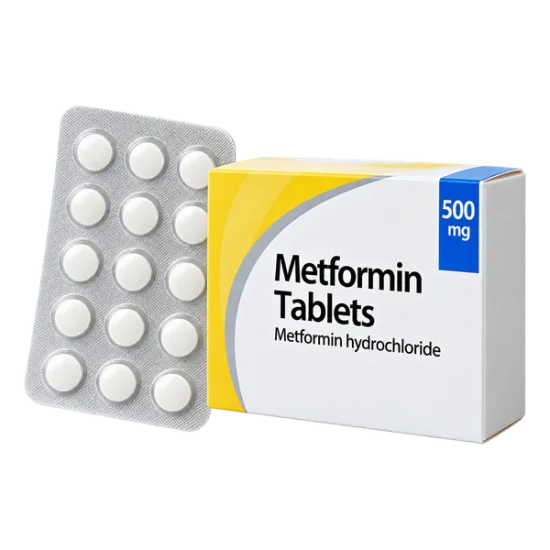
Metformin is used for adults with Type 2 diabetes to support blood glucose control. Its key benefit is reducing excessive glucose release from the liver while improving insulin sensitivity.
Dosage and administration
The amount and frequency of Metformin use depend on the purpose of treatment and are agreed with a doctor or pharmacist. Adult treatment commonly begins with a clinician-directed dose followed by gradual adjustment according to blood glucose, A1c, kidney function, and gastrointestinal tolerance.
- Take the tablet with the meal specified in the treatment plan.
- Swallow the tablet with water unless the prescribed product instructions say otherwise.
- Follow the prescribed schedule for immediate-release or extended-release treatment.
- If a dose is missed, take the next scheduled dose unless a clinician has provided different instructions.
- Do not double the next dose to compensate for a missed tablet.
- Kidney function should be assessed before treatment and during ongoing use.
- Tell radiology staff about metformin before an imaging procedure involving iodinated contrast.
The tablet strength may be used during clinician-directed initiation or titration, but it does not create one universal schedule for every adult. Kidney function is expressed partly through estimated glomerular filtration rate, or eGFR. Reduced eGFR can change whether metformin is appropriate and how it is managed. FDA prescribing information addresses renal assessment and contrast-related interruptions. [3]
Severe vomiting, prolonged diarrhea, fever, or poor fluid intake can cause dehydration. Continuing metformin during significant dehydration may increase the risk of complications, so the treatment plan should specify what to do during acute illness.
Formulation
Metformin Hydrochloride Composition and Drug Class
Metformin contains metformin hydrochloride and belongs to the biguanide class. The product is supplied as oral tablets. Its pharmacological action is different from insulin because it does not directly replace the hormone.
Metformin does not normally stimulate the pancreas to release large amounts of insulin. This helps explain why hypoglycemia is uncommon when metformin is used alone.
How it affects the body
Metformin reduces excessive glucose production by the liver, particularly through suppression of hepatic gluconeogenesis. It also improves insulin sensitivity in peripheral tissues, helping them use available glucose more effectively. These combined effects improve blood glucose control without directly replacing insulin. [2]
Therapeutic indications
Metformin is prescribed mainly for Type 2 diabetes mellitus, often alongside nutrition planning, physical activity, blood-glucose monitoring, and regular diabetes follow-up. The tablets contain metformin hydrochloride, a biguanide that targets excessive glucose release from the liver while improving insulin sensitivity.
| Use | Treatment goal | Common monitoring measure |
|---|---|---|
| Type 2 diabetes | Lower blood glucose and improve glycemic control | A1c and fasting plasma glucose |
| Selected prediabetes cases | Reduce progression risk in appropriate adults | Fasting plasma glucose and A1c |
Glucose is the main sugar circulating in the blood. Blood glucose describes the amount present at a given moment, while A1c estimates average glucose exposure over roughly the previous two to three months. Fasting plasma glucose, or FPG, measures glucose after a defined period without food.
Metformin may be considered for selected adults with prediabetes when risk factors, laboratory results, age, weight, and previous treatment response support that decision. Prediabetes does not automatically require medicine. The American Diabetes Association emphasizes individualized assessment alongside nutrition and activity measures.
Type 2 Diabetes and Selected Prediabetes Use
For Type 2 diabetes, metformin helps reduce excessive liver glucose production and improves the response of tissues to insulin. It can be used alone or combined with other glucose-lowering treatments when one medicine does not provide sufficient control.
A1c is useful for tracking longer-term response. FPG provides a fasting measurement. Neither result replaces an individualized treatment plan.
Glycemic Control Measures
Glycemic control means keeping blood glucose within the range agreed for the individual. Good control is assessed through laboratory results, home readings when indicated, symptoms, and treatment tolerability.
Common mistakes
Several avoidable errors can reduce benefit or increase risk:
- Doubling the next dose after forgetting a tablet.
- Taking the tablet on an empty stomach when the treatment plan specifies a meal.
- Crushing or chewing an extended-release tablet.
- Failing to mention metformin before iodinated-contrast imaging.
- Continuing treatment through severe vomiting, diarrhea, dehydration, or inability to eat without receiving illness instructions.
- Assuming every episode of shakiness is hypoglycemia without checking glucose when possible.
- Ignoring numbness, tingling, anemia, or unusual fatigue that could justify vitamin B12 testing.
- Stopping treatment abruptly after one high or low reading.
Reasons not to use it
Metformin is not suitable for everyone. It should not be used in circumstances where the risk of accumulation, tissue oxygen shortage, or serious metabolic disturbance is too high.
- Severe renal impairment or a level of kidney dysfunction that makes treatment unsuitable.
- A previous serious reaction to metformin.
- Acute or chronic metabolic acidosis, including diabetic ketoacidosis.
- Severe dehydration or a serious condition causing reduced oxygen delivery to tissues.
- A planned contrast-imaging procedure requiring temporary interruption without a clear clinical plan.
- Heavy alcohol use combined with poor food intake, dehydration, or significant illness.
When this is not for you
Metformin may not be right for you if your kidneys are severely impaired, you have had a serious reaction to metformin, or you have a condition that causes too little oxygen to reach your tissues. Speak with a clinician before treatment if you have severe dehydration, serious illness, liver disease, heart failure, or heavy alcohol use. You should also get specific instructions before contrast imaging, surgery, prolonged fasting, or if you are pregnant, planning pregnancy, or breastfeeding.
Possible side effects
The most frequent adverse effects involve the digestive system. Nausea, diarrhea, abdominal discomfort, gas, and reduced appetite can occur, especially after treatment begins or the dose increases.
Gastrointestinal Tolerability
Taking metformin with food can reduce stomach irritation. Slow titration may also improve tolerance. Extended-release tablets help some people, but they can still cause diarrhea or nausea.
Persistent vomiting or diarrhea deserves medical review because fluid loss can lead to dehydration. Severe abdominal discomfort should not be dismissed as an unavoidable part of treatment.
Hypoglycemia and Hyperglycemia Recognition
Metformin alone usually has a low risk of hypoglycemia. The risk increases when it is used with insulin or a sulfonylurea such as glyburide.
Possible hypoglycemia symptoms include sweating, shaking, hunger, dizziness, irritability, weakness, and confusion. Check blood glucose when possible and follow the individualized diabetes plan. Glucose tablets may be appropriate for a confirmed low reading when the person is awake and able to swallow, but they do not treat every cause of weakness or confusion.
Hyperglycemia can cause thirst, frequent urination, tiredness, blurred vision, or unexplained weight loss. Marked symptoms require review because high glucose can result from infection, missed treatment, stress, or progression of diabetes.
Lactic Acidosis and Vitamin B12 Monitoring
Lactic acidosis is rare but serious. Risk increases with severe kidney impairment, tissue oxygen shortage, serious infection, dehydration, acute illness, and heavy alcohol intake. Urgent symptoms can include unusual weakness, rapid or difficult breathing, persistent vomiting, confusion, severe abdominal discomfort, or feeling extremely unwell.
Long-term metformin use can reduce vitamin B12 levels in some people. Numbness, tingling, unusual tiredness, a sore tongue, or anemia may justify clinician-directed B12 testing. FDA safety information identifies B12 reduction as a recognized monitoring issue. [4]
Alcohol and Dehydration Precautions
Excess alcohol can worsen glucose instability and interfere with lactate handling. The concern is greater during fasting, dehydration, liver disease, kidney impairment, or acute illness.
Comparison
Metformin, insulin, and sulfonylureas can all help manage Type 2 diabetes, but they work in different ways and carry different monitoring needs.
| Treatment | Route and main role | Key limitation |
|---|---|---|
| Metformin | Oral tablet; lowers liver glucose production and improves insulin sensitivity | Digestive effects and kidney-related restrictions |
| Insulin | Injection; directly replaces or supplements insulin | Hypoglycemia and injection-related management |
| Sulfonylurea | Oral treatment; increases insulin release | Greater hypoglycemia risk, including with glyburide |
Metformin is often useful when an oral treatment is appropriate and kidney function allows it. Insulin may be needed when insulin production is insufficient, glucose is markedly elevated, during some pregnancies, or in certain acute illnesses.
Sulfonylurea therapy can lower glucose effectively but requires careful attention to meals, kidney function, age, and hypoglycemia symptoms. No option is universally preferable. Treatment choice reflects glucose targets, kidney function, pregnancy status, comorbidities, and individual circumstances.
What doctors say
In clinical practice, doctors usually set expectations that Metformin improves glucose control gradually rather than producing an immediate symptom change. A1c gives a clearer picture of response than a single home reading.
Clinicians also pay attention to tolerance. Mild early diarrhea may improve, while persistent gastrointestinal symptoms can indicate that the schedule or formulation needs review. Kidney function is checked because it influences eligibility and safety.
A practical prescribing point is that metformin should remain part of a wider diabetes plan. Nutrition, activity, glucose monitoring, and treatment follow-up continue to matter because the tablet does not correct every cause of high blood glucose.
Comparison
Common questions
How long does one Metformin dose keep working?
The effect of one dose depends on whether the prescribed tablet is immediate-release or extended-release, as well as kidney function and the treatment schedule. Metformin is intended to provide continuing glucose control through regular use rather than a short, noticeable effect after each tablet. FDA labeling reviewed in 2024 describes different administration patterns for immediate-release and extended-release products. The schedule should match the exact prescribed formulation. A pharmacist can confirm which formulation is being used.
What should happen if the expected glucose improvement does not come?
A lack of improvement can result from insufficient treatment intensity, missed doses, illness, dietary changes, reduced activity, or progression of Type 2 diabetes. Do not take extra tablets to force a faster response. The American Diabetes Association guidance from 2025 supports reviewing glucose records, A1c, kidney function, adherence, and other medicines before changing treatment.
How long does a Metformin course last, and is long-term use acceptable?
Metformin is often used for an extended period when it continues to improve glycemic control and remains suitable for kidney function and general health. It is not normally treated as a short course for Type 2 diabetes. The World Health Organization’s 2023 diabetes guidance supports ongoing review of glucose control and treatment safety rather than setting one universal stopping date.
Which diet, exercise, or habits help or hinder the result?
Regular meals, suitable physical activity, adequate hydration, and a diabetes-focused nutrition plan can support glucose control. Heavy alcohol intake, prolonged fasting, dehydration, and sudden changes in eating can increase risk. The American Diabetes Association Standards of Care published in 2025 emphasizes combining medicine with lifestyle measures suited to the individual.
What is the best time of day to take Metformin?
The best time depends on the prescribed formulation and whether it is scheduled with one meal or divided between meals. Taking immediate-release Metformin with food often improves gastrointestinal tolerance, while extended-release products may have a different schedule. FDA prescribing information from 2024 supports following the administration instructions for the specific formulation rather than choosing a time based only on convenience.
Do you offer anonymous delivery?
Your order will be securely packed and shipped within 24 hours. This is exactly what your package will look like (images of an actual item sent). It has the size and look of a regular private letter (9.4x4.3x0.3 in.) and its contents cannot be seen.
Customer Feedback on Metformin
Sources
- FDA (2024). Metformin Hydrochloride Tablets: Prescribing Information
- PubMed (2016). Metformin: New understandings of its molecular mechanism of action
- FDA (2016). Drug Safety Communication: FDA revises warnings regarding use of metformin in certain patients with reduced kidney function
- FDA (2024). Metformin Hydrochloride: Prescribing Information, Warnings and Precautions