Skip to content

Black Friday +8 free tablets with every order Nov 19 – Dec 2

Glucotrol-Xl

Glucotrol-Xl

Active ingredient: Glipizide

4.3 3 reviews In stock Overview
Package

$34.35

$61.59 $68.70 Save 10%

$82.92 $103.05 Save 20%

$100.68 $137.40 Save 27%

$132.66 $206.10 Save 36%

Black Friday +8 free tablets with every order until Dec 2

Delivery: 4-7 business days

Glipizide, the active ingredient of Glucotrol-Xl, is an extended-release sulfonylurea for adults with type 2 diabetes. It lowers blood sugar by stimulating insulin release from pancreatic beta cells. The extended-release tablet is taken once daily with breakfast.

Overview

Glucotrol-Xl contains glipizide, a second-generation sulfonylurea used with diet and physical activity to improve blood glucose control in adults with type 2 diabetes. Its pharmacological class is sulfonylurea.

Dosage and administration

Glucotrol-Xl dosing is individualized. The appropriate amount depends on blood glucose readings, kidney and liver function, meal patterns, age, physical activity, and other diabetes medicines. A single dose is not suitable for every adult.

The usual administration principles are:

  • Take the prescribed dose once daily with breakfast or the first main meal.
  • Swallow the tablet whole with water.
  • Do not crush, chew, or split the extended-release tablet.
  • Take it at the same time each day.
  • Do not take an extra tablet after a missed dose.
  • If the next scheduled dose is near, skip the missed dose and resume the regular schedule.
  • Monitor blood glucose more closely after starting treatment or changing the dose.
  • Maintain regular meals because delayed or missed food can provoke hypoglycemia.

Dose adjustments may be needed when a person begins insulin, stops another glucose-lowering medicine, changes meal patterns, or develops reduced kidney or liver function.

Do not take the tablet before a long fast, a morning procedure, or an unusually delayed meal unless the prescribing clinician has given a specific plan for that situation.

Exercise can lower blood glucose for several hours after activity. A person using glipizide should know how their glucose responds to walking, resistance training, or prolonged physical work, especially when exercise occurs soon after the daily dose.

Formulation

The active ingredient is glipizide. Its pharmacological class is sulfonylurea.

The extended-release design supports sustained drug release after the tablet reaches the gastrointestinal tract. The tablet must be swallowed whole with water. Crushing, chewing, or splitting it can disrupt the release system and expose the body to glipizide too quickly.

Take Glucotrol-Xl with the first substantial meal of the day. Taking it and then skipping breakfast can increase the chance of low blood sugar.

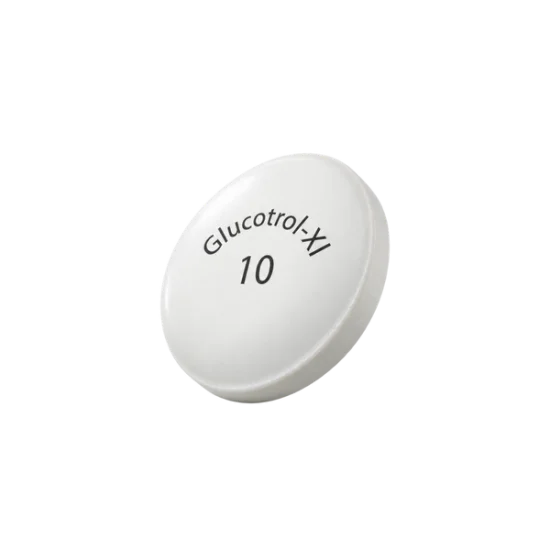
The tablet shell may pass through the digestive tract and appear in the stool. This can be normal with some extended-release formulations because the active ingredient has already been released.

How it affects the body

Glipizide binds to sulfonylurea receptors on pancreatic beta cells, closing ATP-sensitive potassium channels. This alters the beta-cell membrane potential and stimulates insulin release. Increased insulin secretion helps lower blood glucose in adults with type 2 diabetes.

Therapeutic indications

Glucotrol-Xl contains glipizide, a second-generation sulfonylurea used with diet and physical activity to improve blood glucose control in adults with type 2 diabetes. The FDA describes extended-release glipizide as an oral treatment for type 2 diabetes when diet and exercise alone do not provide adequate glycemic control [1].

Common mistakes

Several routine errors can reduce glucose control or increase harm:

  • Taking the extended-release tablet without eating.
  • Crushing or chewing the tablet to make swallowing easier.
  • Taking a double dose after forgetting the previous one.
  • Drinking alcohol without accounting for delayed hypoglycemia.
  • Assuming dizziness is harmless without checking glucose.
  • Increasing exercise sharply while keeping food intake unchanged.
  • Stopping treatment when glucose improves.
  • Failing to report repeated low readings.
  • Ignoring changes in kidney or liver function.
  • Treating every high reading with an extra tablet.

One tablet can look unchanged after passing through the digestive tract. That appearance does not necessarily mean the dose failed, because the shell may remain after drug release.

A second common mistake is relying only on fasting glucose. A person may have acceptable morning readings and still develop post-meal hyperglycemia or overnight lows. Recording meal timing, exercise, symptoms, and glucose readings gives the clinician more useful information.

Reasons not to use it

Glucotrol-Xl is not intended for type 1 diabetes or diabetic ketoacidosis.

This medication is not for you if you have type 1 diabetes, diabetic ketoacidosis, or a previous serious allergic reaction to glipizide or another sulfonylurea.

Extra caution is needed with:

  • Significant kidney impairment
  • Liver disease
  • Glucose-6-phosphate dehydrogenase deficiency
  • Recurrent hypoglycemia
  • Irregular meals or prolonged fasting
  • Older age with reduced food intake
  • Pregnancy or breastfeeding
  • Treatment with insulin or several glucose-lowering medicines

Some medicines can increase the glucose-lowering effect of glipizide, including certain antibiotics, antifungal medicines, and other antidiabetic drugs. Corticosteroids, some diuretics, thyroid medicines, and sympathomimetic agents can raise blood glucose and reduce treatment response. Beta-blockers may mask warning symptoms of hypoglycemia.

When this is not for you

Glucotrol-Xl is not suitable for everyone. Do not use it if you have type 1 diabetes, diabetic ketoacidosis, or have had a serious allergic reaction to glipizide or another sulfonylurea. Speak with a clinician before using it if you have kidney or liver problems, frequent low blood sugar, irregular meals, are pregnant or breastfeeding, or use insulin and other glucose-lowering medicines.

Possible side effects

Hypoglycemia is the main safety concern with glipizide. It occurs when blood glucose falls below the level needed for normal brain and muscle function. The risk is higher with missed meals, inadequate carbohydrate intake, heavy exercise, alcohol, older age, kidney disease, liver disease, or combination treatment with insulin and other glucose-lowering medicines.

Early symptoms can include:

  • Shaking or sweating
  • Hunger
  • Fast heartbeat
  • Tingling around the mouth
  • Irritability or anxiety
  • Dizziness
  • Blurred vision
  • Difficulty concentrating
  • Weakness

More severe hypoglycemia can cause confusion, unusual behavior, seizures, loss of consciousness, or coma. Severe symptoms require urgent medical care. A person who is awake and able to swallow should use a rapid source of glucose, then recheck blood sugar after the interval recommended in their diabetes care plan. Chocolate and high-fat foods are slower choices because fat delays glucose absorption.

Other reported adverse effects include nausea, diarrhea, constipation, abdominal discomfort, headache, dizziness, and skin reactions. Rare but serious reactions include severe allergic symptoms, liver injury, blood disorders, and hemolytic anemia in people with glucose-6-phosphate dehydrogenase deficiency. The FDA prescribing information provides detailed warnings for hypoglycemia, hypersensitivity, and hematologic reactions [2].

Keep fast-acting glucose available during exercise, travel, and long work shifts. A glucose meter reading can confirm hypoglycemia, but severe confusion or unconsciousness is an emergency rather than a situation for oral food or drink.

Glipizide can also cause low blood sugar without dramatic warning symptoms. Beta-blockers may reduce awareness of tremor and palpitations, leaving sweating or confusion as the first noticeable sign.

Alcohol can make glucose control less predictable. It may increase the chance of hypoglycemia, impair recognition of symptoms, and interfere with the ability to respond to an episode. Heavy alcohol use can also worsen liver function, which affects glucose regulation and medicine handling.

Comparison

Glucotrol-Xl belongs to a group that increases insulin secretion. Other diabetes treatments lower glucose through different pathways. Selection depends on kidney function, cardiovascular disease, heart failure, weight goals, hypoglycemia risk, treatment response, and tolerance.

Treatment category Main action and practical distinction
Glipizide extended release Stimulates pancreatic insulin release; oral extended-release dosing; hypoglycemia and weight gain are important limitations
Metformin Reduces hepatic glucose production and improves insulin sensitivity; gastrointestinal effects are common, while hypoglycemia risk is low when used alone
GLP-1 receptor agonists Increase glucose-dependent insulin release, slow gastric emptying, and reduce appetite; nausea and injectable administration may affect suitability
SGLT2 inhibitors Increase urinary glucose excretion; may offer heart or kidney benefits for selected patients, with genital infections and dehydration among possible concerns
DPP-4 inhibitors Enhance glucose-dependent incretin activity; generally low hypoglycemia risk when used alone, with a more modest glucose-lowering effect

Metformin is often considered when insulin resistance and increased hepatic glucose production are central features. An SGLT2 inhibitor may be favored when chronic kidney disease or heart failure affects treatment planning. A GLP-1 receptor agonist may suit a person who needs substantial glucose reduction alongside appetite and weight management. DPP-4 inhibitors can be useful when a low-hypoglycemia oral option is preferred.

Insulin remains essential when pancreatic insulin production is insufficient or glucose levels are severely uncontrolled. Glucotrol-Xl can be useful for adults who still produce endogenous insulin, yet the trade-off is a greater risk of hypoglycemia than with medicines that act in a glucose-dependent manner.

Glyburide and glimepiride are also sulfonylureas. Their dosing schedules and hypoglycemia profiles differ from glipizide. Nateglinide stimulates insulin secretion through a related pathway but has a shorter meal-linked action. Active ingredients such as semaglutide, empagliflozin, sitagliptin, tirzepatide, and metformin belong to different therapeutic approaches and should not be substituted without a planned treatment decision.

A falling A1C does not automatically mean the regimen is ideal. Repeated low readings, skipped meals, or treatment-related weight gain may lead a clinician to choose a different class even when glucose numbers improve.

What doctors say

In clinical practice, doctors usually judge glipizide by glucose control and by the frequency of low readings, not by a single home measurement. A stable routine helps reveal whether the dose matches meal timing, activity, and insulin production.

A clinician would usually explain that Glucotrol-Xl requires consistent meals. The medicine cannot compensate for repeated skipped breakfasts or large changes in carbohydrate intake. It also cannot correct every cause of high glucose, such as infection, steroid treatment, or progressive loss of beta-cell function.

A1C testing reflects average glucose over roughly three months, while home readings show daily variation. The American Diabetes Association recommends individualized glycemic targets rather than one universal target for every adult [3]. The European Medicines Agency (EMA), the National Institute for Health and Care Excellence (NICE), and the World Health Organization (WHO) also publish relevant diabetes or medicine guidance. Treatment may be adjusted when glucose remains high, hypoglycemia occurs, kidney function changes, or the person’s health priorities shift.

One practical issue is often missed: a person may feel well while glucose remains above target. Type 2 diabetes can cause few immediate symptoms, so treatment assessment depends on measurements and scheduled clinical review rather than symptoms alone.

Comparison

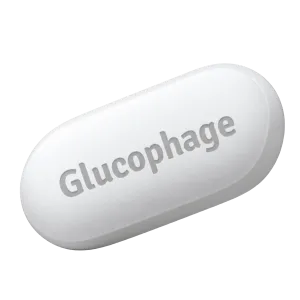
Glucophage

Active ingredient: Metformin
500mg 850mg 1000mg
From $16.47
pills
4.1 (4)

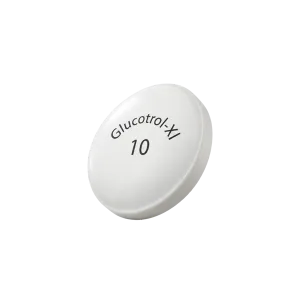
Glucotrol-Xl Current

Active ingredient: Glipizide
10mg
From $34.35
pills
4.3 (3)

Glycoheal

Active ingredient: Metformin
500mg
From $15.44
pills
4.4 (4)

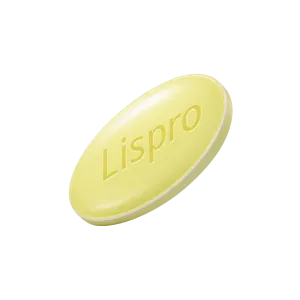
Lispro

Active ingredient: Insulin Lispro
10mg
From $101.87
pills
3.8 (5)

Metformin

Active ingredient: Metformin
500mg
From $20.18
pills
3.9 (5)

Comparison table: Diabetes

Common questions

How long does a course of Glucotrol-Xl last, and is long-term use acceptable?

Glucotrol-Xl may be used long term when it continues to control glucose without unacceptable hypoglycemia or other complications. Type 2 diabetes treatment is usually ongoing rather than a fixed short course. The 2022 FDA labeling supports continued treatment with dose adjustment according to glycemic response and tolerance, while the American Diabetes Association reviews treatment targets annually and when health circumstances change. A person should not stop suddenly because readings improve unless the prescriber changes the plan. Follow-up timing depends on glucose results and clinical context.

Which symptoms require stopping Glucotrol-Xl and seeking urgent medical care?

Severe confusion, seizure, loss of consciousness, inability to swallow, facial swelling, breathing difficulty, or widespread blistering rash requires urgent medical attention. Repeated low readings, fainting, or hypoglycemia that returns after glucose treatment also needs prompt medical review. The 2022 FDA labeling identifies severe hypoglycemia and hypersensitivity as serious risks associated with glipizide. Do not take another dose while severely unwell or unable to eat until urgent medical advice has addressed the situation.

How long does one dose of Glucotrol-Xl keep working?

The extended-release formulation is designed for glucose-lowering activity across the daily dosing interval, which is why it is administered once daily. The duration can vary with kidney and liver function, food intake, physical activity, and other medicines. The 2022 FDA labeling describes the formulation as extended release, while pharmacology references explain that glipizide exposure and glucose response differ between extended-release and immediate-release forms. A dose may continue lowering glucose after a person has finished exercising or eaten less than usual.

Which condition rules out Glucotrol-Xl completely?

Type 1 diabetes and diabetic ketoacidosis rule out Glucotrol-Xl because glipizide cannot replace the insulin required in those conditions. The 2022 FDA prescribing information identifies these uses as inappropriate for glipizide therapy. A previous serious hypersensitivity reaction to glipizide or a related sulfonylurea is another clear reason to avoid it. Severe hypoglycemia risk also makes treatment unsuitable for some people with advanced kidney or liver disease.

Which diet, exercise, or habits help or hinder the result?

Regular meals, consistent carbohydrate intake, and moderate physical activity help make the glucose response more predictable. Skipping meals, heavy alcohol intake, prolonged fasting, dehydration, and sudden strenuous exercise can increase hypoglycemia risk. The 2024 American Diabetes Association Standards of Care recommends individualized nutrition and activity planning for adults with type 2 diabetes, with adjustments based on glucose patterns and treatment class. Keeping a record of unusual exercise or delayed meals can explain unexpected low readings.

How soon does the effect of Glucotrol-Xl become noticeable?

Glipizide can begin lowering blood glucose after administration, but the full assessment of a treatment plan takes longer because daily readings and A1C provide different information. The 2022 FDA labeling describes glipizide as an insulin secretagogue with a prompt pharmacological action, while the American Diabetes Association uses A1C trends to evaluate longer-term control. Some people notice improved readings within days, but treatment decisions should not rely on one reading. Persistent high glucose or early hypoglycemia warrants a planned review of the regimen.

Do you offer anonymous delivery?

Your order will be securely packed and shipped within 24 hours. This is exactly what your package will look like (images of an actual item sent). It has the size and look of a regular private letter (9.4x4.3x0.3 in.) and its contents cannot be seen.

Customer Feedback on Glucotrol-Xl

4.3 Based on 3 reviews
Stuart, 33 Las Vegas Several weeks
Nov 13, 2026
Rating: 4.5 out of 5
I used Glucotrol-Xl with breakfast for several weeks and saw steadier morning readings than before. My readings after meals also improved, and the once-daily routine fit my work schedule well.
Alan C., 67 Indianapolis The first weeks
Oct 17, 2026
Rating: 3.5 out of 5
Glucotrol-Xl helped bring my readings down, but the first weeks were less predictable than I expected. I had one mild episode of sweating and shakiness after eating late, so I became more careful about keeping meals regular.
Gary, 44 Houston
Oct 30, 2026
Rating: 5 out of 5
I noticed better glucose numbers after the treatment became part of my morning routine. I kept taking walks and paying attention to meal portions, and the combination made my readings easier to manage.

Sources

  1. U.S. Food and Drug Administration (2022). Glucotrol XL (glipizide extended release) Prescribing Information.
  2. U.S. Food and Drug Administration (2022). Glipizide Drug Label Information.
  3. American Diabetes Association (2024). Standards of Care in Diabetes—2024.
Get our free app Shop faster and track your orders 4.0 · 378 reviews Install