Skip to content

Black Friday +8 free tablets with every order Nov 19 – Dec 2

Levoheal

Levoheal

Active ingredient: Levofloxacin

4.5 4 reviews In stock Overview
Package

$53.30

$103.05 $106.60 Save 3%

$148.06 $159.90 Save 7%

$188.34 $213.20 Save 12%

$270.07 $319.80 Save 16%

Black Friday +8 free tablets with every order until Dec 2

Delivery: 4-7 business days

Bacterial infections of the lungs, sinuses, urinary tract, and skin may require a prescription antibiotic when a susceptible bacterium is identified. Levoheal contains levofloxacin, a fluoroquinolone that blocks enzymes bacteria need to copy and repair their DNA. It is intended for infections where this antibiotic is clinically appropriate.

Overview

Levoheal contains levofloxacin, a fluoroquinolone antibiotic. It is taken by mouth and acts against susceptible bacteria responsible for selected respiratory, urinary, skin, and soft-tissue infections.

Dosage and administration

Levoheal should be taken only in the prescribed amount and for the prescribed duration. There is no single dose that suits every adult because treatment depends on the infection, kidney function, age, previous antibiotic exposure, and susceptibility of the bacteria.

  • Swallow the oral dose with a full glass of water.
  • Take it at a consistent time each day when treatment is scheduled once daily.
  • Keep the complete prescribed course unless the prescriber changes it.
  • Separate the dose from aluminum- or magnesium-containing antacids, iron, zinc, or multivitamins because these products can reduce absorption.
  • Do not take levofloxacin at the same time as mineral supplements.
  • If a dose is missed, take it when remembered unless the next scheduled dose is close.
  • Never take two doses together to compensate for a missed dose.
  • If vomiting occurs soon after administration, obtain individualized advice because absorption may be incomplete.

The course should not be stopped merely because fever, pain, or urinary symptoms improve. Stopping early can leave surviving bacteria behind and may promote treatment failure or resistance. A prescriber may still stop or change the antibiotic when a serious adverse reaction appears, when testing identifies a better option, or when the diagnosis changes.

Antacids and mineral supplements are a frequent cause of treatment problems. Plan their timing separately from levofloxacin rather than taking them together.

Kidney impairment can require a lower dose or a longer interval between doses. Older adults often need special attention to kidney function, tendon symptoms, heart rhythm risk, and medicines taken for other conditions.

Formulation

Levoheal contains levofloxacin, a fluoroquinolone antibiotic.

Pharmacological classification

Levofloxacin belongs to the fluoroquinolone class. Its bactericidal action means that it kills susceptible bacteria rather than merely slowing their growth. The drug reaches several body tissues, which explains its use in selected infections affecting the lungs, sinuses, urinary system, skin, and soft tissues.

The exact prescribed amount varies between patients and infection types. Kidney function is a major factor because levofloxacin is eliminated mainly through the kidneys.

Tell the prescriber about kidney disease before treatment begins. Levofloxacin dosing often requires adjustment when renal function is reduced.

How it affects the body

Levofloxacin enters bacterial cells and inhibits two enzymes called DNA gyrase and topoisomerase IV. These enzymes help bacteria unwind, copy, repair, and separate their genetic material. When both processes are disrupted, the bacterial cell cannot reproduce normally and eventually dies. This mechanism explains why the drug acts only against susceptible bacteria. It does not treat viral infections or overcome bacterial resistance.

Human cells use different enzymes, which allows levofloxacin to target bacterial DNA handling more selectively than human DNA processes. The drug’s broad activity comes from its ability to affect several bacterial species, though resistance can reduce its usefulness.

WHO guidance published in 2022, alongside antimicrobial-stewardship recommendations from NICE and the Centers for Disease Control and Prevention, supports selecting antibiotics according to infection severity, likely organisms, resistance risk, and the individual patient [2].

Therapeutic indications

Levoheal may be prescribed for bacterial infections when levofloxacin is considered suitable. The FDA labeling for levofloxacin describes indications that include community-acquired pneumonia, acute bacterial sinusitis, complicated urinary tract infections, acute pyelonephritis, and selected skin or skin-structure infections [1].

Infection area Examples of clinical use Key limitation
Respiratory tract Community-acquired pneumonia and selected bacterial sinus infections Not useful for viral colds or influenza
Urinary tract Complicated urinary infections and kidney infections Kidney function affects dosing
Skin and soft tissue Selected bacterial skin infections The organism should be susceptible

Levofloxacin can be considered when the likely bacteria are sensitive to it and other suitable options are less appropriate. Fluoroquinolones are not automatically the first choice for every infection because their serious adverse effects can outweigh their benefits in milder conditions.

A cough, sinus pressure, burning urination, or skin redness does not by itself prove that bacteria are responsible. A clinician may use examination findings, cultures, imaging, urine testing, or local treatment guidance to select an antibiotic.

Common mistakes

Several avoidable errors can reduce treatment success or increase harm:

  • Taking levofloxacin with an iron tablet, zinc supplement, or mineral antacid.
  • Stopping as soon as the fever disappears without a prescribed change.
  • Exercising through tendon pain.
  • Ignoring tingling or numbness in the feet or hands.
  • Taking a double dose after forgetting one.
  • Driving after dizziness, blurred vision, confusion, or unusual drowsiness develops.
  • Using leftover antibiotic for a later illness.
  • Failing to mention warfarin, corticosteroids, diabetes medicines, or heart rhythm treatment.
  • Treating diarrhea with self-selected medicines when it is severe, persistent, or bloody.
  • Assuming a sore throat, cold, or influenza requires an antibiotic.

One detail patients often miss is the timing of supplements. A daily multivitamin may contain both iron and zinc, so it can interfere with absorption even when the patient does not recognize it as a medicine.

Reasons not to use it

This medication is not for you if you have previously experienced a serious allergic reaction to levofloxacin or another fluoroquinolone. It also requires careful medical assessment in people with a history of fluoroquinolone-related tendon injury, significant rhythm abnormalities, seizure disorders, peripheral neuropathy, myasthenia gravis, severe kidney impairment, or major aortic disease risk.

Medicines requiring special attention

Levofloxacin may interact with:

  • Warfarin: anticoagulant response and INR may change, requiring monitoring.
  • Nonsteroidal anti-inflammatory drugs: combined use may increase central nervous system stimulation or seizure risk in susceptible people.
  • Antacids containing aluminum or magnesium: these can reduce absorption.
  • Iron and zinc: these minerals can bind levofloxacin and lower its uptake.
  • Corticosteroids: combined use increases concern about tendon injury.
  • Medicines that prolong the QT interval: the combination can raise the risk of serious rhythm disturbance.
  • Diabetes medicines: blood glucose may rise or fall unexpectedly.
  • Medicines affecting heart rhythm or kidney function: the prescriber may need to review the full treatment list.

Pregnancy and breastfeeding require an individualized risk assessment. A history of heart rhythm problems, low potassium, aneurysm, aortic disease, or connective-tissue disorder also matters when the prescriber evaluates treatment.

When this is not for you

Levoheal is not suitable for everyone. Talk with the prescriber before taking it if you have had tendon problems, heart rhythm concerns, seizures, nerve symptoms, muscle weakness from myasthenia gravis, kidney disease, or a condition affecting the aorta. Pregnancy and breastfeeding also require an individualized risk assessment.

Possible side effects

Levofloxacin can cause mild effects, but it also carries class-specific warnings that deserve prompt attention. The FDA warns about disabling reactions involving tendons, muscles, joints, nerves, and the central nervous system; some reactions can persist after treatment ends [3].

Common or less severe reactions can include:

  • Nausea or stomach discomfort
  • Diarrhea
  • Headache
  • Dizziness
  • Insomnia
  • Abdominal discomfort
  • Skin sensitivity to sunlight

Stop strenuous activity and seek urgent medical assessment if tendon pain, swelling, stiffness, or a sudden snap develops. Achilles tendon problems are well known, but the shoulder, hand, wrist, or other tendons can also be affected. The risk is higher in older adults, people taking systemic corticosteroids, people with kidney disease, and recipients of certain organ transplants.

Peripheral neuropathy may cause burning, tingling, numbness, weakness, or altered sensation in the hands or feet. These symptoms can arise early. Prompt medical review matters because continuing treatment after nerve symptoms begin may increase the chance of persistent problems.

Seek urgent care for:

  • Severe or persistent watery or bloody diarrhea
  • Fainting, rapid heartbeat, or new palpitations
  • Seizure, confusion, hallucinations, or severe agitation
  • Facial swelling, breathing difficulty, or widespread blistering rash
  • Sudden weakness, severe tendon pain, or inability to bear weight
  • Yellowing of the skin or eyes with dark urine
  • Marked changes in blood glucose, especially when using diabetes medicines

Levofloxacin can also increase sensitivity to sunlight. A patient may burn more easily than expected, even during ordinary outdoor activity.

Do not “work through” new Achilles pain during treatment. Pause running, jumping, and heavy lower-body exercise until the symptom has been assessed.

Comparison

Levofloxacin is one possible antibacterial approach. The best alternative depends on the infection site, culture results, allergies, kidney function, pregnancy status, previous antibiotic exposure, and local resistance.

Treatment approach Typical clinical role Main limitation
Levofloxacin, a fluoroquinolone Selected respiratory, urinary, and other susceptible bacterial infections Tendon, nerve, heart rhythm, and central nervous system warnings
Beta-lactam antibiotics Many respiratory, urinary, skin, and soft-tissue infections Allergy, resistance, and organism-specific limitations
Macrolide antibiotics Selected respiratory or atypical bacterial infections Drug interactions, gastrointestinal effects, and resistance concerns

Different formulations containing levofloxacin may be pharmacologically similar when they contain the same active substance and strength, but substitution should be handled by a prescriber or dispensing professional. A similar-sounding antibiotic is not automatically interchangeable.

Levofloxacin may be selected when tissue penetration, bacterial susceptibility, or prior treatment history supports its use. A beta-lactam or macrolide may be preferred in another patient because of age, pregnancy, cardiac history, tendon risk, resistance patterns, or allergy history.

What doctors say

In clinical practice, doctors usually treat fluoroquinolones as targeted antibiotics rather than routine first-line medicines for every uncomplicated infection. The decision often turns on three points: whether bacteria are likely, whether the suspected organism is susceptible, and whether the expected benefit justifies the safety profile.

Another practical issue is symptom interpretation. Fever may improve before the infection has cleared, while cough or fatigue can remain after bacterial killing has begun. Persistent worsening, new shortness of breath, confusion, severe pain, or recurrent fever needs reassessment rather than an unsupervised extension of treatment.

The European Medicines Agency has issued class-level safety guidance for systemic fluoroquinolones, including restrictions around disabling and potentially long-lasting reactions [4]. That information supports careful selection, clear counseling, and early reporting of tendon or nerve symptoms.

Comparison

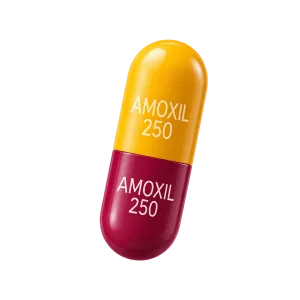
Amoxil

Active ingredient: Amoxicillin
250mg 500mg 1000mg
From $31.27
pills
4.1 (5)

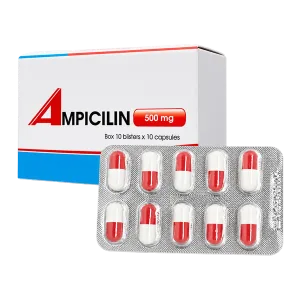
Ampicillin

Active ingredient: Ampicillin
250mg 500mg
From $32.95
pills
3.8 (5)

Augmentin

Active ingredient: Amoxicillin, Clavulanic Acid
625mg
From $73.12
pills
4.3 (4)

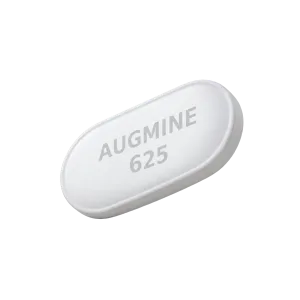
Augmine

Active ingredient: Amoxicillin, Clavulanic Acid
625mg
From $73.12
pills
4.3 (4)

Bactrim

Active ingredient: Sulfamethoxazole, Trimethoprim
480mg 960mg
From $27.80
pills
3.7 (3)

Comparison table: Antibiotics

Common questions

Can Levoheal affect driving, concentration, or work with machinery?

Levofloxacin may cause dizziness, blurred vision, confusion, sleep disturbance, tremor, or reduced concentration in some patients. FDA safety information current to 2023 advises caution with activities requiring alertness when these effects occur [5]. Do not drive, climb, or operate machinery until you know how the medicine affects you.

How should Levoheal be stored at home or while travelling?

Keep the medicine in a dry place at ordinary room temperature and protect it from excessive heat, moisture, and direct sunlight. The FDA prescribing information from 2023 supports keeping oral medicines in their designated container and away from children. During travel, carry it in hand luggage rather than leaving it in a hot car or checked baggage.

Which condition rules out Levoheal?

A previous serious allergic reaction to levofloxacin or another fluoroquinolone rules out further use unless a specialist determines otherwise. The EMA safety review published in 2018 also supports avoiding systemic fluoroquinolones when a previous disabling reaction occurred with this class. A history of fluoroquinolone-related tendon injury is another major reason for selecting a different antibiotic.

Can older adults use Levoheal?

Older adults may use levofloxacin when a prescriber decides that its benefits outweigh its risks. Age-related reduction in kidney function can alter drug exposure, while older age and corticosteroid treatment increase concern about tendon injury. WHO antibiotic guidance from 2022 supports adjusting antimicrobial choices to the patient’s organ function, infection severity, and adverse-effect risk.

What should I do after a missed dose or application?

Take the missed dose when remembered unless the next scheduled dose is near; skip it when taking both would result in doses too close together. Do not double the amount. FDA prescribing information from 2023 recommends following the missed-dose instructions for the prescribed regimen and contacting the prescriber if several doses were missed or vomiting prevents reliable absorption.

Do you offer anonymous delivery?

Your order will be securely packed and shipped within 24 hours. This is exactly what your package will look like (images of an actual item sent). It has the size and look of a regular private letter (9.4x4.3x0.3 in.) and its contents cannot be seen.

Customer Feedback on Levoheal

4.5 Based on 4 reviews
Gary A., 51 Orlando Full prescribed duration
Nov 19, 2026
Rating: 5 out of 5
I took Levoheal for a confirmed bacterial respiratory infection. Breathing became easier after several days, and the fever settled without returning. I took the prescribed dose at the same time each day for the full prescribed duration.
Ryan, 65 Philadelphia Full course
Oct 22, 2026
Rating: 3 out of 5
Levoheal helped with a urinary infection, but the improvement was slower than I expected. I had mild stomach upset during the first few days, which made meals less appealing. I took the prescribed dose for the full course, and the treatment still helped, although I would not want to repeat it without a clear reason.
Andrew, 28 Chicago Full course
Oct 29, 2026
Rating: 5 out of 5
I used Levoheal for a bacterial sinus infection and noticed less facial pressure during the treatment period. I took the prescribed dose for the full course. The congestion did not disappear immediately, but the main symptoms eased steadily. Keeping a water bottle nearby made the tablets easier to take.
Daniel, 27 Tampa Full course
Nov 11, 2026
Rating: 5 out of 5
Levoheal brought my symptoms under control after the first part of the course. I returned to normal activity gradually and did not combine the doses with my mineral supplement. I took the prescribed dose for the full course. The treatment was straightforward once I separated the timings.

Sources

  1. U.S. Food and Drug Administration (2023). Levofloxacin Tablets: Prescribing Information.
  2. World Health Organization (2022). The WHO AWaRe Antibiotic Book.
  3. U.S. Food and Drug Administration (2018). Fluoroquinolone Antibacterial Drugs: Drug Safety Communication.
  4. European Medicines Agency (2018). Quinolone- and fluoroquinolone-containing medicinal products.
  5. U.S. Food and Drug Administration (2023). Levofloxacin Medication Guide.
Get our free app Shop faster and track your orders 4.0 · 396 reviews Install