Skip to content

Black Friday +8 free tablets with every order Nov 19 – Dec 2

Migabet

Migabet

Active ingredient: Flunarizine

4.3 3 reviews In stock Overview
Dosage
Package
Package

$48.56

$79.36 $97.12 Save 18%

$104.24 $145.68 Save 28%

$124.37 $194.24 Save 36%

$153.99 $291.36 Save 47%

$40.27

$68.70 $80.54 Save 15%

$99.50 $120.81 Save 18%

$124.37 $161.08 Save 23%

$153.99 $241.62 Save 36%

Black Friday +8 free tablets with every order until Dec 2

Delivery: 4-7 business days

Migabet is intended for a specific medical need and is supplied as an oral tablet classified as a general medicine. Its dose, duration of action, interactions, and safety profile depend on the prescribed regimen and the medicine’s active pharmacology.

Overview

Migabet is an oral tablet marketed as a general medicine. The product name identifies the medicine, while the prescribing purpose depends on the condition being treated, the selected dose, and the patient’s health profile. A prescriber or pharmacist should match Migabet with the intended indication before treatment begins.

Verified Product Identity

Migabet belongs to the tablet category of general medicines. The appropriate route is oral administration unless a prescriber has provided different instructions for a specific clinical circumstance.

A tablet should be swallowed with water unless the prescribed instructions state that it may be divided, dissolved, or taken in another way. Do not crush or split a tablet when its release characteristics have not been confirmed, because altering some tablet designs can change how quickly the medicine enters the bloodstream.

Keep the dosing time consistent from day to day. A regular routine makes missed doses easier to identify and helps prevent accidental repeat dosing.

Dosage and administration

Dosage Form and Administration Guidelines

Migabet is administered orally as a tablet. The individual dose is decided by taking age, other medicines, and health conditions into account.

  • Take it at the prescribed time and frequency.
  • Swallow the tablet with water unless different instructions apply.
  • Do not increase, reduce, or repeat a dose independently.
  • Do not share the medicine with another person.
  • Do not crush, chew, or split the tablet unless that method has been specifically confirmed.
  • Keep a simple record if several medicines are taken at different times.

Standard Administration Principles

The prescriber’s directions take priority over general dosing habits. Some medicines are taken with food to reduce stomach irritation, while others are separated from meals because food changes absorption. The correct approach depends on the confirmed formulation and intended use. Food instructions vary by product. Ask a pharmacist when the label is unclear.

One practical mistake is taking a medicine at the same time as every other tablet in the morning. That routine can create avoidable absorption or interaction problems. A written medication schedule is useful when several prescriptions, over-the-counter products, or supplements are involved.

Missed Dose and Excess Dose Actions

If a dose is missed, do not automatically take two tablets together. The appropriate action depends on the time until the next scheduled dose and the medicine’s duration of action.

An accidental extra dose can be serious even when the person feels well at first. Urgent medical advice is needed after a substantial dosing error, especially if there is unusual sleepiness, confusion, fainting, vomiting, breathing difficulty, chest discomfort, seizure, or a marked change in heartbeat.

When a dose is forgotten, write down the time and the amount taken instead of relying on memory. This prevents a second dose being taken because the first one is uncertain.

Dose Adjustments and Monitoring

Dose selection may require extra care in older adults and people with impaired kidney or liver function. Pregnancy, breastfeeding, dehydration, low body weight, and multiple medicines can also change the balance between benefit and adverse effects.

Treatment monitoring should focus on the intended symptom and on signs of intolerance. Dose changes should be made through the prescriber, not by alternating tablets or creating an improvised schedule.


Formulation

Active Ingredient and Pharmacological Class

The clinical action of Migabet comes from its active pharmaceutical ingredient. That ingredient determines whether the medicine acts on a receptor, enzyme, transporter, blood vessel, inflammatory pathway, or another biological target.

The active ingredient also determines the approved indications, expected onset, interactions, contraindications, and side-effect pattern. These details should be established as part of the prescribing decision rather than inferred from the brand name or tablet strength.

How it affects the body

Mechanism of Action and Expected Therapeutic Effect

The therapeutic effect of Migabet depends on its active pharmacological target. Medicines may reduce symptoms by changing nerve signaling, relaxing smooth muscle, reducing inflammation, altering hormone activity, or modifying the absorption or production of a particular substance.

A receptor is a cellular structure that receives a chemical signal. An enzyme is a protein that speeds up a biological reaction. A transporter moves substances across cell membranes. These terms describe different ways in which medicines can influence symptoms and disease processes.

Pharmacological Target

The practical sequence is:

  • the active ingredient reaches the relevant tissues;
  • it interacts with its biological target;
  • the target changes its normal signaling or activity;
  • the clinical symptom gradually improves or becomes easier to control.

The exact target, class, and clinical effect must be linked to the prescribed indication. The FDA and WHO describe medicine action through the relationship between pharmacology, dose, exposure, and clinical response rather than through brand names alone [2].

Therapeutic indications

Approved Medical Uses

Migabet should be taken for the diagnosed condition for which it has been prescribed. A medicine may have a recognized use in one condition but provide no appropriate benefit for another condition with similar symptoms.

Do not use a tablet intended for one person as self-treatment for another person. The same symptom can arise from several causes, and the correct treatment may differ substantially. FDA, EMA, NICE, and the MHRA place the indication, dose, and patient-specific risk factors at the center of safe medicine use [1].

Common mistakes

Common Patient Mistakes

The most common practical errors include:

  • doubling the next dose after forgetting one;
  • stopping treatment suddenly after one uncomfortable symptom;
  • storing tablets in a humid bathroom;
  • assuming a tablet can be crushed or split;
  • failing to mention vitamins, supplements, or occasional medicines;
  • using someone else’s prescribed treatment;
  • judging the medicine after one dose when repeated treatment is required;
  • continuing despite swelling, breathing difficulty, fainting, seizure, or severe rash.

One detail patients often miss is that an apparently minor change in tablet appearance may reflect moisture damage. Another is that a missed dose should be handled according to timing, not corrected automatically with an extra tablet.

A third common mistake is taking a new over-the-counter product without recording it. The interaction review should include products used only occasionally.

Reasons not to use it

Contraindications

This medicine is not for you if:

  • you have previously had a severe allergic reaction to its active ingredient or an excipient;
  • a prescriber has identified a contraindicated condition;
  • you are taking a medicine known to produce a dangerous interaction with it;
  • you cannot follow the prescribed dosing schedule safely;
  • the tablet belongs to another person or was prescribed for a different condition.

Pregnancy and breastfeeding require an individual benefit–risk assessment. Kidney or liver impairment may change how long a medicine remains in the body. These factors should be included before the first dose.

When this is not for you

Patient Safety Factors

Safety depends on the active ingredient, the reason for treatment, existing diseases, and concurrent medicines. Extra caution may be required with a history of drug allergy, kidney disease, liver disease, heart rhythm problems, seizure disorders, pregnancy, or breastfeeding.

Keep a current list of prescription medicines, pain relievers, cold remedies, vitamins, and herbal products. Non-prescription products are a frequent source of missed interaction information.

Possible side effects

Side Effects and Safety Precautions

Side effects depend on the active ingredient, dose, treatment duration, and the patient’s other medical conditions. A symptom that is mild and temporary for one medicine may signal a serious reaction with another.

Common medicine-related symptoms can include stomach discomfort, nausea, headache, dizziness, tiredness, dry mouth, or changes in bowel habits. These effects are not universal, and their frequency cannot be judged from the brand name alone.

Common Adverse Effects

Mild symptoms should be recorded with their timing and relationship to each dose. This information helps distinguish a short-lived effect from a pattern that requires treatment adjustment.

Contact a clinician promptly if symptoms persist, interfere with normal activities, become progressively worse, or appear after every dose. Do not stop long-term treatment abruptly unless urgent symptoms make immediate medical attention necessary.

Serious Reaction Warning Signs

Seek emergency medical care for:

  • difficulty breathing or swallowing;
  • swelling of the lips, tongue, face, or throat;
  • widespread blistering or peeling skin;
  • fainting, severe confusion, or loss of consciousness;
  • seizure;
  • severe chest pain or marked palpitations;
  • sudden weakness, speech difficulty, or one-sided numbness;
  • persistent vomiting with signs of dehydration.

A suspected severe allergic reaction requires urgent action even if the symptoms begin to improve. The timing of the last dose and all other medicines taken should be reported to emergency staff.

Comparison

Migabet and Clinically Relevant Alternatives

Treatment comparisons should be based on active ingredient and mechanism, not on a shared tablet strength. Two medicines with the same numerical strength can have completely different biological actions and dosing schedules.

Treatment category Clinical role Main limitation
Migabet tablet Used according to its prescribed indication The regimen must match the confirmed pharmacology and patient factors
Same-class treatment May provide a related biological effect Interaction and side-effect patterns can differ
Different-class treatment May suit patients who cannot use one mechanism It may require a different onset, monitoring plan, or administration schedule

Class-Based Comparison

A same-class alternative may be considered when a patient has an incomplete response, intolerance, or a contraindication to one active ingredient. A different-class treatment may be selected when the disease mechanism, associated symptoms, or patient risk factors point elsewhere.

The best option depends on diagnosis, treatment goals, previous response, kidney and liver function, concurrent medicines, and the consequences of side effects. The EMA emphasizes that therapeutic equivalence cannot be assumed from tablet appearance or strength alone [3].

Selection Factors

Potential advantages of a well-matched treatment include targeted symptom control, a manageable dosing routine, and an acceptable interaction profile. Limitations may include delayed benefit, adverse effects, the need for monitoring, or reduced suitability in a particular medical condition.

A prescriber should compare expected benefit with the patient’s specific risks. Changing between medicines without an appropriate transition plan can cause treatment failure or withdrawal-related symptoms.

What doctors say

Doctor Perspectives

In clinical practice, doctors first establish the diagnosis and treatment goal before selecting a tablet. The brand name alone does not determine whether a medicine is appropriate for headache, pain, blood pressure, mood, allergy, or another condition.

A physician also reviews the complete medication list. This includes occasional pain relievers, antacids, sleep aids, energy products, vitamins, and herbal supplements. A patient who says “no other prescriptions” may still be taking several products that affect treatment safety.

The response should be judged against a defined goal. For example, the clinician may track symptom frequency, severity, sleep disruption, functional ability, blood pressure, or another relevant measure. A vague impression that the medicine “feels different” is less useful than a dated symptom record.

Comparison

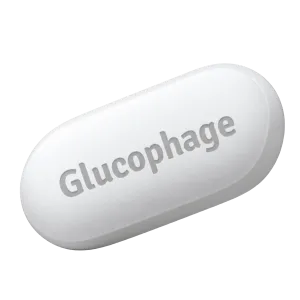
Glucophage

Active ingredient: Metformin
500mg 850mg 1000mg
From $16.47
pills
4.1 (4)

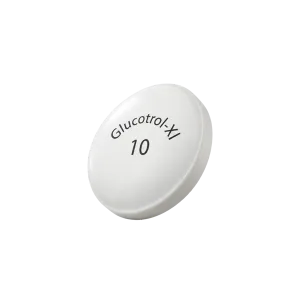
Glucotrol-Xl

Active ingredient: Glipizide
10mg
From $34.35
pills
4.3 (3)

Glycoheal

Active ingredient: Metformin
500mg
From $15.44
pills
4.4 (4)

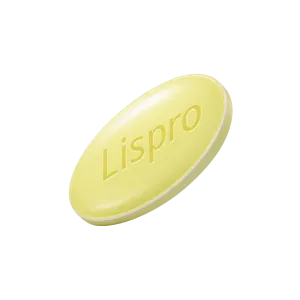
Lispro

Active ingredient: Insulin Lispro
10mg
From $101.87
pills
3.8 (5)

Metformin

Active ingredient: Metformin
500mg
From $20.18
pills
3.9 (5)

Comparison table: Diabetes

Common questions

How long does one dose of Migabet keep working?

The duration of one dose depends on the active ingredient, formulation, prescribed indication, and the patient’s metabolism. A medicine taken for symptom relief may act over a different period from one designed for prevention or long-term control. FDA pharmacology guidance from 2024 explains that dose interval should reflect drug exposure and clinical response rather than tablet strength alone [4].

Which symptoms mean that Migabet should be stopped and reviewed urgently?

Breathing difficulty, swelling of the face or throat, fainting, seizure, severe chest pain, severe confusion, or blistering skin require urgent medical attention. These symptoms can indicate a serious reaction or toxicity and should not be managed by taking another dose. WHO medication-safety principles published in 2022 support immediate escalation when a suspected adverse reaction threatens breathing, consciousness, circulation, or skin integrity [5].

Can people under 18 use Migabet?

Use in people under 18 depends on the active ingredient, diagnosis, formulation, and clinical evidence for that age group. Adult dosing should not be transferred to a child or teenager. A pediatric prescriber should make the decision because body size, organ development, and adverse-effect risks differ from those in adults. FDA pediatric guidance from 2024 emphasizes checking age-specific labeling before treatment.

Can Migabet affect driving, concentration, or machinery work?

Some medicines cause dizziness, sleepiness, blurred vision, slowed reaction time, or impaired concentration. Until the individual response is clear, caution is appropriate with driving, heights, and machinery. Alcohol and other sedating products can increase impairment, while feeling fully awake does not always guarantee normal reaction speed. MHRA safety advice from 2024 recommends checking driving warnings before operating machinery.

Do diet, exercise, or daily habits help or hinder the result?

Regular sleep, adequate hydration, and a consistent dosing routine can support treatment adherence. Alcohol, dehydration, skipped meals, excessive caffeine, or strenuous activity may worsen symptoms or medicine-related effects in some treatment settings. The appropriate dietary restrictions depend on the active ingredient, so broad elimination diets should not be started without a clinical reason. NICE guidance from 2023 supports individualized advice when diet may affect treatment.

Do you offer anonymous delivery?

Your order will be securely packed and shipped within 24 hours. This is exactly what your package will look like (images of an actual item sent). It has the size and look of a regular private letter (9.4x4.3x0.3 in.) and its contents cannot be seen.

Dry-Place Storage

A bathroom cabinet may seem convenient, but repeated steam and humidity can affect tablets. A dry bedroom cabinet away from a sink, shower, heater, or sunny window is generally more suitable.

Do not transfer tablets into an unmarked container when doing so could cause confusion with another medicine. Keep medicines separated when several household members use different treatments.

Expiry and Disposal Checks

Do not use tablets that are damaged, wet, crumbling, discolored, or unexpectedly changed in appearance. Expired or damaged medicines should be disposed of through the local medicine-disposal route rather than flushed into household plumbing unless local instructions specifically permit that method.

Storage instructions protect the medicine from environmental damage. They do not correct an incorrect dose, an unsuitable indication, or a serious interaction.

Customer Feedback on Migabet

4.3 Based on 3 reviews
Andrew, 63 Austin
Oct 24, 2026
Rating: 5 out of 5
I used Migabet according to the schedule I was given. The improvement became clear after I had kept the routine consistent for a while, and I was satisfied with the practical benefit.
Robert L., 32 Chicago
Nov 4, 2026
Rating: 3 out of 5
Migabet helped somewhat, but the response was slower than I expected. I also noticed mild tiredness at first, so I kept a note of the timing and discussed it during my treatment review.
Gareth, 49 Cleveland
Nov 19, 2026
Rating: 5 out of 5
The treatment fitted into my daily routine and gave me a noticeable improvement in the symptoms it was prescribed for. Keeping the tablets in a dry cabinet made the schedule easy to maintain.

Sources

  1. U.S. Food and Drug Administration (FDA) (2024). Drugs@FDA Glossary of Terms and Regulatory Information.
  2. World Health Organization (WHO) (2022). Medication Without Harm: Global Patient Safety Challenge.
  3. European Medicines Agency (EMA) (2023). Guideline on the Investigation of Bioequivalence.
  4. U.S. Food and Drug Administration (FDA) (2022). Clinical Pharmacology Considerations for Human Drug Trials.
  5. World Health Organization (WHO) (2023). WHO Technical Report Series: Medication Safety in Polypharmacy.
Get our free app Shop faster and track your orders 4.0 · 378 reviews Install