Skip to content

Black Friday +8 free tablets with every order Nov 19 – Dec 2

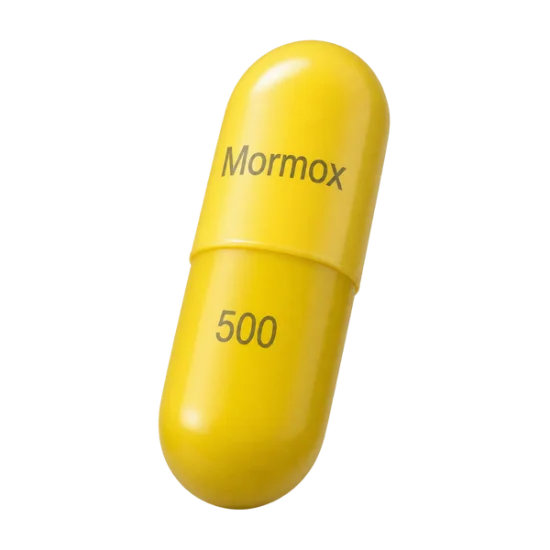
Mormox

Mormox

Active ingredient: Amoxicillin

4 3 reviews In stock Overview
Package

$31.98

$58.04 $63.96 Save 9%

$76.99 $95.94 Save 20%

$85.28 $127.92 Save 33%

$110.16 $191.88 Save 43%

Black Friday +8 free tablets with every order until Dec 2

Delivery: 4-7 business days

Mormox is taken by mouth in the prescribed form, with or without food as directed for the infection. It contains amoxicillin, a penicillin-class antibiotic used for susceptible bacterial infections. Amoxicillin stops bacterial cell-wall formation, helping clear infections in areas such as the respiratory tract, skin, and urinary tract.

Overview

Mormox contains amoxicillin as its active pharmaceutical ingredient. Amoxicillin belongs to the beta-lactam and penicillin antibiotic classes. It acts against susceptible bacteria by interfering with the structure that protects the bacterial cell.

Dosage and administration

The amount per intake is set individually rather than being one fixed number for every person. The regimen depends on the infection, age, body weight, kidney function, bacterial susceptibility, and the product form prescribed.

Mormox is taken orally according to the prescribed schedule. Practical administration points include:

  • Take each dose at evenly spaced times to maintain antibiotic exposure.
  • Swallow the prescribed oral form with water.
  • Take it with food if nausea occurs, unless the prescriber has given different instructions.
  • Complete the prescribed course unless a clinician changes or stops it because of an adverse reaction.
  • If a dose is missed, take it when remembered unless the next scheduled dose is close; do not double the next intake.
  • Do not share Mormox with another person who has similar symptoms.
  • Do not use leftover doses for a later illness.

A liquid oral formulation, when prescribed, requires careful measurement with an oral dosing device rather than a household teaspoon. Shaking a suspension before each dose is necessary because the active ingredient can settle during storage.

Formulation

Mormox contains amoxicillin as its active pharmaceutical ingredient. Amoxicillin belongs to the beta-lactam and penicillin antibiotic classes. It acts against susceptible bacteria by interfering with the structure that protects the bacterial cell.

Mormox is intended for bacterial infections, not illnesses caused by viruses. Colds, influenza, and most uncomplicated viral sore throats do not improve with antibiotics. The choice of amoxicillin depends on the suspected organism, infection site, allergy history, local resistance patterns, kidney function, and the person’s clinical condition.

Amoxicillin is absorbed after oral administration and distributed through body tissues and fluids. The kidneys remove much of the medicine, so renal impairment can require an individually adjusted regimen. The FDA prescribing information describes amoxicillin products for several susceptible bacterial infections, including infections of the ear, nose, throat, skin, urinary tract, and lower respiratory tract [1].

Tell the prescriber about a previous reaction to penicillin or cephalosporin antibiotics. Hives, facial swelling, wheezing, or fainting after an antibiotic can indicate a serious beta-lactam allergy.

How it affects the body

Amoxicillin targets bacterial cell-wall synthesis. Bacteria use peptidoglycan to build a firm outer wall that protects them from pressure changes. Amoxicillin binds to penicillin-binding proteins and blocks the cross-linking step needed to strengthen this wall.

The weakened bacterial wall can rupture as the organism grows. This produces a bactericidal effect against susceptible bacteria. Human cells do not have peptidoglycan cell walls, which explains why this target is selective for bacteria.

The mechanism differs from antibiotics that block bacterial protein production or DNA replication. This distinction guides antibiotic selection. Amoxicillin is most useful when the organism is susceptible and can be reached at the infection site. Beta-lactamase enzymes produced by some bacteria can break down amoxicillin, reducing its activity; clinicians may choose another regimen when this resistance mechanism is suspected. The WHO AWaRe antibiotic book describes antibiotic selection as a balance between likely pathogens, resistance, infection severity, and antimicrobial stewardship [2].

Therapeutic indications

Mormox may be used when laboratory findings, symptoms, or clinical examination indicate a susceptible bacterial infection. Amoxicillin does not treat every bacterial strain, and resistance can make another antibiotic more suitable.

Common treatment areas include:

  • Respiratory tract infections: selected bacterial infections of the throat, sinuses, bronchi, or lungs.
  • Skin and soft-tissue infections: infections caused by susceptible organisms, including some streptococcal infections.
  • Urinary tract infections: selected infections when the causative bacteria are susceptible to amoxicillin.
  • Ear, nose, and throat infections: some bacterial middle-ear, sinus, or throat infections.
  • Dental infections: amoxicillin may be used in selected odontogenic infections when a clinician considers it appropriate.

Symptoms can begin to improve before the infection has been fully eradicated. Reduced pain or fever does not prove that all bacteria have disappeared. Stopping treatment early can allow surviving bacteria to multiply and may contribute to treatment failure.

If symptoms are getting worse, a new fever appears, breathing becomes difficult, or a localized infection spreads, the treatment plan needs prompt clinical reassessment rather than an unscheduled extra dose.

Common mistakes

  • Taking doses only when symptoms feel severe.
  • Stopping as soon as fever or pain improves.
  • Doubling a dose after forgetting one.
  • Using a kitchen spoon for a liquid formulation.
  • Saving remaining doses for a future illness.
  • Taking someone else’s antibiotic.
  • Ignoring a previous penicillin allergy.
  • Treating severe diarrhea as an ordinary stomach upset.
  • Crushing or altering an oral product when its formulation requires swallowing intact.
  • Assuming every sore throat, cough, or sinus symptom requires an antibiotic.

One subtle problem is confusing side effects with treatment failure. Mild nausea may occur even when the antibiotic is working. Persistent fever, worsening swelling, breathing difficulty, or spreading redness points to a clinical problem that requires assessment rather than extra medication.

Reasons not to use it

Mormox is not suitable for you if you have had a serious immediate allergy to amoxicillin, penicillin, or a related beta-lactam antibiotic. A previous episode involving anaphylaxis, angioedema, breathing difficulty, or widespread hives is a major warning.

Clinical review is also needed before treatment when there is:

  • Significant kidney disease
  • A history of antibiotic-associated colitis
  • Infectious mononucleosis or a mononucleosis-like illness
  • Liver disease or previous liver problems during antibiotic therapy
  • Pregnancy or breastfeeding
  • Treatment with several medicines that may affect kidney function or blood clotting

Amoxicillin can interact with anticoagulants such as warfarin. Clotting tests may need closer monitoring because infection, diet changes, and antibiotics can alter anticoagulant response. Allopurinol may increase the likelihood of an amoxicillin-associated rash. Methotrexate toxicity can increase when methotrexate clearance is reduced, so the combination requires prescribing oversight.

Oral hormonal contraceptives do not generally require extra precautions solely because of amoxicillin, except when vomiting or severe diarrhea could impair absorption. A clinician should review the complete medicine and supplement list before treatment, including nonprescription products.

When this is not for you

Do not take Mormox without medical advice if an antibiotic has ever caused you severe breathing problems, swelling, fainting, or widespread hives. Tell the prescriber about kidney or liver problems, previous severe diarrhea after antibiotics, pregnancy or breastfeeding, and all medicines you use.

Possible side effects

Digestive symptoms are the most familiar adverse effects associated with oral amoxicillin. Possible reactions include:

  • Diarrhea or loose stools
  • Nausea
  • Vomiting
  • Abdominal discomfort or pain
  • Mild skin rash
  • Headache

Diarrhea can occur because antibiotics alter bacteria in the intestine, not only at the infection site. Mild loose stools may settle during or shortly after treatment. Persistent watery diarrhea, blood in the stool, severe cramps, or fever can indicate antibiotic-associated colitis and requires urgent medical assessment.

Nausea is often easier to manage when the prescribed dose is taken with a small meal, provided food is compatible with the specific instructions. Rich or greasy meals may worsen queasiness in some people. Frequent vomiting can prevent the dose from being absorbed and may require a revised treatment plan.

Allergic reactions need a different response. A rapidly spreading rash, blistering, swelling of the lips or tongue, wheezing, throat tightness, or collapse requires emergency care. A mild rash can have several causes, including the infection itself, so its appearance and timing should be documented for the treating clinician.

Rare reactions include liver injury, blood-count abnormalities, kidney inflammation, and severe skin reactions. The EMA’s canonical amoxicillin product information describes gastrointestinal, allergic, hematological, hepatic, and renal adverse reactions as clinically relevant safety considerations [3].

Do not treat significant antibiotic diarrhea with an anti-diarrheal product without medical advice, especially when there is fever, blood, severe abdominal pain, or repeated watery stool.

Comparison

The most suitable antibiotic depends on the organism and infection, not on a general preference for one class.

Antibiotic approach Main action and clinical distinction
Amoxicillin Penicillin antibiotic that blocks bacterial cell-wall synthesis; useful for susceptible organisms
Macrolide therapy Interferes with bacterial protein production; may be selected for some respiratory infections or beta-lactam allergies
Tetracycline therapy Blocks bacterial protein production; used for selected respiratory, skin, or atypical bacterial infections

Amoxicillin is often selected when a susceptible streptococcal or other sensitive organism is likely. A macrolide may be considered when a clinically significant penicillin allergy changes the options, although resistance and heart-rhythm risks must be assessed. Tetracyclines have different age, pregnancy, and interaction considerations.

Broader coverage is not always better. Narrow, targeted therapy can reduce unnecessary exposure to other bacteria and limit selection pressure for resistance. The CDC and national antimicrobial-prescribing guidance emphasize matching antibiotic choice to the diagnosed infection rather than treating symptoms alone.

What doctors say

In clinical practice, doctors usually focus on three decisions: whether the illness is bacterial, whether amoxicillin covers the likely organism, and whether the patient can take it safely. A productive cough or colored nasal discharge alone does not establish a bacterial infection.

Prescribers also consider recent antibiotic exposure. A person who has recently taken amoxicillin may have a higher chance of carrying resistant bacteria, depending on the infection and local patterns. Culture testing can help when an infection is severe, recurrent, unusual, or not improving.

A physician would expect gradual improvement rather than an instant change after the first intake. If the diagnosis is correct and the organism is susceptible, fever and localized symptoms may begin to settle over the following days. Lack of improvement, deterioration, or a new symptom can indicate resistance, an abscess, a viral illness, or a different diagnosis.

Comparison

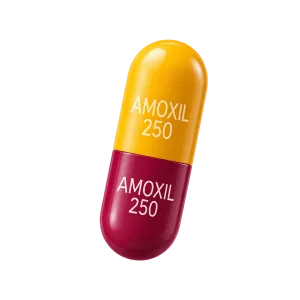
Amoxil

Active ingredient: Amoxicillin
250mg 500mg 1000mg
From $31.27
pills
4.1 (5)

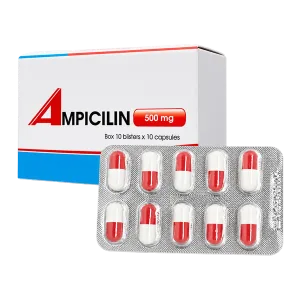
Ampicillin

Active ingredient: Ampicillin
250mg 500mg
From $32.95
pills
3.8 (5)

Augmentin

Active ingredient: Amoxicillin, Clavulanic Acid
625mg
From $73.12
pills
4.3 (4)

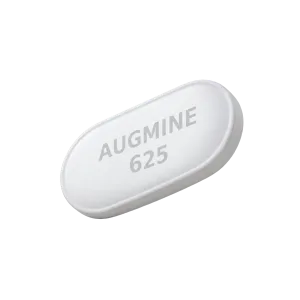
Augmine

Active ingredient: Amoxicillin, Clavulanic Acid
625mg
From $73.12
pills
4.3 (4)

Bactrim

Active ingredient: Sulfamethoxazole, Trimethoprim
480mg 960mg
From $27.80
pills
3.7 (3)

Comparison table: Antibiotics

Common questions

Which diet, exercise, or habits can help or hinder Mormox treatment?

Regular hydration and adequate rest can support recovery while the infection is being treated. There is no special food that makes amoxicillin cure an infection, and alcohol does not create the same specific reaction associated with some other antibiotics, though it can worsen nausea or dehydration. The CDC’s antibiotic-use guidance in 2025 continued to stress taking antibiotics only for appropriate bacterial infections and using them exactly as prescribed. Strenuous exercise may need to be reduced when fever, breathing symptoms, or significant weakness is present.

Which condition rules out Mormox completely?

A previous serious immediate allergic reaction to amoxicillin or another penicillin rules out routine use of Mormox. Anaphylaxis, throat swelling, breathing difficulty, or widespread immediate hives are examples of high-risk reactions. The FDA’s amoxicillin prescribing information, reviewed in 2023, identifies serious hypersensitivity to penicillins as a contraindication. A nonallergic stomach upset is different from anaphylaxis, but it should still be recorded for future treatment decisions.

Can Mormox be combined with anticoagulants or supplements?

Warfarin and other anticoagulant treatment require specific attention because infection and amoxicillin may alter clotting control. Allopurinol can increase the chance of an amoxicillin-associated rash, while methotrexate may require additional monitoring because clearance can be affected. The WHO antibiotic guidance published in 2022 supports reviewing all concurrent medicines before selecting an antibiotic. Provide the complete list of prescription medicines, over-the-counter products, and supplements before starting treatment.

How long does one dose of Mormox keep working?

Amoxicillin is cleared through the kidneys, so the prescribed schedule is designed to maintain antibacterial exposure over the treatment interval. The duration of action depends on the dose, formulation, kidney function, and the infection being treated. EMA product information available in 2024 describes renal clearance as a key factor affecting amoxicillin exposure. A single intake should not be repeated early because symptoms have not yet improved.

What should be discussed with a doctor before starting Mormox?

Discuss penicillin or cephalosporin allergies, kidney disease, pregnancy, breastfeeding, previous antibiotic-associated diarrhea, liver problems, and current medicines. The clinician may also need details about recent antibiotic use, recurring infections, and the duration or severity of symptoms. NICE guidance for urinary tract infection, updated before 2026, uses clinical features and susceptibility considerations when selecting antimicrobial treatment. This information helps determine whether amoxicillin is suitable and whether testing or a different treatment approach is needed.

Do you offer anonymous delivery?

Your order will be securely packed and shipped within 24 hours. This is exactly what your package will look like (images of an actual item sent). It has the size and look of a regular private letter (9.4x4.3x0.3 in.) and its contents cannot be seen.

Customer Feedback on Mormox

4 Based on 3 reviews
Andrew, 38 Philadelphia
Oct 24, 2026
Rating: 4.5 out of 5
I took Mormox for a bacterial throat infection. The fever eased after a few days, and swallowing became much easier during the same course. I kept the doses spaced through the day and finished the prescribed treatment.
Gareth V., 37 Portland
Nov 7, 2026
Rating: 4.5 out of 5
Mormox was used for a skin infection that had become painful and red. The tenderness reduced steadily, and the redness stopped spreading after the first part of treatment. I found it easier to remember the doses by linking them with regular meals.
Lee S., 58 Nashville
Nov 21, 2026
Rating: 3 out of 5
Mormox helped my urinary symptoms, but the improvement was slower than I expected. I also had loose stools for several days, which settled after the course ended. The next time, I would report the stomach symptoms earlier rather than waiting.

Sources

  1. U.S. Food and Drug Administration (2023). Amoxicillin prescribing information.
  2. World Health Organization (2022). The WHO AWaRe Antibiotic Book.
  3. European Medicines Agency (2024). Summary of Product Characteristics (SmPC) — amoxicillin.
Get our free app Shop faster and track your orders 4.0 · 378 reviews Install