Skip to content

Black Friday +8 free tablets with every order Nov 19 – Dec 2

Ceftin

Ceftin

Active ingredient: Cefuroxime

4 4 reviews In stock Overview
Package

$78.27

$166.85 $208.72 Save 20%

$282.21 $391.35 Save 28%

$389.33 $600.07 Save 35%

Black Friday +8 free tablets with every order until Dec 2

Delivery: 4-7 business days

Ceftin is taken by mouth as a tablet or oral suspension, preferably after food, to treat susceptible bacterial infections. It contains cefuroxime axetil, an antibiotic used for infections of the airways, skin, urinary tract, and selected sexually transmitted or tick-borne infections. Its active form blocks bacterial cell-wall construction, causing susceptible bacteria to break down.

Overview

Ceftin contains cefuroxime axetil, a prodrug that is absorbed through the intestine and converted into cefuroxime in the body. Cefuroxime is a second-generation cephalosporin antibiotic with bactericidal activity, meaning it kills susceptible bacteria rather than only slowing their growth. The FDA classifies Ceftin as a prescription antibacterial treatment. [1]

Dosage and administration

  • Dose: Take the prescribed amount of Ceftin as the selected tablet dose or oral-suspension volume; the exact strength in mg or mg/mL is confirmed with a healthcare professional before starting.
  • Frequency: Take it at the prescribed frequency, at evenly spaced times each day; the exact number of doses per day depends on the infection and patient factors.
  • Timing: Take Ceftin by mouth, preferably after food. Swallow tablets whole with water, and measure the oral suspension with a proper oral measuring device.
  • Duration: Complete the prescribed course unless the prescriber changes it; the exact duration depends on the infection.
  • Missed dose: Take a missed dose when remembered unless the next dose is close. Do not double the next dose.
  • Kidney function: A modified regimen may be needed with reduced kidney function, so the regimen for the chosen strength is confirmed with a healthcare professional before starting.

Formulation

Cefuroxime axetil is designed for oral use. The axetil portion helps absorption, while cefuroxime is the active antibacterial substance circulating in the bloodstream and reaching infected tissues.

Tablets are best taken shortly after a meal. Food improves absorption of cefuroxime axetil and helps make blood concentrations more reliable.

How it affects the body

Cefuroxime binds to bacterial penicillin-binding proteins. These proteins are needed to assemble peptidoglycan, the rigid protective layer around bacterial cells. When that layer cannot form correctly, susceptible bacteria rupture.

Its activity includes many strains involved in respiratory, urinary, skin, and ear infections. It can act against susceptible Staphylococcus aureus, though it does not cover methicillin-resistant Staphylococcus aureus (MRSA). Bacterial resistance patterns vary by region and infection site.

Ceftin does not treat viruses.

Therapeutic indications

Ceftin is prescribed when a clinician has diagnosed, or strongly suspects, a bacterial infection that is likely to respond to cefuroxime. Choosing an antibiotic by symptoms alone can miss the real cause of illness, especially when sore throat, cough, congestion, or diarrhea are viral.

FDA-approved uses for cefuroxime axetil include several outpatient infections:

  • Respiratory infections: acute bacterial sinusitis, pharyngitis or tonsillitis, and acute bacterial exacerbations of chronic bronchitis.
  • Ear and throat infections: acute otitis media in appropriate patients and infections caused by susceptible throat bacteria.
  • Skin infections: uncomplicated infections involving susceptible bacteria in the skin or soft tissue.
  • Urinary infections: uncomplicated urinary tract infections caused by susceptible organisms.
  • Sexually transmitted infection: uncomplicated gonorrhea in situations where cefuroxime is clinically selected.
  • Tick-borne infection: early Lyme disease, including erythema migrans, the expanding skin rash that may follow a tick bite.

For early Lyme disease, the Infectious Diseases Society of America includes cefuroxime axetil among oral treatment options when clinically appropriate. [2]

A red, expanding rash after a tick bite deserves prompt assessment. Waiting for fever is a common mistake.

Common mistakes

Several practical errors reduce the chance of a smooth course:

  • Taking doses at random times instead of spacing them consistently.
  • Skipping doses once symptoms improve.
  • Crushing tablets without confirming that this is appropriate.
  • Using an old prescription for a new illness.
  • Sharing an antibiotic with a family member.
  • Assuming green mucus automatically proves a bacterial infection.
  • Ignoring ongoing diarrhea because the original infection feels better.

One overlooked detail is that cefuroxime axetil absorption is better after food. Taking tablets on an empty stomach may reduce exposure to the active antibiotic. Another frequent problem is missing the first signs of a serious rash because it is mistaken for a minor viral rash.

If symptoms have not started to improve within the timeframe discussed by the prescriber, contact the prescribing clinician rather than extending the course on your own.

Reasons not to use it

Ceftin is not for you if you have had a serious immediate allergic reaction to cefuroxime or another cephalosporin antibiotic. This includes anaphylaxis, swelling of the face or throat, breathing difficulty, fainting, or widespread hives shortly after antibiotic exposure.

Extra assessment is needed before treatment if you have experienced:

  • anaphylaxis or severe urticaria after penicillin, amoxicillin, ampicillin, or another beta-lactam antibiotic;
  • a severe skin reaction such as Stevens-Johnson syndrome or toxic epidermal necrolysis after any antibiotic;
  • significant kidney impairment;
  • previous antibiotic-associated colitis or recurrent Clostridioides difficile infection;
  • persistent vomiting or intestinal conditions that may reduce oral absorption.

When this is not for you

Severe allergy symptoms need emergency care rather than another dose.

A vague childhood note saying “penicillin allergy” is not the same as anaphylaxis. Tell the prescriber what happened, how soon it began, and whether hives, wheezing, or fainting occurred.

Possible side effects

Most people tolerate Ceftin without serious difficulty. The more frequent effects are gastrointestinal: diarrhea, nausea, vomiting, abdominal discomfort, and changes in taste. Headache and vaginal yeast symptoms can also occur because antibiotics alter normal bacterial populations.

Diarrhea deserves attention.

Mild loose stools may settle during treatment. Persistent watery diarrhea, fever, severe cramps, or blood or mucus in stool can signal antibiotic-associated colitis and needs prompt medical evaluation. Do not self-treat severe antibiotic-related diarrhea with anti-diarrheal products before speaking with a clinician.

Other reactions require urgent assessment: hives, wheezing, facial swelling, blistering rash, unusual bruising, or yellowing of the skin or eyes. A new rash during treatment is not automatically an allergy, yet it should be assessed before another dose.

Liquid iron preparations and antacids can complicate oral antibiotic schedules. Keep a written list of every prescription, supplement, and over-the-counter product used during the course.

Comparison

Cephalosporins differ in the bacteria they cover, their route of administration, and the infections for which they are usually chosen. Ceftin is often useful when an oral second-generation cephalosporin offers a better fit than a narrower first-generation option, while severe infections may require a different approach.

Active ingredient Generation and coverage pattern Typical clinical role
Cefuroxime in Ceftin Second-generation cephalosporin; broader Gram-negative activity than many first-generation options Selected respiratory, skin, urinary, Lyme, and outpatient infections
Cephalexin, including Keflex First-generation cephalosporin; strong activity against many Gram-positive skin organisms Uncomplicated skin and soft-tissue infections when appropriate
Ceftriaxone Third-generation cephalosporin given by injection; broader Gram-negative coverage More serious infections or infections requiring parenteral treatment

Cefaclor and cefprozil are also oral cephalosporins used in selected community infections. The choice is not based on antibiotic “strength” alone. Culture results, allergy history, local resistance data, kidney function, infection site, and the need for oral versus injectable therapy all matter.

The World Health Organization emphasizes using antibiotics only when clinically indicated to slow the growth of antimicrobial resistance. [3]

What doctors say

In clinical practice, prescribers look for a match between the infection and cefuroxime’s expected spectrum rather than treating every fever or cough with an antibiotic. A sore throat caused by a virus will not improve because Ceftin was added. A bacterial infection may need a swab, urine test, or culture when symptoms are recurrent, severe, or atypical.

Antibiotic selection should remain targeted. NICE guidance on antimicrobial stewardship advises reviewing treatment when microbiology results or the clinical course point to a narrower or different option. [4]

Comparison

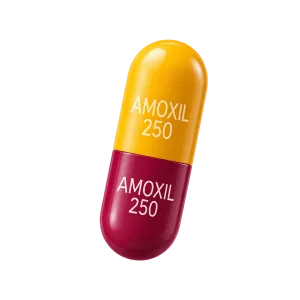
Amoxil

Active ingredient: Amoxicillin
250mg 500mg 1000mg
From $31.27
pills
4.1 (5)

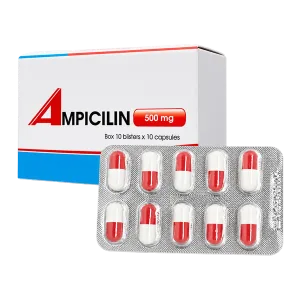
Ampicillin

Active ingredient: Ampicillin
250mg 500mg
From $32.95
pills
3.8 (5)

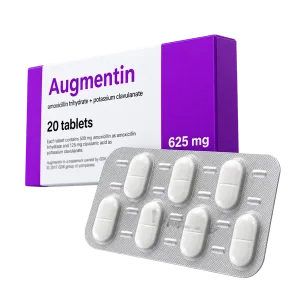
Augmentin

Active ingredient: Amoxicillin, Clavulanic Acid
625mg
From $73.12
pills
4.3 (4)

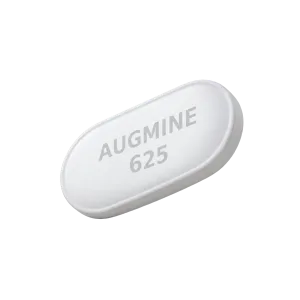
Augmine

Active ingredient: Amoxicillin, Clavulanic Acid
625mg
From $73.12
pills
4.3 (4)

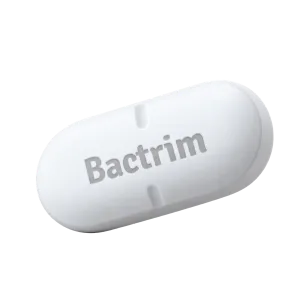
Bactrim

Active ingredient: Sulfamethoxazole, Trimethoprim
480mg 960mg
From $27.80
pills
3.7 (3)

Comparison table: Antibiotics

Common questions

How does Ceftin differ from cephalexin?

Ceftin contains cefuroxime, while cephalexin is a first-generation cephalosporin. Cefuroxime generally has broader activity against certain Gram-negative bacteria, which can make it a suitable choice for selected respiratory or urinary infections. Cephalexin is often used for susceptible skin and soft-tissue infections. FDA prescribing information published in 2011 describes different labeled uses and susceptibility patterns for these agents. The choice should follow the infection site and susceptibility results.

Can Ceftin be taken with antacids or acid-reducing medicines?

Antacids and acid-reducing medicines can lower absorption of cefuroxime axetil by changing stomach acidity. This includes proton-pump inhibitors and H2 blockers, which are often used for reflux or ulcer symptoms. A prescriber should review whether timing changes or a different antibiotic is more suitable. FDA labeling published in 2011 identifies reduced cefuroxime exposure with agents that reduce gastric acidity.

What should happen if Ceftin does not improve the infection?

Contact the prescribing clinician if symptoms are worsening, if fever persists, or if there is no meaningful improvement within the expected review period. A culture, imaging test, repeat examination, or change in antibiotic may be needed because the infection may not be susceptible to cefuroxime. Do not increase the dose or extend treatment without direction. WHO antimicrobial-resistance guidance updated in 2023 supports reassessment rather than unnecessary additional antibiotic use.

What should be discussed before starting Ceftin?

Discuss previous reactions to penicillins, cephalosporins, or other antibiotics in detail. Mention kidney disease, prior C. difficile diarrhea, pregnancy, breastfeeding, and every medicine or supplement you use, including antacids and reflux treatments. The clinician may adjust the regimen or select another treatment based on this information. FDA safety information published in 2011 highlights allergy history and renal function as relevant factors.

Can Ceftin be used during pregnancy or breastfeeding?

Cefuroxime may be used during pregnancy when a clinician judges that treatment is needed. Human experience has not established a clear pattern of birth defects from cefuroxime, though treatment decisions still depend on the infection and available alternatives. Cefuroxime passes into breast milk in small amounts and may occasionally cause loose stools or thrush in a breastfed infant. The EMA’s 2020 product-information standards advise weighing maternal benefit and infant exposure for medicines used while breastfeeding.

Does Ceftin cause diarrhea?

Yes, diarrhea is a recognized side effect of Ceftin and many other antibiotics because they can disrupt normal intestinal bacteria. Mild loose stools may pass, while severe, persistent, bloody, or cramping diarrhea needs medical assessment because it may indicate C. difficile colitis. The CDC’s 2024 clinical information on C. difficile identifies recent antibiotic exposure as a major risk factor. Avoid taking another dose if severe allergy symptoms occur.

How soon does Ceftin begin to work?

Ceftin begins inhibiting susceptible bacteria after absorbed cefuroxime reaches therapeutic concentrations, yet symptom relief takes longer because inflamed tissue needs time to recover. People may notice improvement over the first few days, depending on the infection and its severity. A lack of progress can mean the bacteria are resistant or the illness has another cause. IDSA guidance from 2020 supports follow-up when the clinical response does not fit the expected course.

Do you offer anonymous delivery?

Your order will be securely packed and shipped within 24 hours. This is exactly what your package will look like (images of an actual item sent). It has the size and look of a regular private letter (9.4x4.3x0.3 in.) and its contents cannot be seen.

Customer Feedback on Ceftin

4 Based on 4 reviews
Steven M., 64 Los Angeles
Nov 3, 2026
Rating: 4 out of 5
I took Ceftin after a chest infection had left me coughing through the night. By the fourth day, my cough was much less productive and I could sleep without waking repeatedly. I completed the course as prescribed and felt back to normal by the following week.
Michael, 38 Raleigh
Nov 10, 2026
Rating: 5 out of 5
I used Ceftin for a sinus infection after several days of facial pressure and thick drainage. The pressure eased after a few doses, and I was able to return to work without the constant headache. Taking it after breakfast and dinner fit easily into my routine.
Martin R., 34 Sacramento
Oct 12, 2026
Rating: 5 out of 5
Ceftin was prescribed for an uncomplicated skin infection on my leg. The redness stopped spreading within a few days, and the tenderness gradually faded. I was satisfied with how steadily it improved.
Alan C., 58 Portland
Oct 27, 2026
Rating: 2 out of 5
I started Ceftin for urinary symptoms, but I developed persistent loose stools that became difficult to manage. I stopped after speaking with my doctor, who arranged a different treatment after reviewing the test results.

Sources

  1. Food and Drug Administration (2011). Ceftin (cefuroxime axetil) prescribing information.
  2. Infectious Diseases Society of America (2020). Clinical Practice Guidelines by the Infectious Diseases Society of America, American Academy of Neurology, and American College of Rheumatology: 2020 Guidelines for the Prevention, Diagnosis and Treatment of Lyme Disease.
  3. World Health Organization (2023). WHO AWaRe classification of antibiotics for evaluation and monitoring of use.
  4. National Institute for Health and Care Excellence (2018). Antimicrobial stewardship: systems and processes for effective antimicrobial medicine use.
Get our free app Shop faster and track your orders 4.0 · 378 reviews Install