Skip to content

Black Friday +8 free tablets with every order Nov 19 – Dec 2

Keflex

Keflex

Active ingredient: Cephalexin

4.3 3 reviews In stock Overview
Package

$47.37

$76.21 $94.74 Save 20%

$102.99 $142.11 Save 28%

$123.59 $189.48 Save 35%

$166.85 $284.22 Save 41%

Black Friday +8 free tablets with every order until Dec 2

Delivery: 4-7 business days

Keflex is prescribed for susceptible bacterial infections involving the skin, urinary tract, respiratory tract, ears, bones, and joints. Its active ingredient, cephalexin, damages bacterial cell-wall formation to treat susceptible bacterial infections.

Overview

Keflex is prescribed for susceptible bacterial infections involving the skin, urinary tract, respiratory tract, ears, bones, and joints. Its active ingredient, cephalexin, is a first-generation cephalosporin that damages bacterial cell-wall formation. It does not treat colds, influenza, or other viral illnesses.

Dosage and administration

The amount of Keflex and the number of daily doses depend on the infection being treated, its severity, kidney function, age, and the prescriber’s treatment plan. Use the prescribed dose at the agreed intervals for the complete duration.

  • Swallow the capsule with water.
  • Take each dose at a consistent time.
  • Keflex may be taken with food if it causes stomach discomfort.
  • Do not open, crush, or chew the capsule unless a prescriber has provided a specific alternative.
  • Complete the prescribed course unless a clinician tells you to stop because of an adverse reaction.
  • If a dose is missed, take it when remembered unless the next scheduled dose is close.
  • Do not take two doses together to compensate for a missed dose.
  • If vomiting occurs soon after a dose, contact the prescribing service for specific advice rather than automatically repeating it.

Timing matters. A phone reminder can help when the medicine is prescribed several times daily, since uneven intervals may reduce symptom control.

Write down the time of the last dose if nausea or illness makes the schedule difficult to remember. This prevents accidental double dosing.

Formulation

Keflex contains cephalexin, an antibacterial medicine in the first-generation cephalosporin class. The oral product is supplied as capsules, and cephalexin is absorbed through the gastrointestinal tract before circulating to infected tissues and being cleared mainly by the kidneys. The FDA identifies Keflex for susceptible bacterial infections caused by organisms such as Streptococcus and selected Staphylococcus species [1].

How it affects the body

Cephalexin interferes with the bacterial cell wall, a structure human cells do not possess. It attaches to penicillin-binding proteins and blocks the enzymes needed to build peptidoglycan, the material that gives many bacteria structural strength. The weakened cell wall can rupture as the organism grows.

Cephalexin is bactericidal against susceptible organisms. Its activity is strongest against many Gram-positive bacteria, including streptococci and methicillin-susceptible Staphylococcus aureus. Its coverage is narrower than that of some later-generation cephalosporins and does not include every cause of respiratory, urinary, or skin infection.

The World Health Organization’s antibiotic stewardship principles support matching an antibiotic to the suspected organism and infection site rather than treating symptoms alone [2].

Therapeutic indications

Physicians may prescribe cephalexin for infections such as:

  • Cellulitis and other bacterial skin infections
  • Urinary tract infections
  • Streptococcal throat infections
  • Respiratory tract infections caused by susceptible bacteria
  • Otitis media, meaning a bacterial middle-ear infection
  • Bone infections, including osteomyelitis
  • Certain soft-tissue infections
  • Some dental or wound-related infections when the suspected bacteria are susceptible

The exact choice depends on the infection site, bacterial susceptibility, kidney function, allergy history, and local prescribing guidance. Keflex treats bacteria, not every cause of similar symptoms.

Infection site Typical clinical presentation Role of cephalexin
Skin and soft tissue Redness, warmth, swelling, tenderness, cellulitis Used when likely bacteria are susceptible
Urinary tract Burning urination, urgency, frequency, lower abdominal discomfort May be selected after clinical assessment
Throat, ear, or respiratory tract Sore throat, ear pain, cough, fever Used for selected bacterial infections
Bone or joint Persistent localized pain, swelling, reduced movement Requires medical assessment and longer treatment planning

A useful clinical detail is that improvement in pain or fever does not prove that the infection has fully cleared. Stopping early can leave surviving bacteria behind and may lead to relapse.

Common mistakes

Several practical mistakes reduce the chance of a good outcome:

  • Taking doses only when symptoms feel severe
  • Stopping once fever or pain improves
  • Doubling the next dose after forgetting one
  • Sharing leftover capsules with a family member
  • Saving unused capsules for a later infection
  • Treating a cold, influenza, or viral cough with Keflex
  • Ignoring diarrhea because the original infection is improving
  • Failing to mention kidney disease or a previous beta-lactam allergy
  • Assuming birth control failure is caused directly by cephalexin when vomiting or diarrhea is the actual concern
  • Taking an old anti-diarrheal product for severe watery stools without medical advice

One common error is judging success by the first twenty-four hours. Skin infections often improve gradually, and the visible redness can lag behind the reduction in bacterial activity.

Another is taking every missed dose close together. This raises the chance of nausea and does not reliably restore the intended dosing interval.

Do not use leftover Keflex for a new sore throat, cough, or skin rash. The cause may differ, and an unsuitable antibiotic can delay the correct diagnosis.

Reasons not to use it

Keflex is not suitable for a person with a previous severe allergic reaction to cephalexin or another cephalosporin. Extra caution is needed when there has been a serious immediate reaction to penicillin, such as anaphylaxis, because allergic reactions between beta-lactam antibiotics can occur.

The prescriber should know about:

  • Previous drug allergy, including penicillin or cephalosporin allergy
  • Kidney disease or reduced kidney function
  • A history of antibiotic-associated colitis
  • Pregnancy or breastfeeding
  • Recurrent infections or recent antibiotic exposure
  • Current medicines, including metformin and anticoagulants
  • Severe gastrointestinal disease

Kidney impairment can slow cephalexin elimination and may require a different schedule. Older adults are more likely to have reduced renal function without obvious symptoms, so kidney assessment may influence the plan.

Cephalexin does not generally deactivate hormonal birth control through liver-enzyme induction. Vomiting or severe diarrhea can reduce absorption of an oral contraceptive, so additional contraceptive measures may be needed during significant gastrointestinal illness according to contraceptive guidance.

Metformin deserves specific attention. Cephalexin can increase metformin exposure in pharmacokinetic studies, with the greatest concern in people who have impaired kidney function. Changes in blood glucose, nausea, diarrhea, or unusual weakness should be reported, and glucose monitoring may need adjustment.

Probenecid can reduce renal elimination of cephalexin and increase antibiotic exposure. Tell the prescriber about it before treatment begins. The FDA product information also lists the possibility of a false-positive urine test for glucose with some older testing methods .

A complete medication list should include nonprescription pain relievers, diabetes medicines, supplements, and recent antibiotics. The interaction that matters may involve kidney function rather than a dramatic symptom.


When this is not for you

Keflex is not for you if you have had a severe allergic reaction to cephalexin or another cephalosporin.

Possible side effects

The most common problems with cephalexin involve the digestive system. Diarrhea, nausea, abdominal discomfort, and vomiting can occur. Mild symptoms may settle during treatment, while persistent or severe symptoms require clinical advice. The severity and duration help guide the next step. Contact the prescriber promptly when symptoms worsen or prevent adequate fluid intake.

Reaction pattern What it may mean Action
Mild nausea or loose stools Common digestive intolerance Maintain fluids and contact the prescriber if symptoms persist
Severe or persistent diarrhea Possible antibiotic-associated colitis Stop self-treatment decisions and obtain prompt medical advice
Hives, facial swelling, wheezing, or throat tightness Possible immediate allergy Seek emergency care
Confusion, marked weakness, or unusual bleeding Possible serious complication or another illness Obtain urgent medical assessment

Cephalexin can rarely cause serious hypersensitivity, including anaphylaxis. A person who develops hives with intense itching, swelling of the lips or tongue, breathing difficulty, faintness, or rapidly spreading rash needs emergency care.

Antibiotic-associated diarrhea can appear during treatment or after the course has ended. Watery or bloody stools, strong abdominal cramping, fever, or diarrhea that continues should be assessed promptly because Clostridioides difficile colitis is possible. Do not use anti-diarrheal medicine for severe diarrhea without medical advice.

Dizziness can occur, although it is not among the most characteristic reactions. Until the response is known, avoid driving or operating machinery if dizziness or weakness develops.

One practical detail is easy to miss: a small amount of loose stool is different from repeated watery diarrhea. The latter deserves attention, even when the skin infection or urinary symptoms are improving.

Comparison

Antibiotic option Main distinction Common clinical role
Cephalexin First-generation cephalosporin Skin, soft-tissue, selected urinary, throat, ear, and bone infections
Amoxicillin Penicillin antibiotic Susceptible throat, dental, respiratory, and other infections
Amoxicillin-clavulanate Penicillin plus beta-lactamase inhibitor Infections where beta-lactamase-producing bacteria are a concern
Trimethoprim-sulfamethoxazole Folate-pathway inhibition Selected skin or urinary infections, guided by susceptibility
Azithromycin Macrolide that inhibits bacterial protein synthesis Selected respiratory infections or specific beta-lactam allergy situations
Clindamycin Lincosamide that inhibits protein synthesis Selected skin, dental, bone, or anaerobic infections

Amoxicillin may be preferred when the suspected organism is reliably susceptible and a penicillin is appropriate. Amoxicillin-clavulanate provides broader beta-lactamase coverage but may cause more gastrointestinal upset. Trimethoprim-sulfamethoxazole has different kidney, potassium, allergy, and blood-related precautions.

Azithromycin can be useful for selected respiratory pathogens, though resistance patterns limit its value in some infections. Clindamycin reaches bone and tissue well but carries a recognized risk of antibiotic-associated diarrhea. Keflex may be a practical choice for susceptible Gram-positive infections, while its limitations become more relevant when resistant organisms or unusual pathogens are suspected.

What doctors say

In clinical practice, prescribers usually judge Keflex by three factors: whether the infection pattern fits susceptible bacteria, whether the patient can take the medicine reliably, and whether kidney function supports the planned regimen. A red, tender area of cellulitis that expands despite treatment needs review rather than an automatic extra supply.

Doctors also distinguish a slow response from treatment failure. Fever may improve before swelling disappears, while urinary burning may take some time to settle. Worsening pain, new fever, spreading redness, confusion, or reduced urine output indicates a need for prompt reassessment.

The European Medicines Agency promotes responsible antibiotic use and careful selection of treatment according to clinical need [3]. A physician may change the antibiotic when a culture identifies resistance, when an allergy appears, or when the original diagnosis turns out to be viral or inflammatory.

Patients sometimes expect an antibiotic to remove every symptom immediately. That expectation can lead to unnecessary repeat dosing. Keflex works against susceptible bacteria; it does not directly treat inflammation, viral congestion, or pain from a noninfectious cause.

Comparison

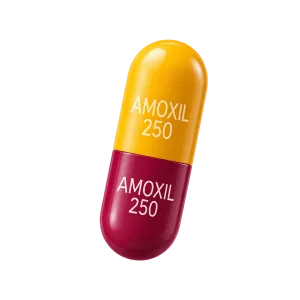
Amoxil

Active ingredient: Amoxicillin
250mg 500mg 1000mg
From $31.27
pills
4.1 (5)

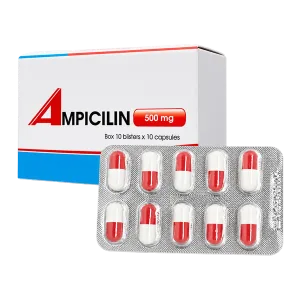
Ampicillin

Active ingredient: Ampicillin
250mg 500mg
From $32.95
pills
3.8 (5)

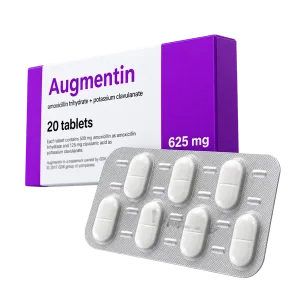
Augmentin

Active ingredient: Amoxicillin, Clavulanic Acid
625mg
From $73.12
pills
4.3 (4)

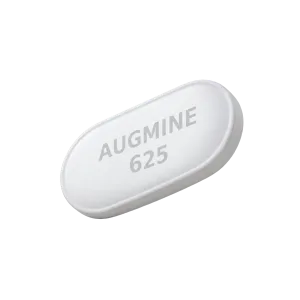
Augmine

Active ingredient: Amoxicillin, Clavulanic Acid
625mg
From $73.12
pills
4.3 (4)

Bactrim

Active ingredient: Sulfamethoxazole, Trimethoprim
480mg 960mg
From $27.80
pills
3.7 (3)

Comparison table: Antibiotics

Common questions

Which symptoms mean stopping Keflex and seeking urgent medical care?

Facial or tongue swelling, breathing difficulty, faintness, widespread hives, or rapidly worsening itching can indicate a serious allergic reaction and require emergency care. Severe watery or bloody diarrhea, intense abdominal pain, or fever during or after treatment also needs prompt assessment because antibiotic-associated colitis is possible. The FDA's 2020 KEFLEX prescribing information describes hypersensitivity reactions as a reason for immediate clinical action. Do not take another dose after a suspected severe allergy unless an emergency clinician gives a clear instruction.

Can anyone under 18 use Keflex?

Cephalexin is used in children and adolescents when a clinician selects it for a susceptible bacterial infection. The dose is based on body weight, infection type, severity, kidney function, and the child’s ability to swallow the prescribed form. Pediatric use should follow a clinician’s calculation rather than an adult capsule schedule. The WHO’s antibiotic guidance, referenced in 2025 stewardship materials, supports age-appropriate selection and dosing based on the infection rather than treating viral symptoms .

Is Keflex suitable for older adults?

Older adults may use cephalexin when it is clinically appropriate, but kidney function deserves attention because renal clearance commonly declines with age. A prescriber may adjust the dosing interval when kidney filtration is reduced. Older patients also have a greater risk of dehydration, antibiotic-associated diarrhea, and complications from interacting medicines. Geriatric prescribing principles used by the FDA and EMA in 2025 support reviewing renal function and the full medication list before treatment.

What should happen after a missed dose?

Take the missed dose when remembered unless the next scheduled dose is near; in that situation, skip the missed dose and return to the planned schedule. Never take two doses together to compensate. If several doses were missed, contact the prescribing service because the infection may need reassessment rather than an improvised extension. The FDA's 2020 KEFLEX prescribing information supports consistent administration and avoidance of unnecessary dose doubling.

Can Keflex be combined with metformin?

Cephalexin can be used with metformin in some patients, but the combination deserves attention to kidney function, blood glucose, and gastrointestinal symptoms. Pharmacokinetic data described in the FDA product information show increased metformin exposure when given with cephalexin. A person taking both should report unusual weakness, repeated vomiting, severe diarrhea, or unexpected glucose changes. Clinical guidance reviewed by the EMA in 2025 supports medication review when renal clearance affects more than one treatment.

Do you offer anonymous delivery?

Your order will be securely packed and shipped within 24 hours. This is exactly what your package will look like (images of an actual item sent). It has the size and look of a regular private letter (9.4x4.3x0.3 in.) and its contents cannot be seen.

Customer Feedback on Keflex

4.3 Based on 3 reviews
Ben, 48 Cleveland
Nov 18, 2026
Rating: 5 out of 5
I took Keflex for a skin infection and noticed the tenderness started easing after several days. The redness stopped spreading, and I was satisfied that the treatment helped me return to normal activity. I took the prescribed dose for the full course.
Ruth, 64 Miami
Nov 13, 2026
Rating: 5 out of 5
I used Keflex for a urinary infection and found that the burning and urgency became much easier to manage during the course. I kept the doses with my regular morning and evening routine, which made the schedule straightforward. I took the prescribed dose for the full course.
Helen, 54 Chicago
Oct 20, 2026
Rating: 3 out of 5
Keflex helped my infection, but the improvement was slower than I expected and I had mild nausea for part of the course. I managed to continue taking it, although the stomach symptoms made the treatment less convenient. I took the prescribed dose for the full course.

Sources

  1. U.S. Food and Drug Administration (2020). KEFLEX (cephalexin) capsules, prescribing information.
  2. World Health Organization (2023). The WHO AWaRe Antibiotic Book: Antibiotic Treatment Guidance for Common Infections.
  3. European Medicines Agency (2023). Antimicrobial resistance: responsible use of antibiotics.
Get our free app Shop faster and track your orders 4.0 · 378 reviews Install