- Worldwide Delivery
- Quality Guaranteed
- Bonus pills
- 24/7 Support
Its active ingredient, levofloxacin, blocks bacterial DNA enzymes, stopping susceptible bacteria from multiplying. It is reserved for infections where its fluoroquinolone activity is clinically appropriate.
Overview
Levaquin is taken by mouth and is prescribed for selected bacterial infections, including pneumonia, urinary tract infections, and certain skin infections.
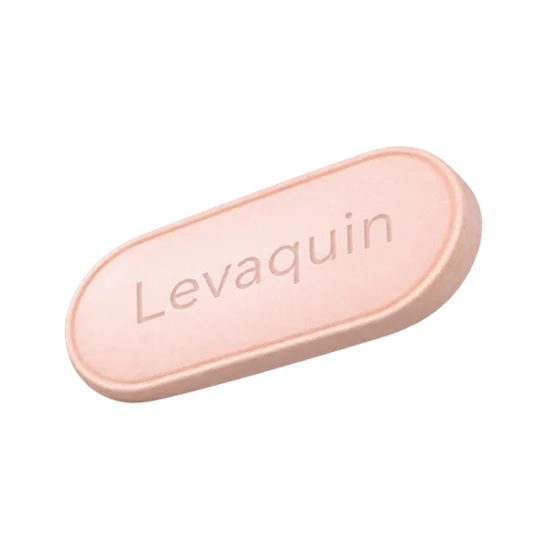
Levaquin contains levofloxacin, a broad-spectrum quinolone antibiotic in the fluoroquinolone class.
Dosage and administration
- Take Levaquin by mouth with a full glass of water.
- Take the amount per intake prescribed for the individual; no single fixed dose in mg or mL applies to every person.
- Follow the prescribed frequency, which is set individually for the infection and patient.
- Follow the prescribed timing in relation to meals and time of day.
- Complete the prescribed duration, which is set individually for the infection and patient.
- Separate Levaquin from antacids and mineral supplements as directed in the prescription instructions.
- If a dose is missed, take it when remembered unless the next scheduled dose is near; skip it in that situation and do not take two doses together.
- Reduced kidney function may require a lower amount per intake or a longer interval between doses.
Formulation
Levaquin contains levofloxacin, a broad-spectrum quinolone antibiotic in the fluoroquinolone class. It is a prescription antibacterial medicine for adults with susceptible bacterial infections. Levofloxacin is the active pharmaceutical ingredient responsible for the drug’s antibacterial activity.
The oral form is absorbed into the bloodstream and distributed through several tissues, including the lungs, urinary tract, prostate, skin, and soft tissues. The FDA prescribing information lists oral levofloxacin among the dosage forms used for systemic treatment of susceptible bacterial infections [1].
Levaquin is not an antiviral or antifungal treatment. It does not treat illnesses caused by influenza viruses, common cold viruses, or other non-bacterial pathogens.
Active Ingredient and Formulation
The composition centers on levofloxacin, which belongs to the fluoroquinolone antibiotic family. Related medicines in this family include other fluoroquinolones, but their approved uses and bacterial coverage are not identical.
The prescribed amount is individualized. Kidney function, infection site, bacterial susceptibility, age, and the severity of illness can all affect the regimen.
How it affects the body
Levofloxacin is bactericidal, meaning it can kill susceptible bacteria rather than merely slowing their growth. It acts on two bacterial type II topoisomerases: DNA gyrase and topoisomerase IV.
These enzymes control the coiling, separation, copying, and repair of bacterial DNA. Levofloxacin interferes with their normal activity. The resulting DNA damage prevents bacterial replication and essential repair processes, leading to bacterial cell death.
Human cells use different enzymes for these functions, which gives fluoroquinolones selective antibacterial activity.
The European Medicines Agency has described important restrictions and safety warnings for systemic fluoroquinolones, including levofloxacin, because some disabling reactions can persist after treatment ends [3].
Therapeutic indications
Levaquin is used for selected infections caused by susceptible bacteria. The FDA label includes respiratory, urinary, skin, prostate, and post-exposure indications. A culture and susceptibility test can help identify whether the infecting organism is likely to respond.
Respiratory uses may include:
- Community-acquired pneumonia.
- Certain cases of nosocomial pneumonia.
- Acute bacterial sinusitis.
- Acute bacterial exacerbations of chronic bronchitis.
Urinary and pelvic uses may include:
- Complicated urinary tract infections.
- Acute pyelonephritis, which is a bacterial kidney infection.
- Uncomplicated urinary tract infections when other options are unsuitable.
- Chronic bacterial prostatitis.
Other approved uses include selected skin and soft-tissue infections, post-exposure inhalational anthrax, and plague caused by susceptible organisms. Levaquin may be considered for serious infections when the likely bacteria, resistance pattern, patient history, and available alternatives support its use.
A respiratory infection with fever, cough, and breathlessness is not automatically bacterial. Antibiotics do not shorten most viral respiratory illnesses. Unnecessary fluoroquinolone exposure can create avoidable adverse-effect risk and contributes to antimicrobial resistance.
The World Health Organization’s antimicrobial-resistance guidance places fluoroquinolones among antibiotic groups that require careful stewardship because resistance can limit treatment choices [2]. The Infectious Diseases Society of America (IDSA) also uses infection site, susceptibility, and patient risk factors to guide antibiotic selection.
Common mistakes
Several practical errors can reduce treatment reliability or increase avoidable risk:
- Taking the dose at the same time as an aluminum, magnesium, iron, zinc, or calcium product.
- Exercising intensely despite new tendon pain.
- Treating diarrhea with self-selected anti-diarrheal medicine when it is severe, persistent, or bloody.
- Stopping as soon as fever improves without a prescriber’s instruction.
- Doubling the next dose after forgetting one.
- Driving after dizziness, blurred vision, confusion, or unusual drowsiness develops.
- Failing to mention warfarin, corticosteroids, diabetes treatment, or heart-rhythm medicines.
- Assuming a cough, sore throat, or sinus symptom proves a bacterial infection.
- Taking leftover antibiotics for a new illness.
Alcohol does not directly neutralize levofloxacin, yet drinking can worsen dizziness, impaired concentration, nausea, or poor judgment. Avoid alcohol if any of these symptoms occur.
Reasons not to use it
The prescribed treatment should be reconsidered when a patient has a previous serious reaction to levofloxacin or another quinolone antibiotic.
Kidney disease matters because levofloxacin is cleared mainly through the kidneys. Reduced kidney function can increase drug exposure and may require a lower amount or a longer interval between doses. Liver disease usually has less effect on levofloxacin clearance than kidney disease, but severe illness, multiple medicines, or combined kidney and liver impairment still require careful review.
Important interactions include:
- Antacids: Aluminum- or magnesium-containing antacids can bind levofloxacin in the gut and reduce absorption.
- Mineral supplements: Iron, zinc, calcium, and magnesium supplements can also reduce absorption.
- Warfarin: Levofloxacin may increase anticoagulant effects in some patients. International normalized ratio monitoring may be needed during and after treatment.
- Medicines affecting heart rhythm: Combining several QT-prolonging medicines can increase the risk of an abnormal rhythm.
- Corticosteroids: Systemic steroids increase concern about tendon injury.
- Nonsteroidal anti-inflammatory drugs: The combination may increase central nervous system stimulation or seizure risk in susceptible patients.
- Diabetes medicines: Blood glucose can change unexpectedly.
When this is not for you
This medication is not for you if you have:
- A previous serious allergic reaction to levofloxacin, ciprofloxacin, moxifloxacin, or another quinolone.
- Previous fluoroquinolone-associated tendon rupture or severe tendon inflammation.
- A history of severe fluoroquinolone-related peripheral neuropathy.
- Myasthenia gravis unless a specialist has specifically assessed the risk.
- A condition that makes a significant heart-rhythm effect unsafe.
- A seizure disorder or major neurological disease without individualized medical review.
Tell the prescriber about warfarin, prednisone, seizure medicines, insulin, diabetes tablets, heart-rhythm medicines, and mineral supplements before treatment begins. The interaction may depend on the full medication list rather than one product alone.
Possible side effects
Common reactions can include nausea, diarrhea, headache, dizziness, insomnia, and abdominal discomfort. Some people experience changes in taste or mild skin sensitivity. Many reactions are temporary, but a symptom that is severe, rapidly worsening, or unusual for the patient requires prompt medical assessment.
Clinical trial and post-marketing data identify several serious reactions that deserve specific attention:
| Reaction group | Warning signs |
|---|---|
| Tendon injury | New pain, swelling, stiffness, or a snapping sensation in the Achilles tendon, shoulder, hand, or other tendon |
| Nerve or central nervous system effects | Burning, tingling, numbness, weakness, severe dizziness, confusion, hallucinations, or seizures |
| Heart rhythm effects | Fainting, racing heartbeat, or an irregular heartbeat, especially with other QT-prolonging medicines |
| Severe allergy or skin reaction | Facial swelling, breathing difficulty, blistering rash, or extensive skin peeling |
| Severe diarrhea | Persistent watery or bloody diarrhea during treatment or afterward |
Stop strenuous exercise and seek urgent medical advice if tendon pain or swelling develops. Tendon rupture can occur during treatment or after the course has ended, with higher risk in older adults, people using systemic corticosteroids, transplant recipients, and people with previous tendon disorders.
Peripheral neuropathy may begin quickly. A common patient mistake is to wait for numbness or burning to become severe before reporting it. Early recognition matters because nerve symptoms can persist.
Levaquin can also worsen muscle weakness in people with myasthenia gravis. Seizures are uncommon, yet the risk is more concerning in people with a seizure disorder, previous central nervous system disease, severe kidney impairment, or medicines that lower the seizure threshold.
Diabetes treatment may require closer glucose monitoring because fluoroquinolones can cause either low or high blood glucose. People with a history of aortic aneurysm or major vascular disease should discuss the risk profile before treatment because regulatory warnings describe rare vascular complications.

Comparison
Antibiotic selection depends on the infection site, bacterial culture, resistance patterns, allergies, kidney function, pregnancy status, and previous treatment history. A broader spectrum does not automatically make an antibiotic the best choice.
| Antibiotic approach | Typical clinical positioning |
|---|---|
| Levofloxacin | Selected respiratory, urinary, prostate, skin, and post-exposure infections when fluoroquinolone treatment is justified |
| Ciprofloxacin or moxifloxacin | Other fluoroquinolones with different tissue distribution, bacterial coverage, and approved indications |
| Amoxicillin/clavulanate, cephalexin, or other beta-lactams | Many respiratory, skin, dental, and urinary infections when the bacteria are susceptible |
| Azithromycin or doxycycline | Selected respiratory and atypical bacterial infections, depending on local resistance and patient factors |
| Nitrofurantoin or trimethoprim-sulfamethoxazole | Selected uncomplicated urinary infections when kidney function and susceptibility support their use |
Levofloxacin may reach tissues that are difficult to treat with some alternatives, including the prostate and lower respiratory tract. Its limitations include the possibility of serious tendon, nerve, central nervous system, glucose, and cardiac reactions. For uncomplicated infections, a narrower antibiotic may expose the patient to less collateral risk when it is clinically suitable.
Ciprofloxacin has strong activity against several gram-negative organisms but is not interchangeable with levofloxacin for every respiratory infection. Moxifloxacin has useful respiratory activity but is not generally selected for urinary infections because urinary concentrations are less suitable. Beta-lactams, macrolides, tetracyclines, and urinary-specific antibiotics each occupy different clinical roles.
A prescriber may change treatment after culture results become available. That step is called de-escalation: moving from a broad initial option to a narrower antibiotic that reliably covers the identified organism.
What doctors say
In clinical practice, physicians usually reserve systemic fluoroquinolones for situations where the expected benefit justifies their distinctive safety profile. The decision is not based only on the presence of fever or a positive symptom checklist. It also considers the likely pathogen, local resistance, previous antibiotic exposure, kidney function, tendon history, and competing treatments.
A physician would usually expect the patient to take the course exactly as prescribed and report tendon pain, tingling, severe dizziness, confusion, palpitations, or intense diarrhea promptly. A patient who feels better after two doses should not independently shorten treatment, because symptom improvement can occur before the bacterial infection is fully controlled.
Levofloxacin may be unsuitable even when it is active against the suspected bacteria. A recent tendon injury, systemic corticosteroid use, prolonged QT interval, seizure history, or significant kidney impairment can shift the balance toward another antibiotic.
The FDA class labeling for fluoroquinolones emphasizes that some reactions involving tendons, nerves, and the central nervous system can be serious and potentially prolonged [4].
Comparison
Common questions
How does Levaquin differ from ciprofloxacin?
Levaquin contains levofloxacin, while ciprofloxacin contains ciprofloxacin; both are fluoroquinolones but their bacterial coverage and approved uses differ. The FDA labeling in 2024 continued to distinguish respiratory indications for levofloxacin from the more pronounced gram-negative positioning of ciprofloxacin. A prescriber selects between them according to infection site, susceptibility, kidney function, and safety risks. Neither drug should be substituted for the other without a new prescription.
Can Levaquin affect driving, concentration, or machinery work?
Dizziness, blurred vision, tremor, confusion, insomnia, or other central nervous system effects can impair driving and machinery work. The FDA fluoroquinolone safety information available in 2025 continues to describe these reactions as clinically relevant. Do not drive or operate machinery until you know how Levaquin affects your alertness and coordination. Severe confusion, hallucinations, or a seizure requires urgent medical attention.
What happens when Levaquin is stopped, and does it require tapering?
Levaquin is an antibiotic, not a corticosteroid or antidepressant, so it is not usually tapered. The FDA label in 2024 advised completing the prescribed regimen unless a serious reaction requires discontinuation and urgent medical review. Stopping early may leave the infection incompletely treated, while continuing after a serious tendon, nerve, allergy, or neurological reaction may be unsafe. A missed dose is handled by resuming the schedule without doubling.
Can alcohol be used during Levaquin treatment?
Alcohol does not create the classic enzyme reaction associated with some other antibiotics, but it can intensify nausea, dizziness, sleep disturbance, and impaired judgment. The National Institute on Alcohol Abuse and Alcoholism’s 2025 medication-safety information supports caution when alcohol may worsen medicine-related impairment. Avoid alcohol if you feel dizzy, confused, unusually sleepy, or unwell. Extra caution is needed when driving, working at height, or using machinery.
How long does one dose of Levaquin keep working?
Levofloxacin remains active in the body long enough for many regimens to use once-daily administration, but the interval is determined by the infection and kidney function. Pharmacokinetic information reviewed by the FDA in 2024 shows that reduced kidney clearance can prolong exposure and require adjustment. One dose does not instantly remove symptoms or guarantee that all bacteria have been eliminated. Continue the prescribed schedule unless a clinician instructs you to stop because of a specific adverse reaction.
Do you offer anonymous delivery?
Your order will be securely packed and shipped within 24 hours. This is exactly what your package will look like (images of an actual item sent). It has the size and look of a regular private letter (9.4x4.3x0.3 in.) and its contents cannot be seen.
Customer Feedback on Levaquin
Sources
- U.S. Food and Drug Administration (2016). Levaquin (levofloxacin) Prescribing Information
- World Health Organization (2023). The WHO AWaRe Antibiotic Book: Essential Information on Selected Antibiotics
- European Medicines Agency (2019). Quinolone- and fluoroquinolone-containing medicinal products: referral procedure
- U.S. Food and Drug Administration (2018). Fluoroquinolone Antibacterial Drugs: Drug Safety Communication